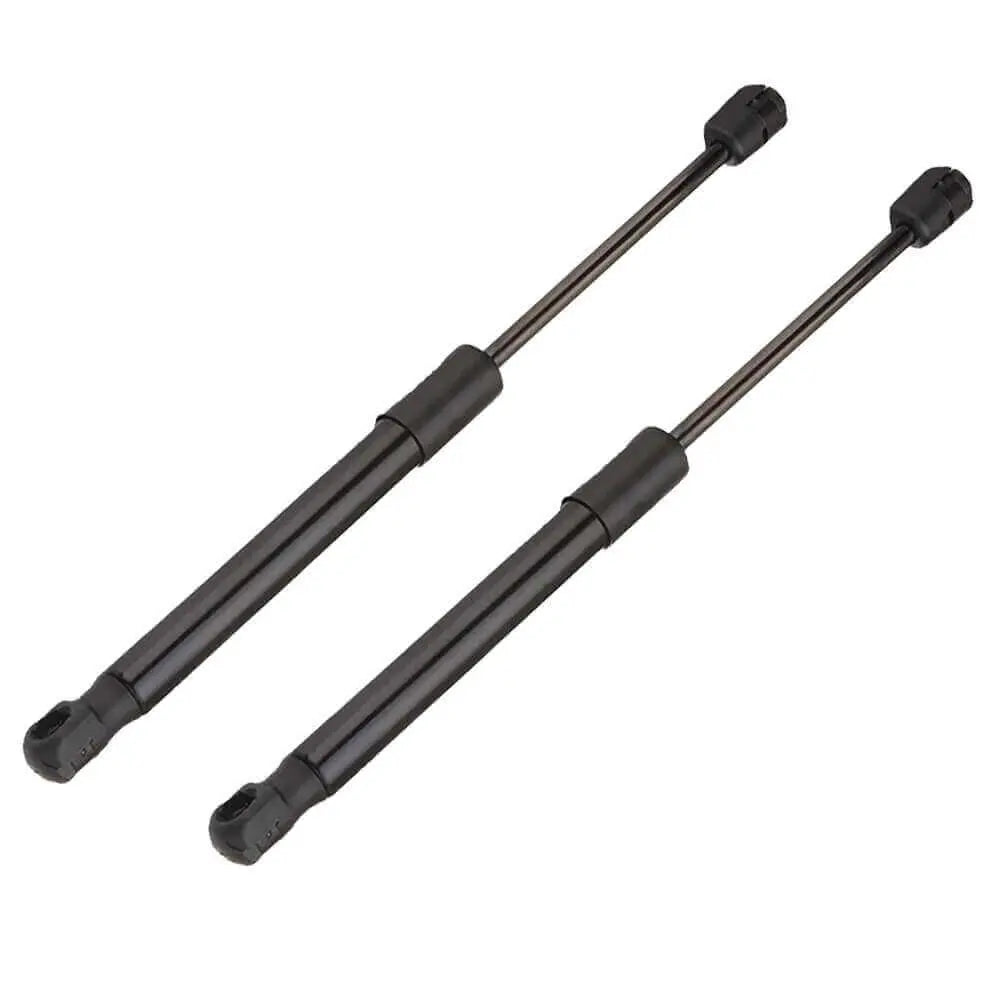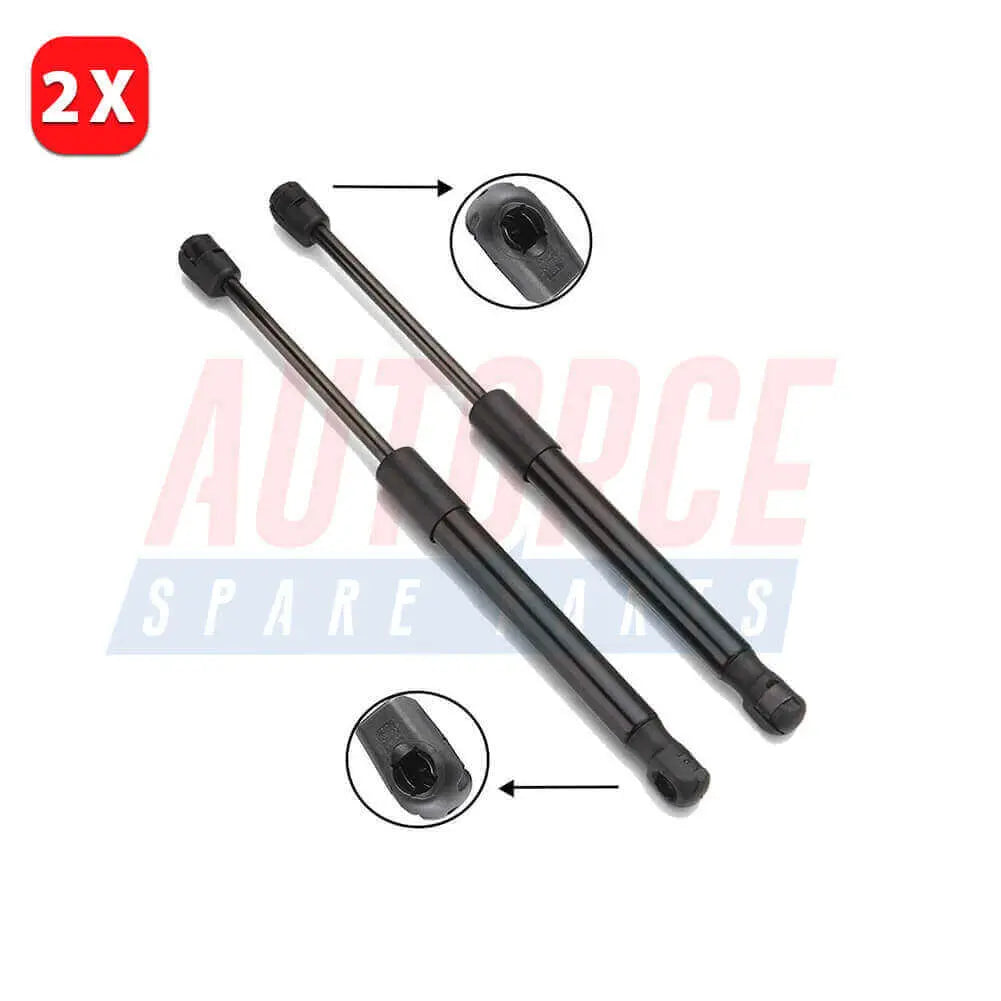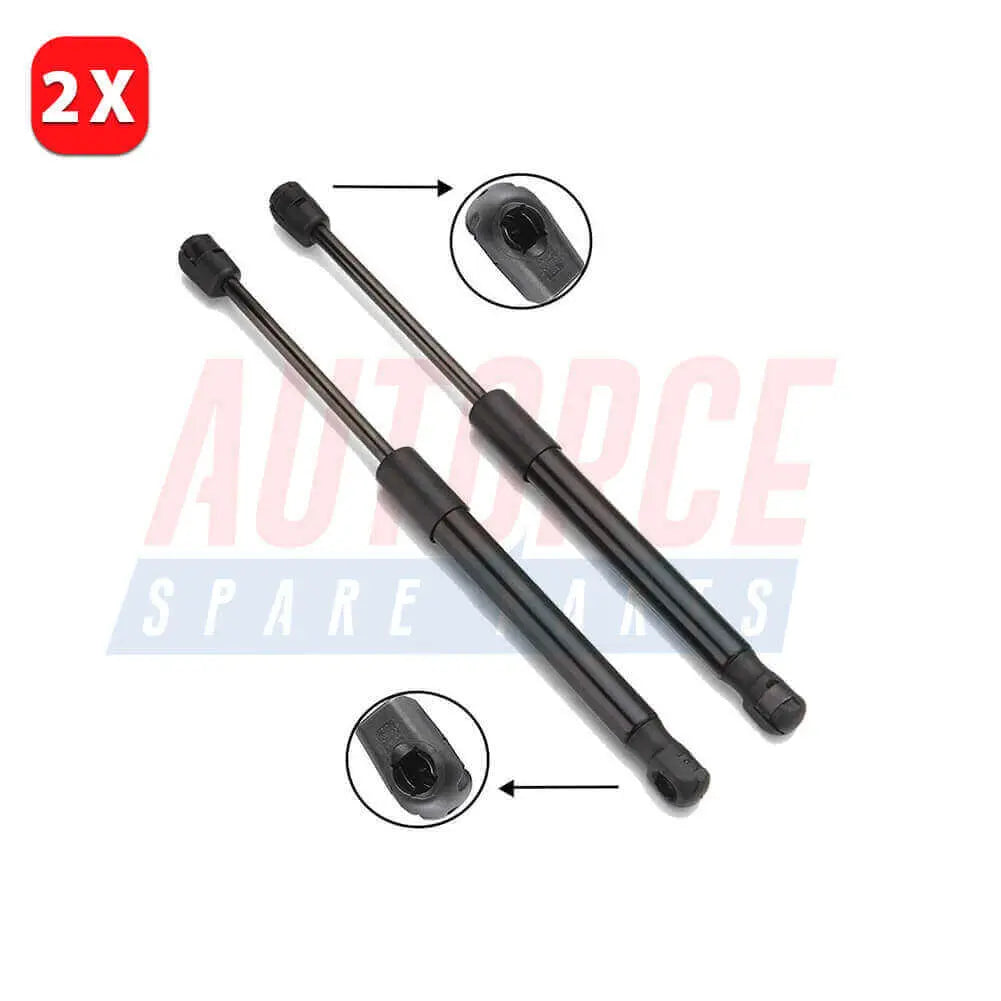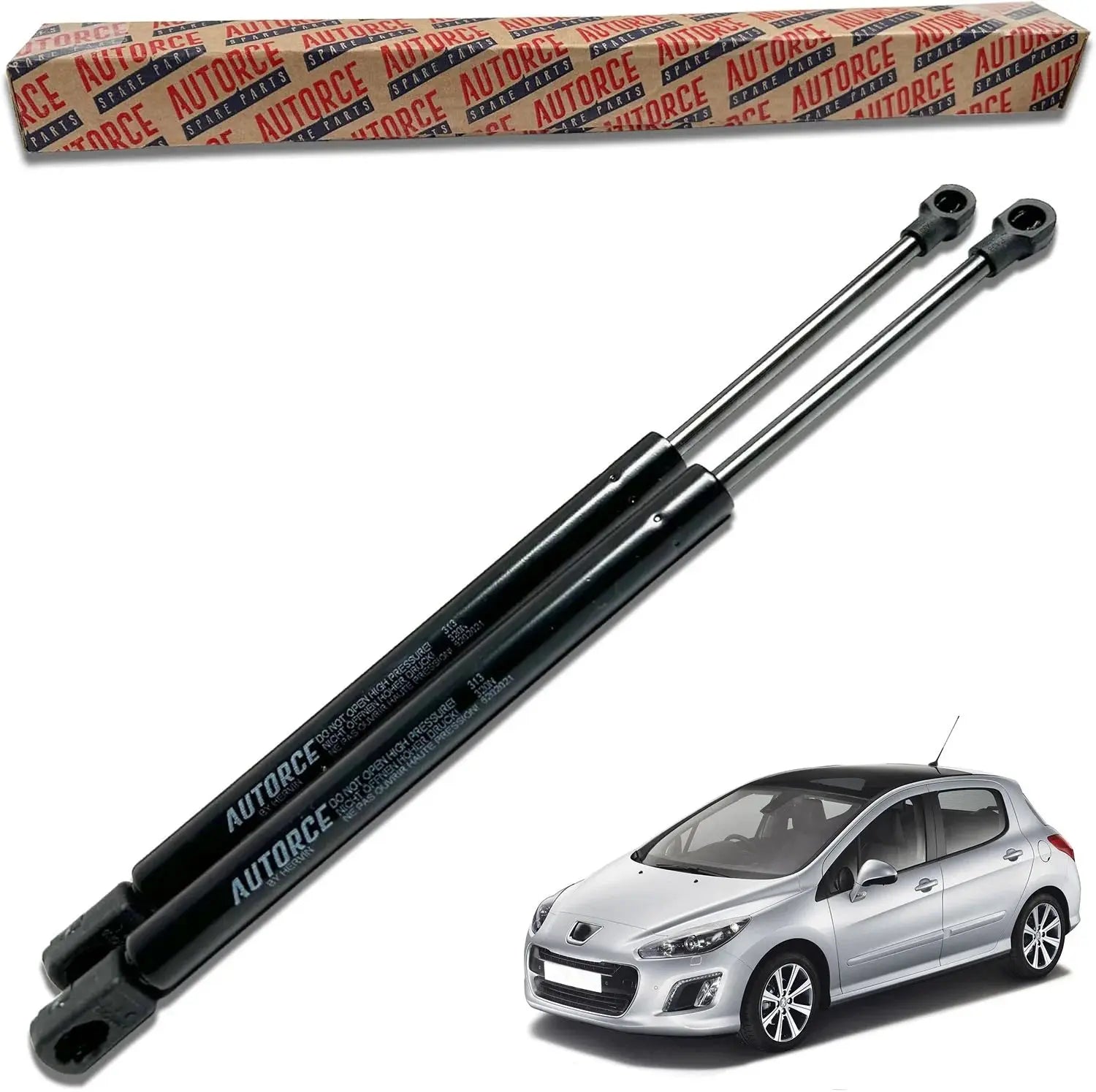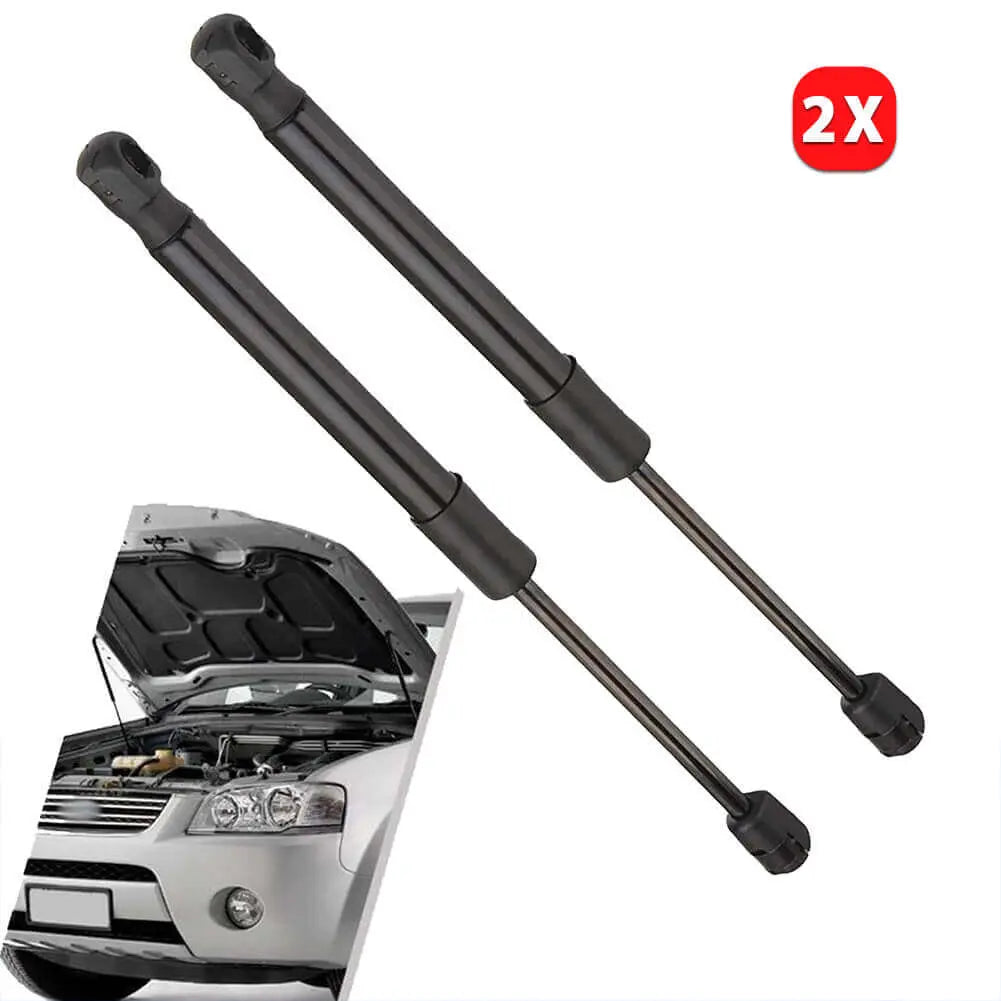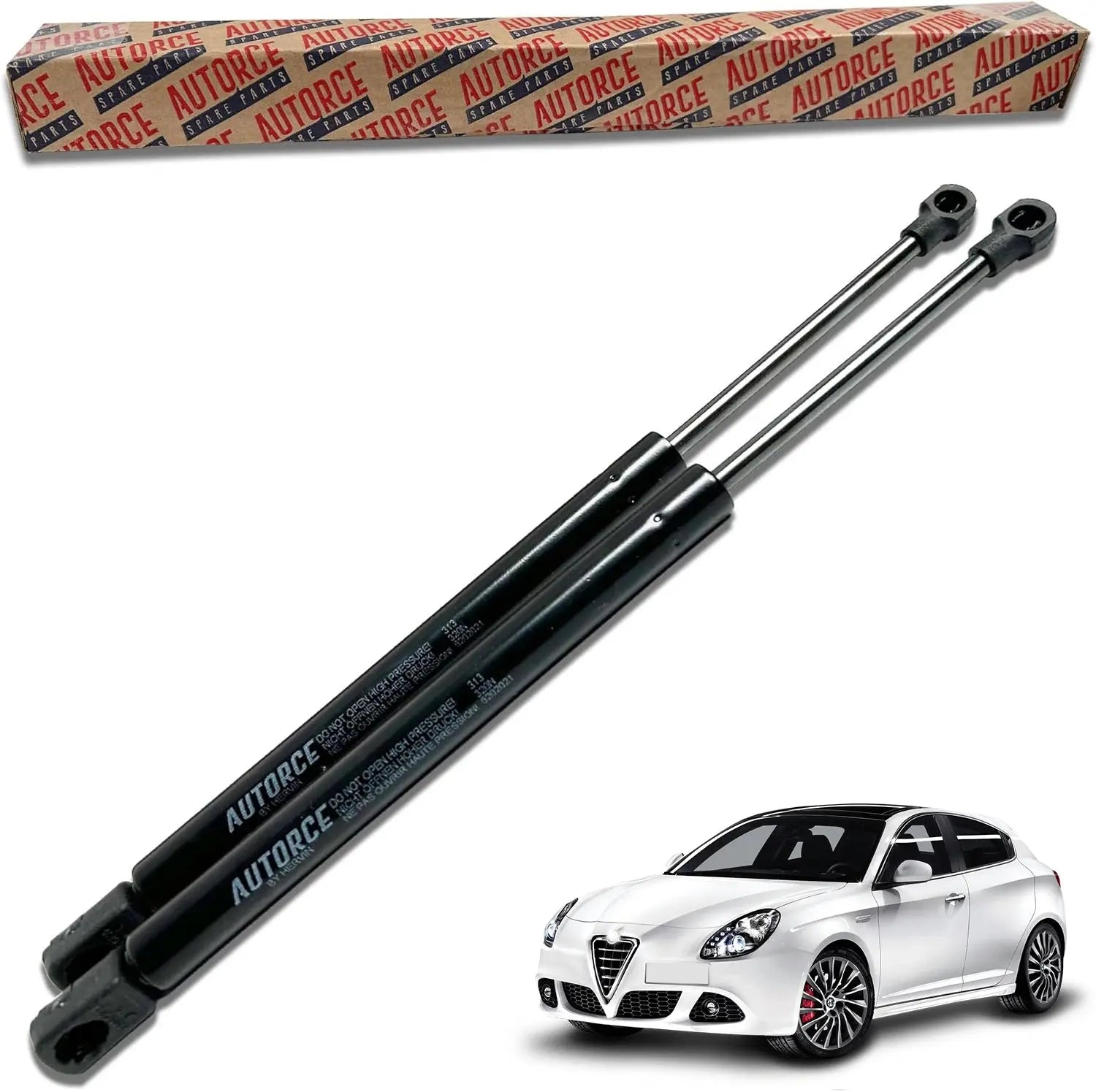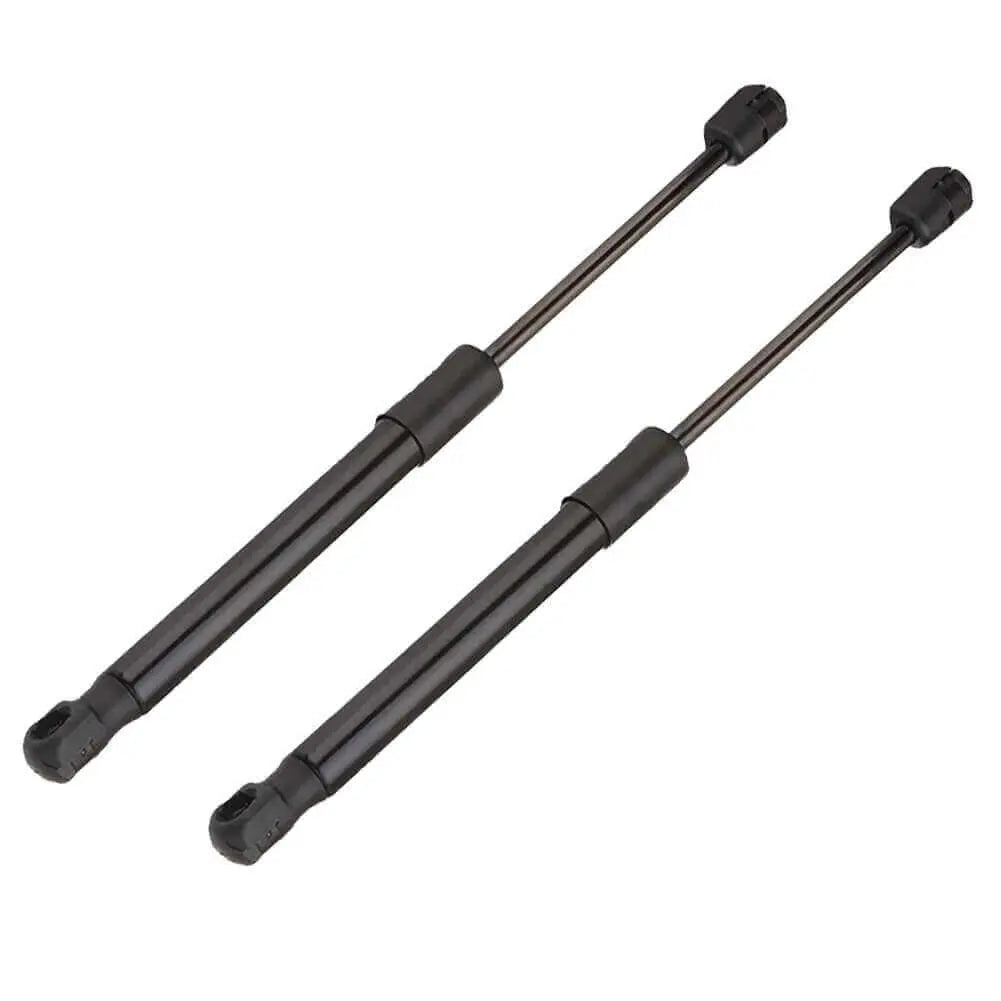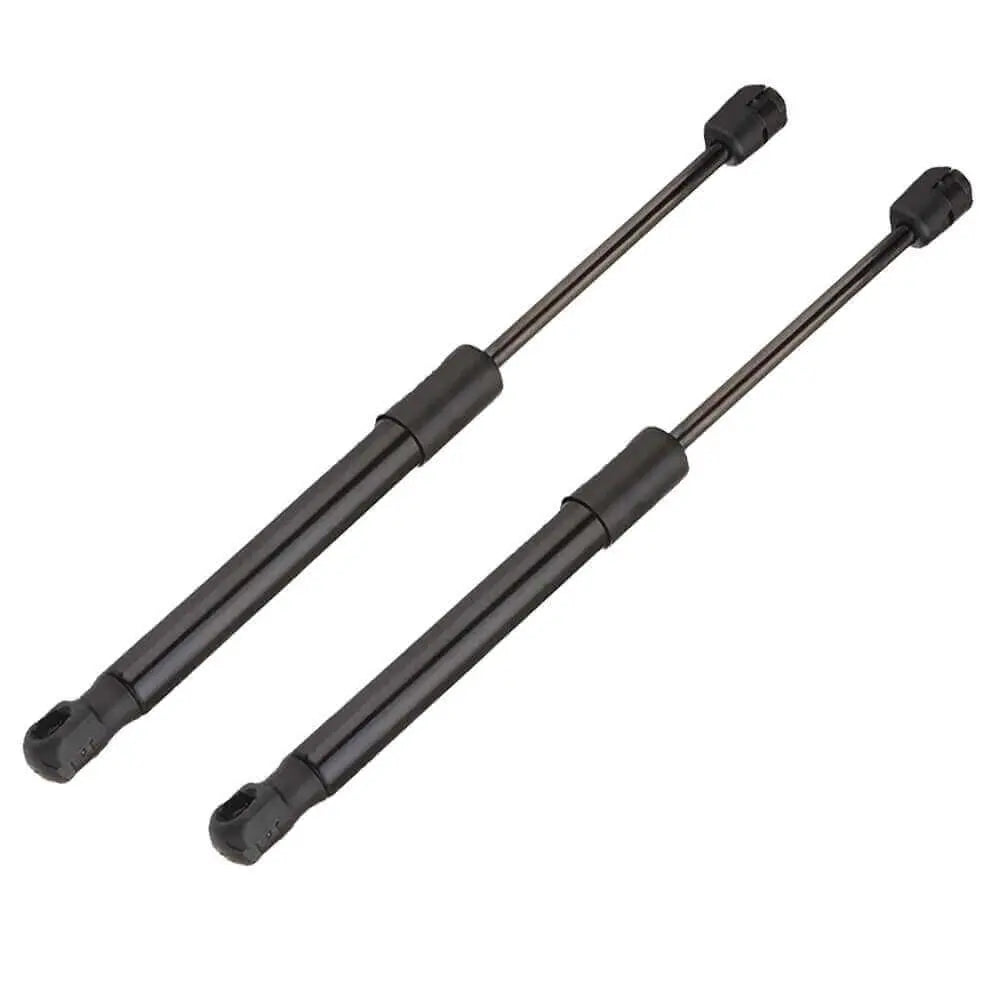
Shop by Category
Gas springs
265 products
Showing 49 - 72 of 265 products
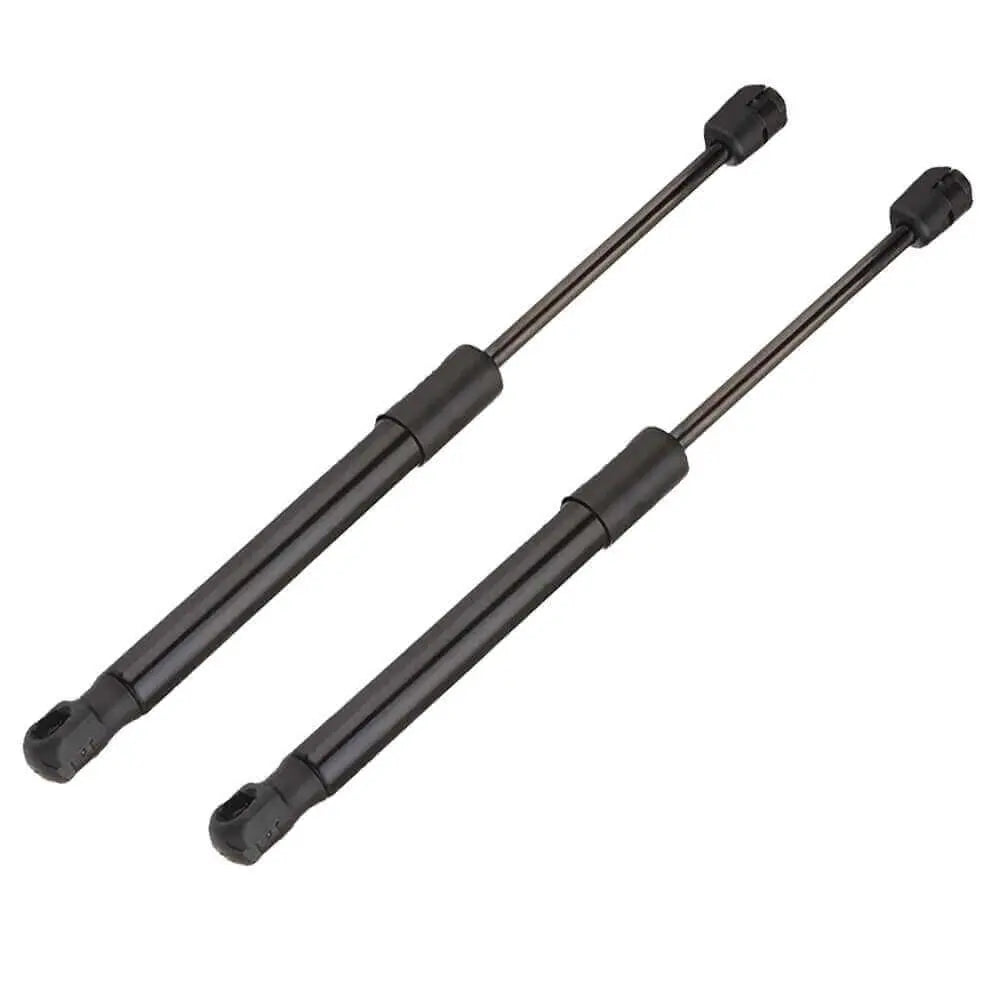
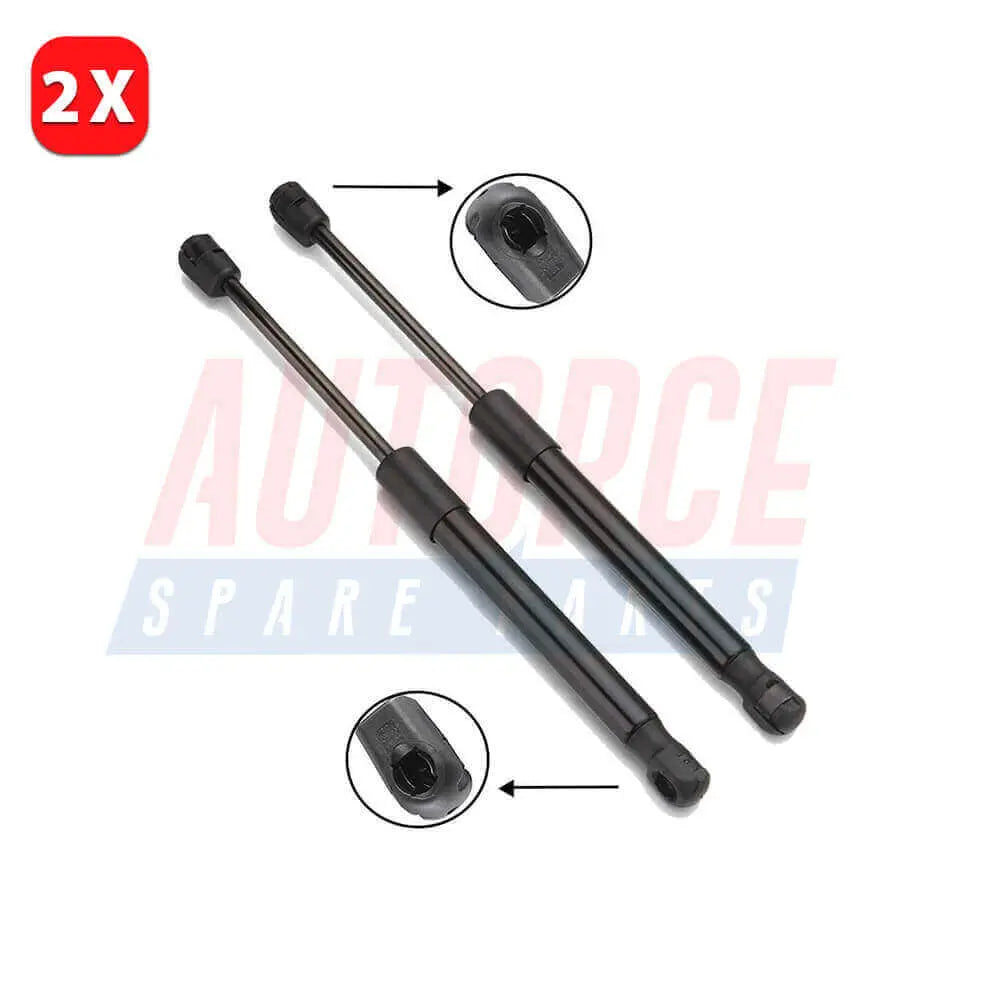
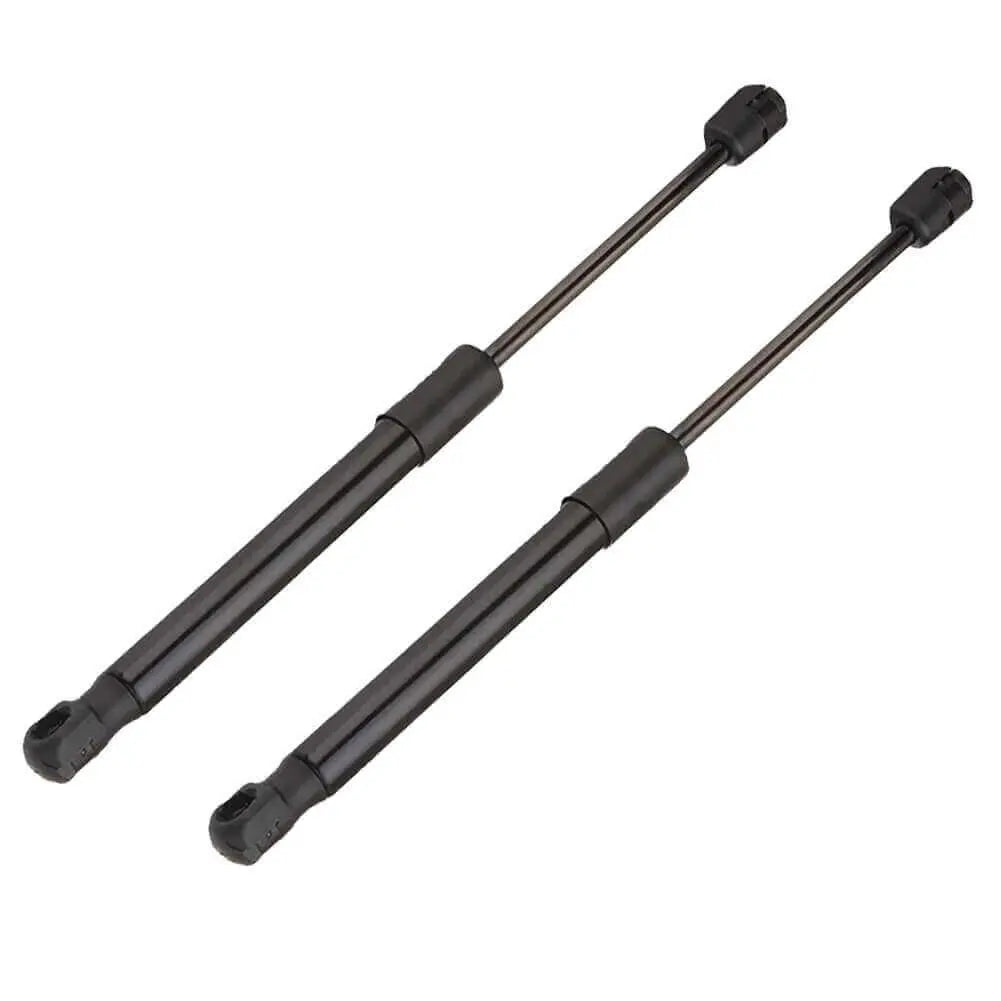
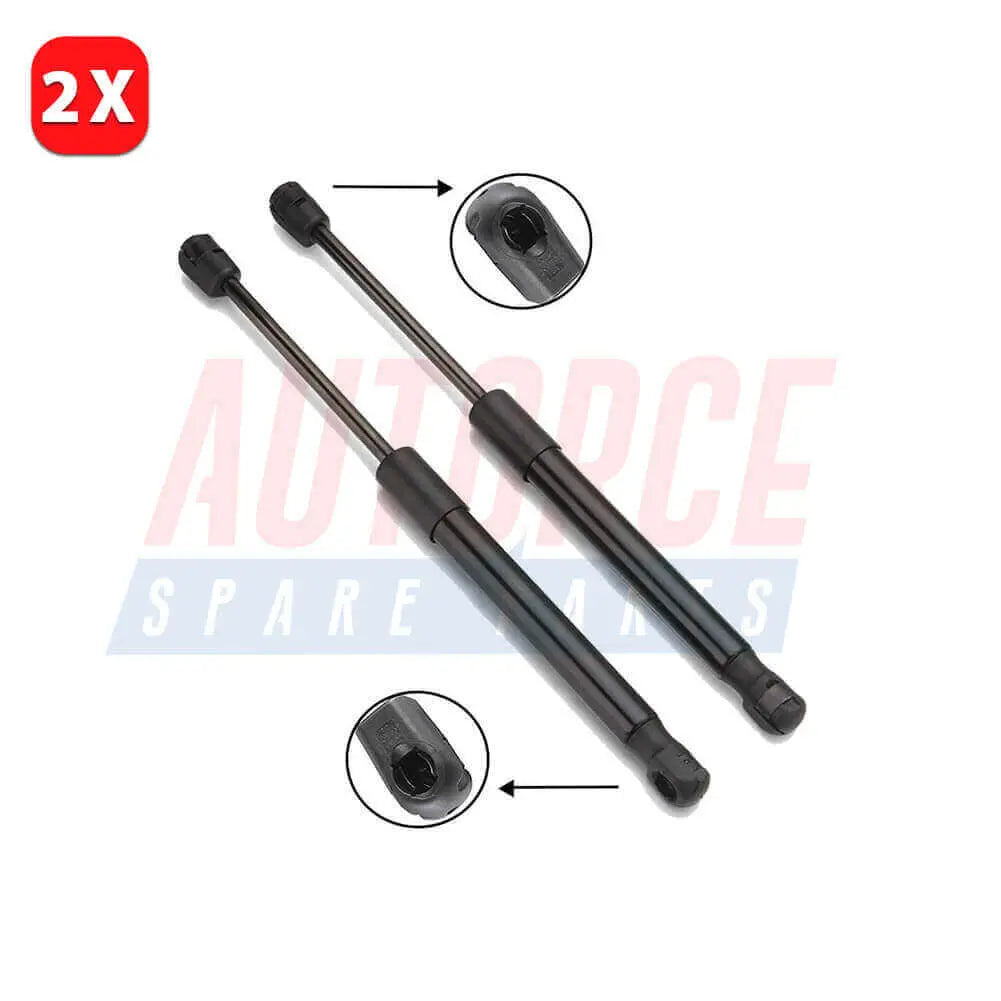
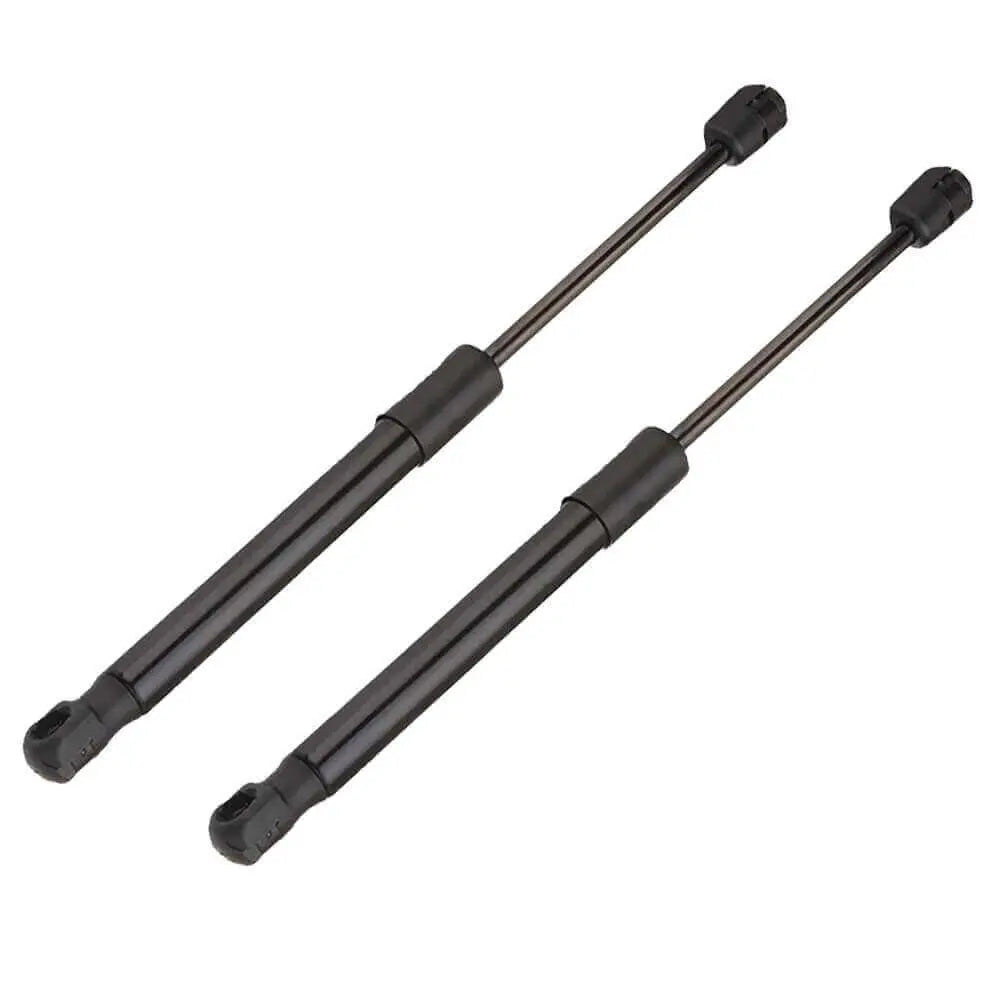
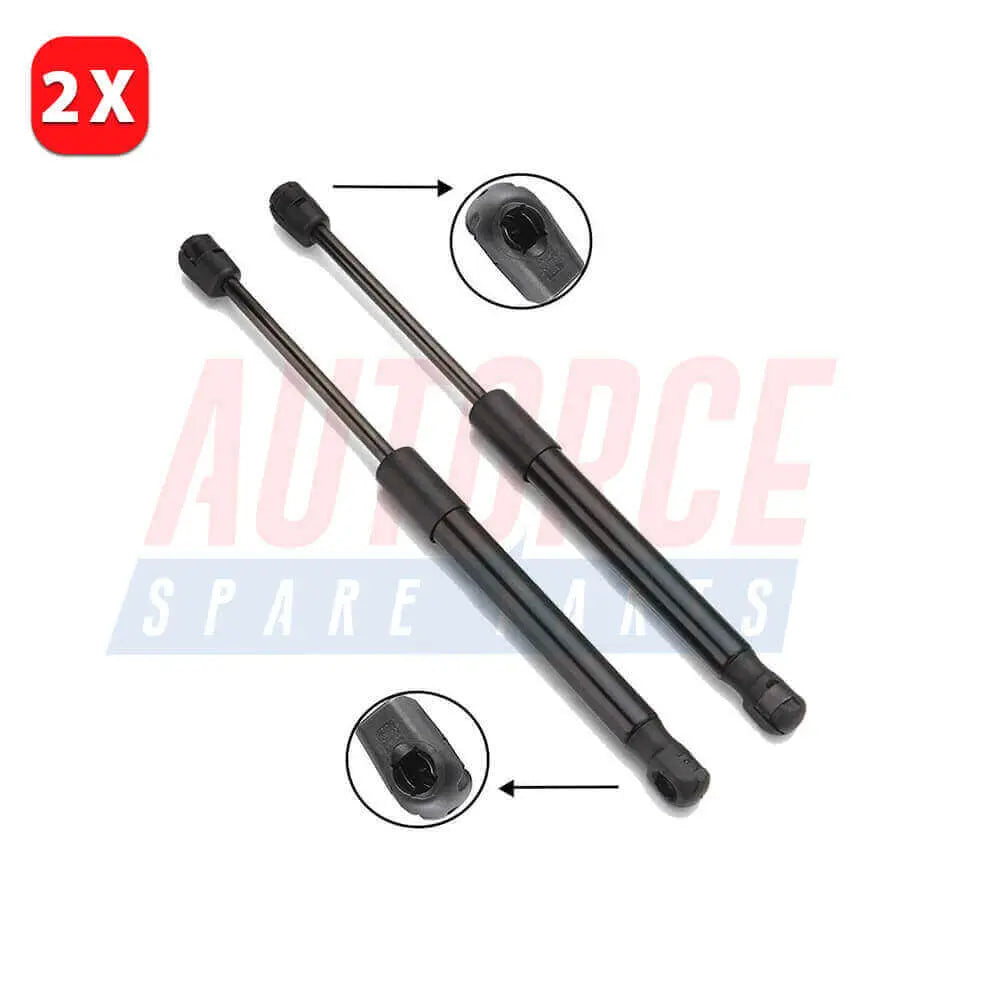
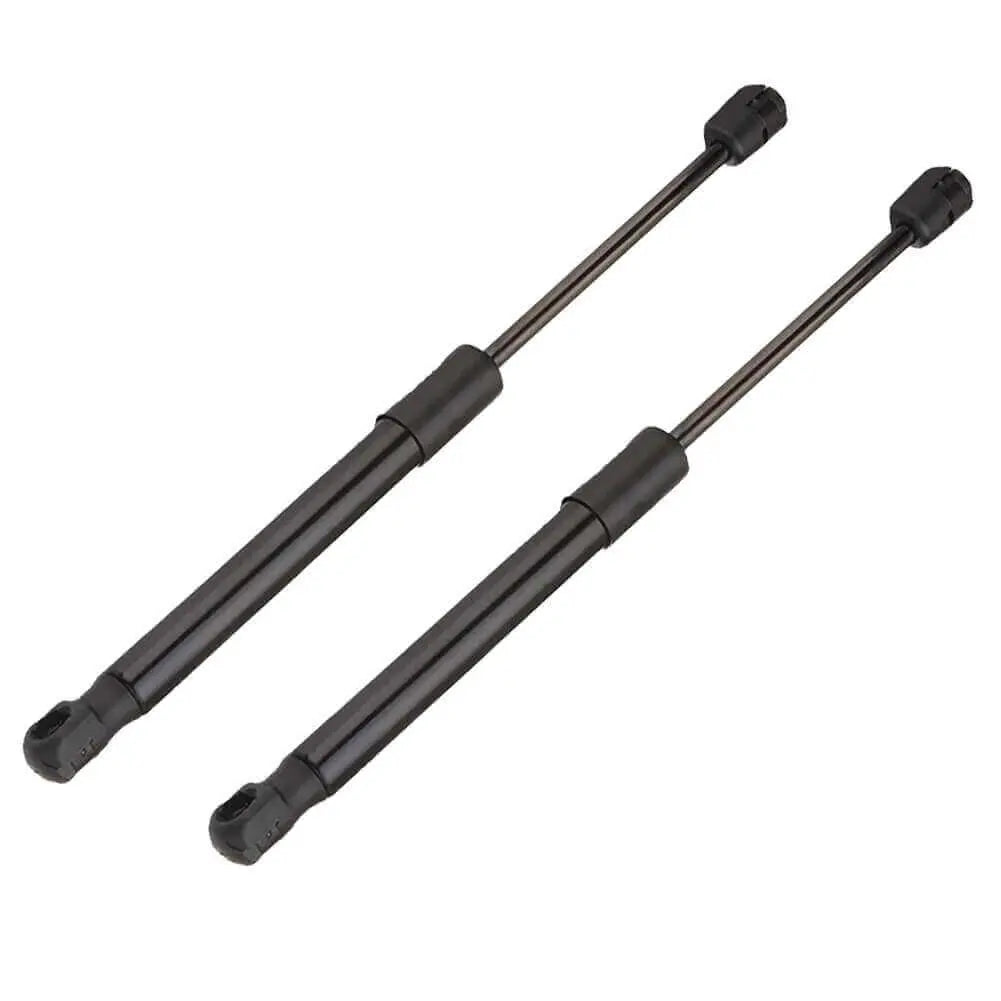
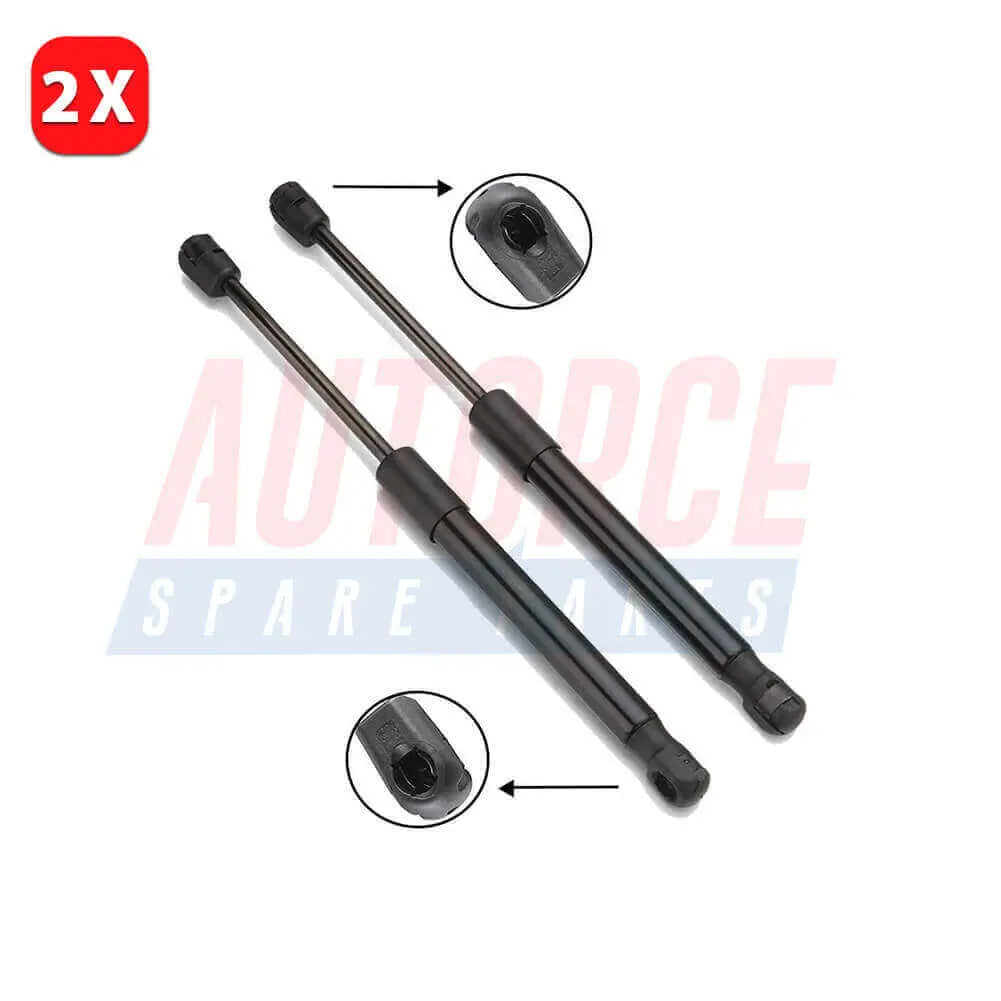
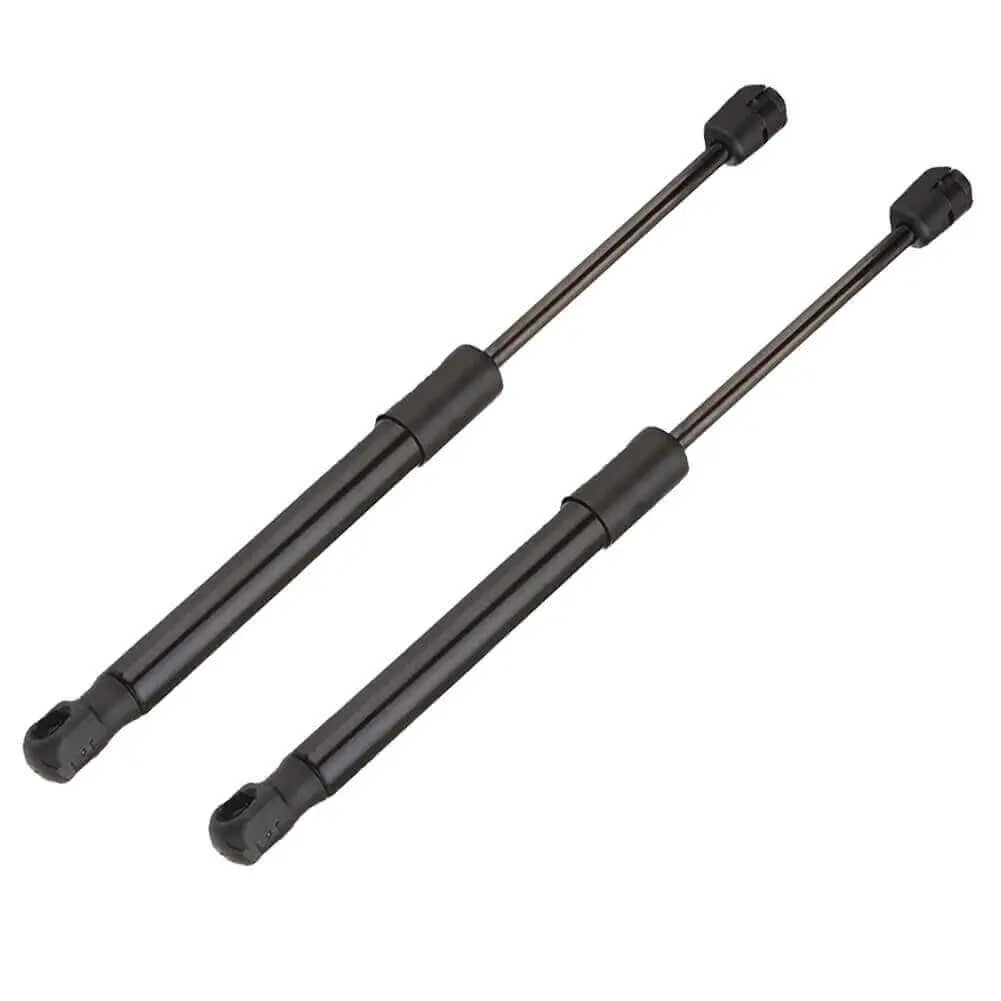
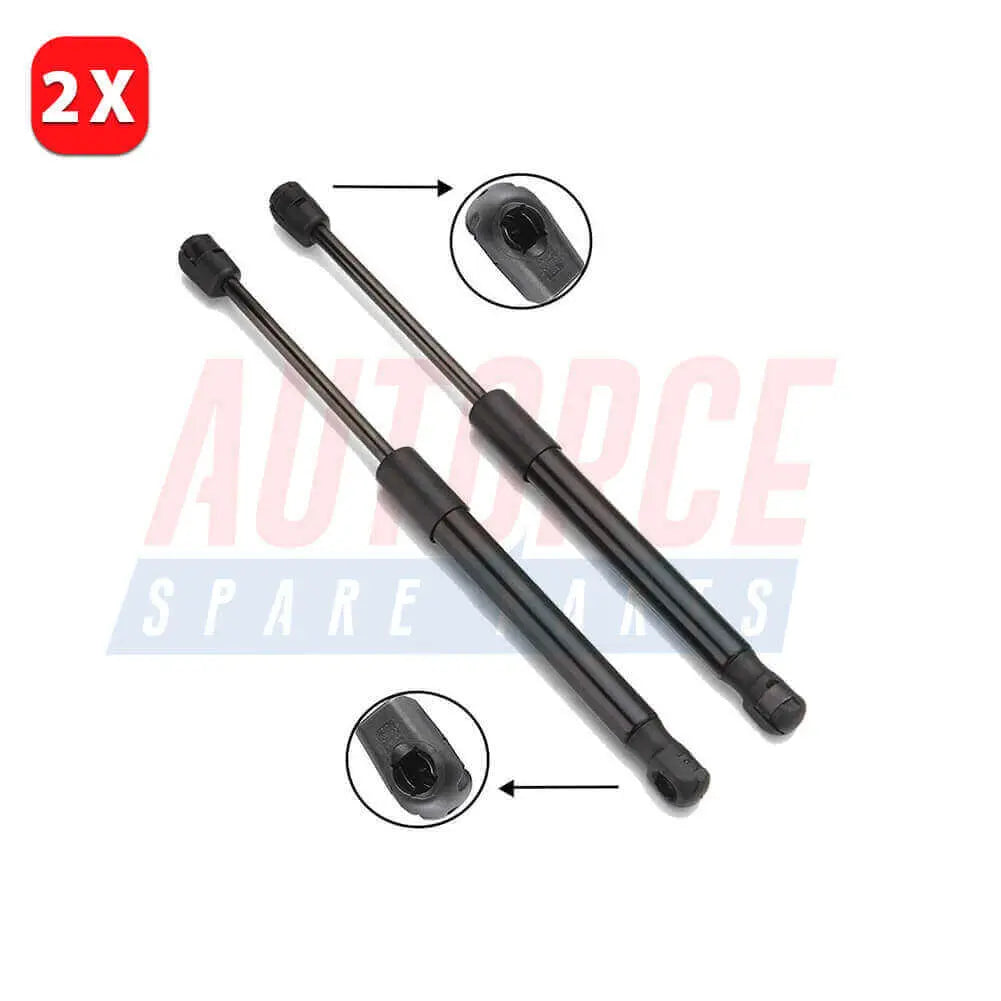
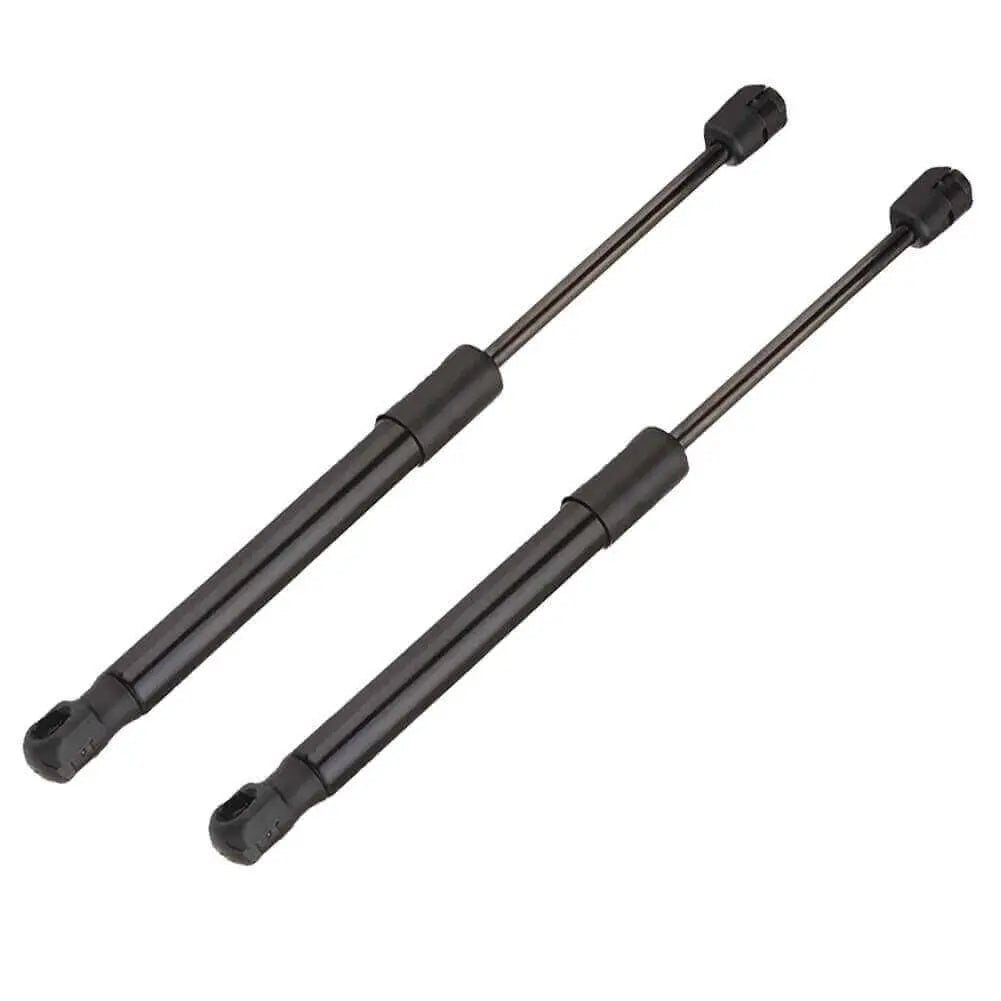
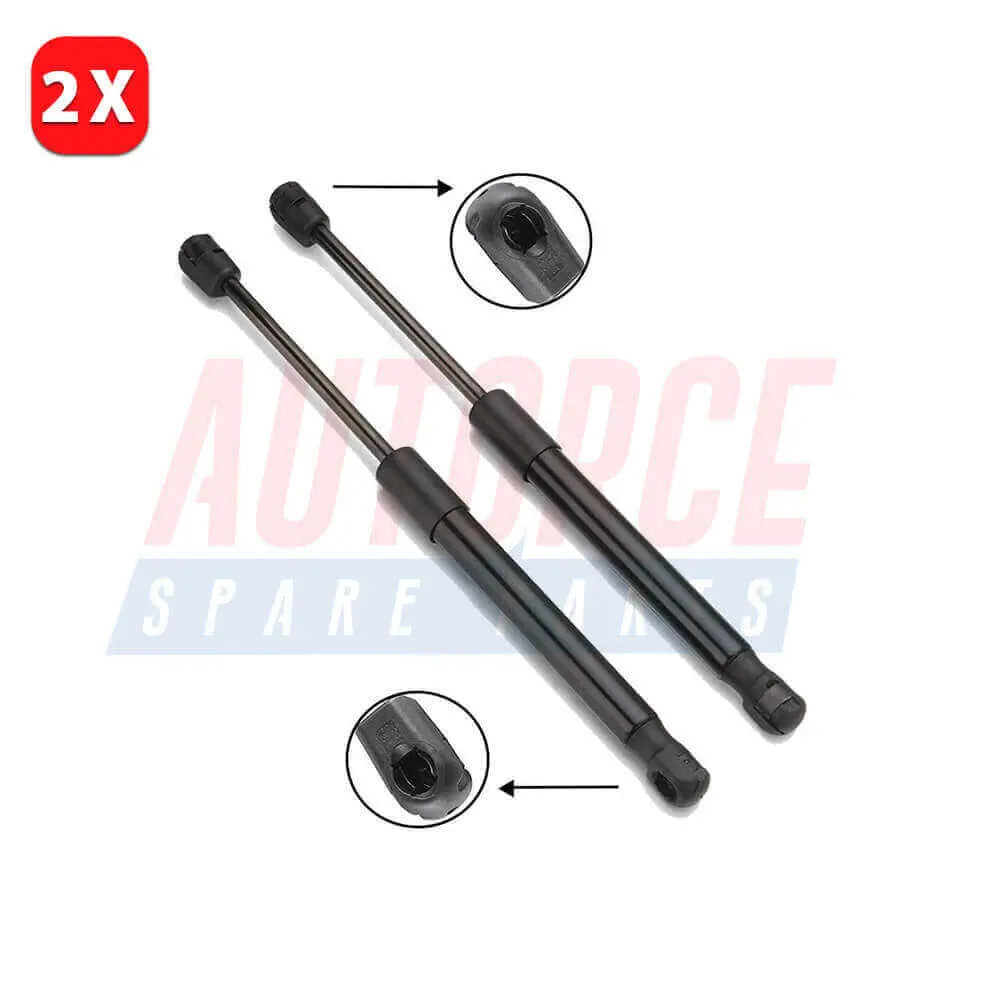
Vehicle gas springs are a critical component of modern vehicle design, providing the force necessary to lift, support, and control various parts of a car, truck, or other vehicle. Gas springs are commonly used in hoods, trunks, and tailgates, as well as in seats, doors, and other areas where controlled movement is necessary. In this article, we'll take a closer look at what gas springs are, how they work, and some of the key factors to consider when selecting and using them in your vehicle.
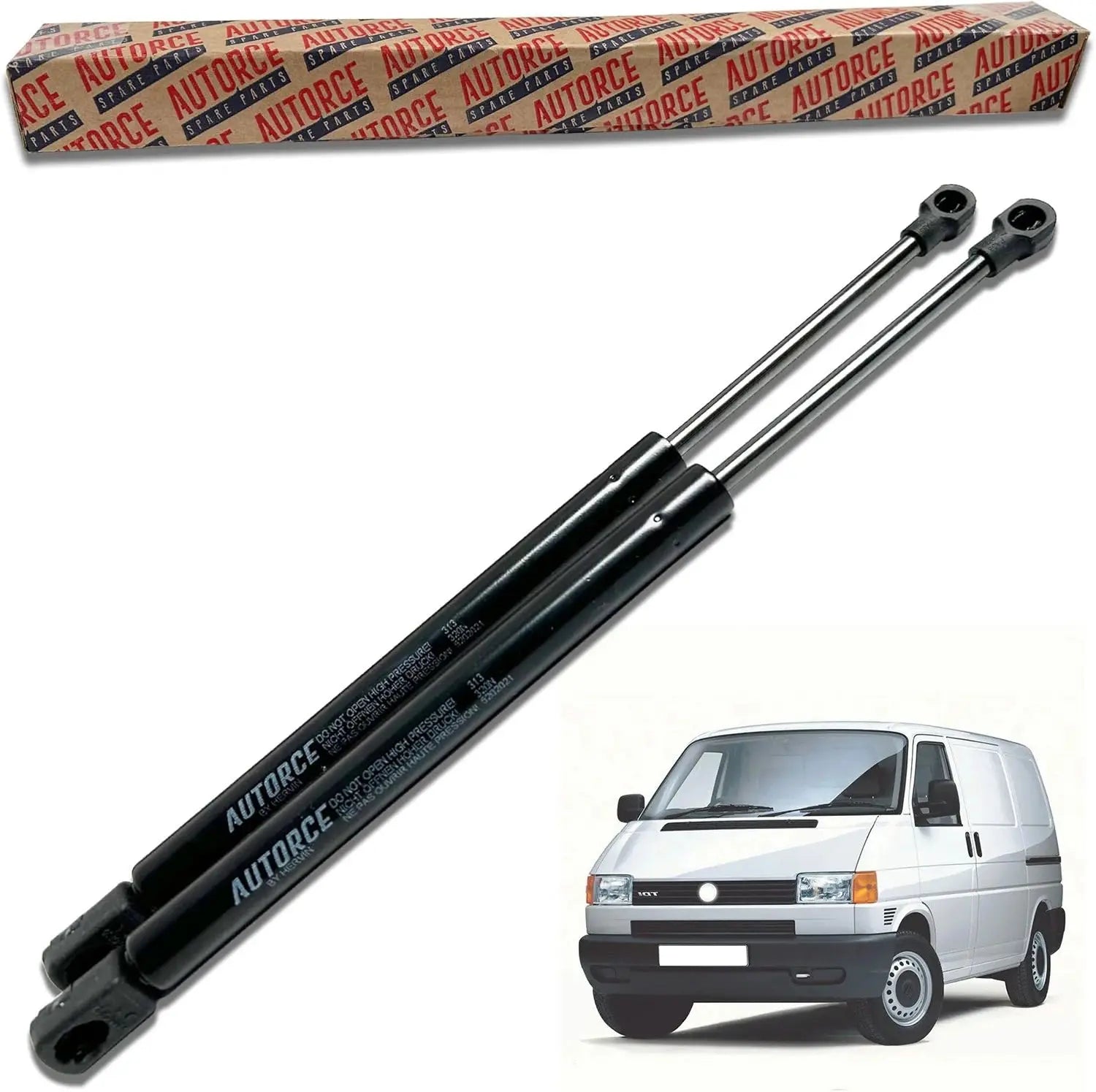
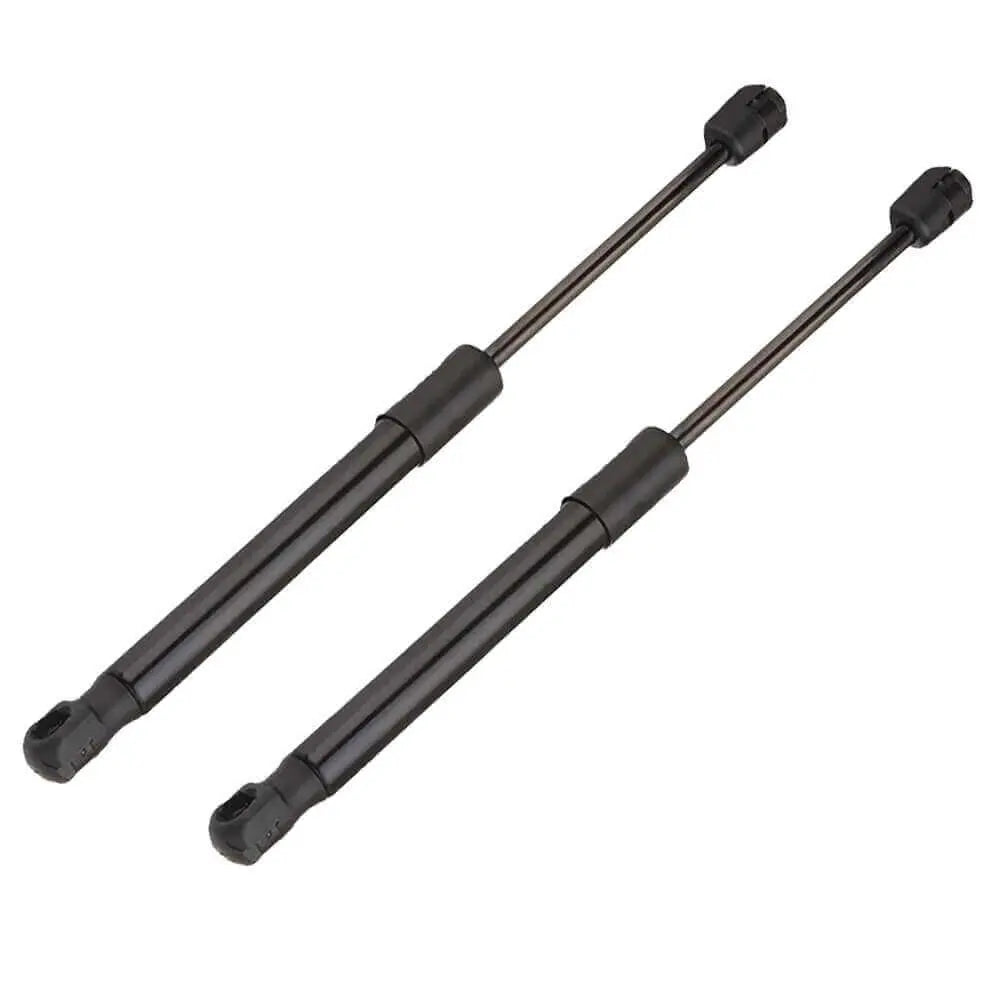
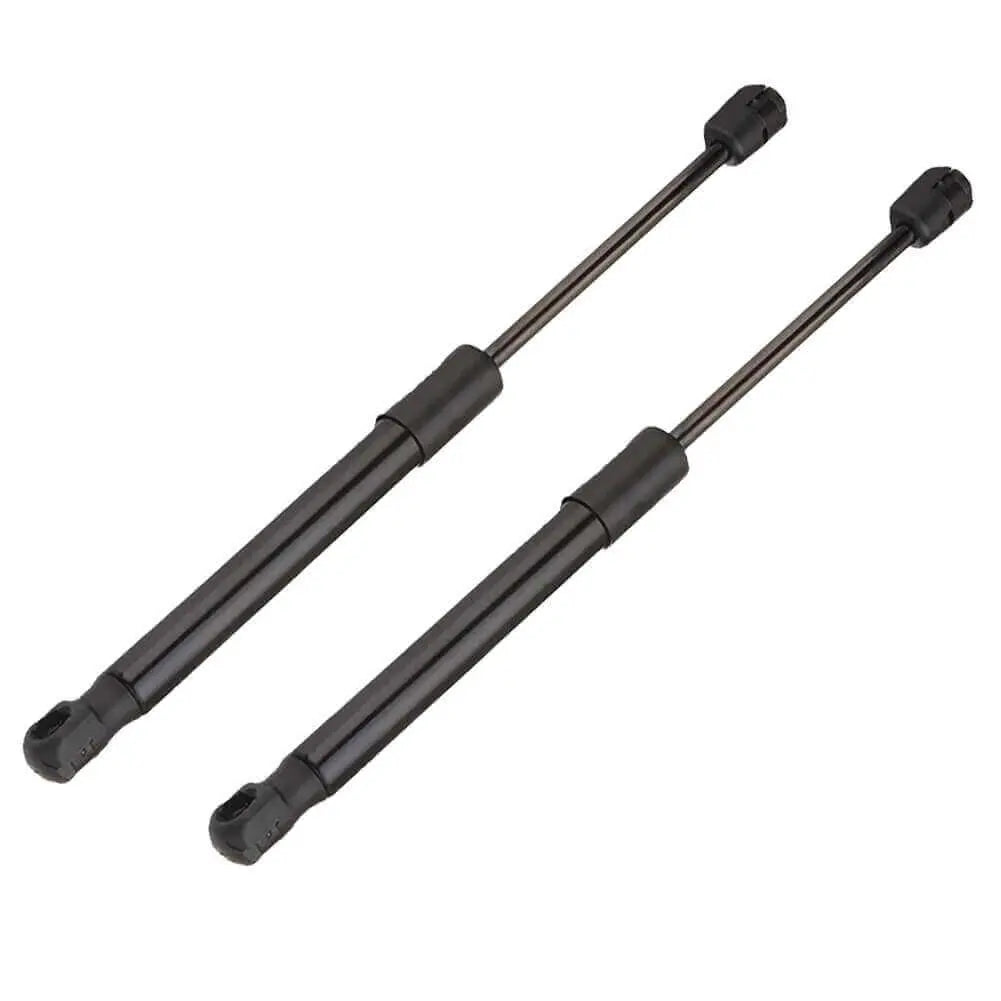
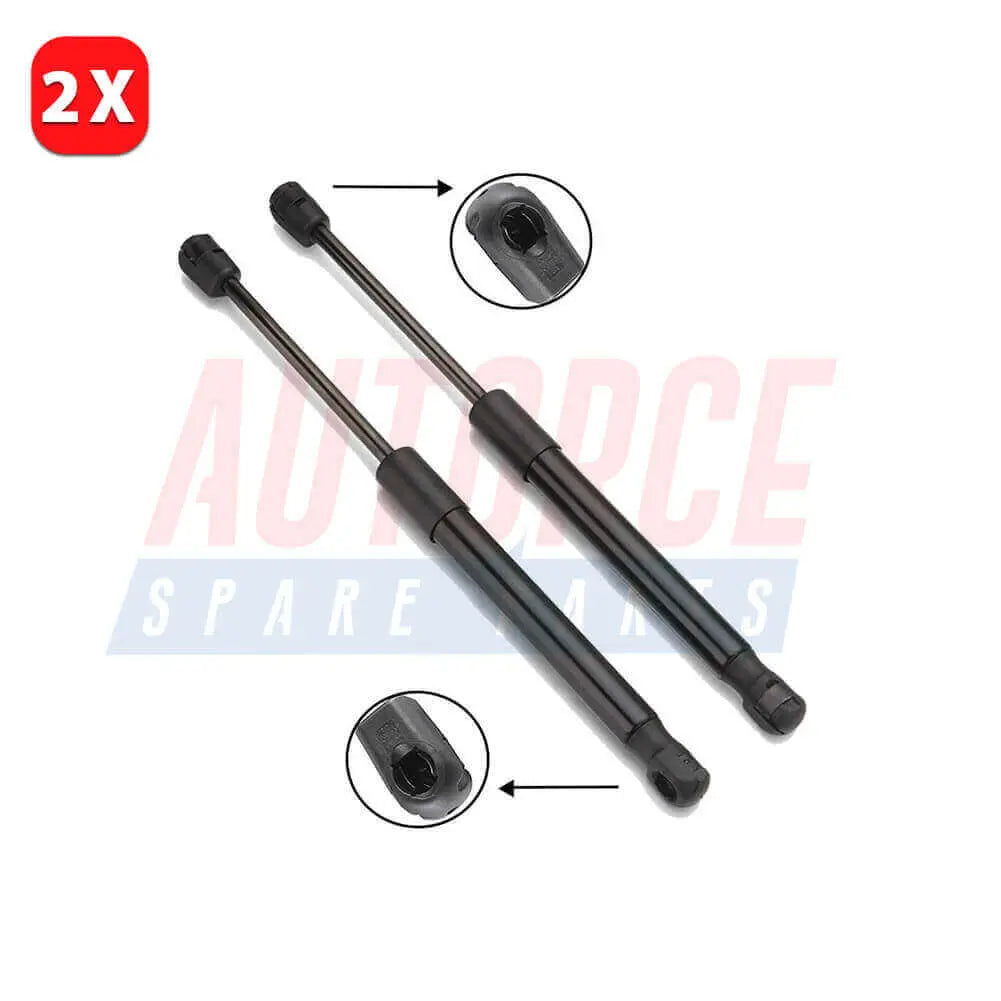
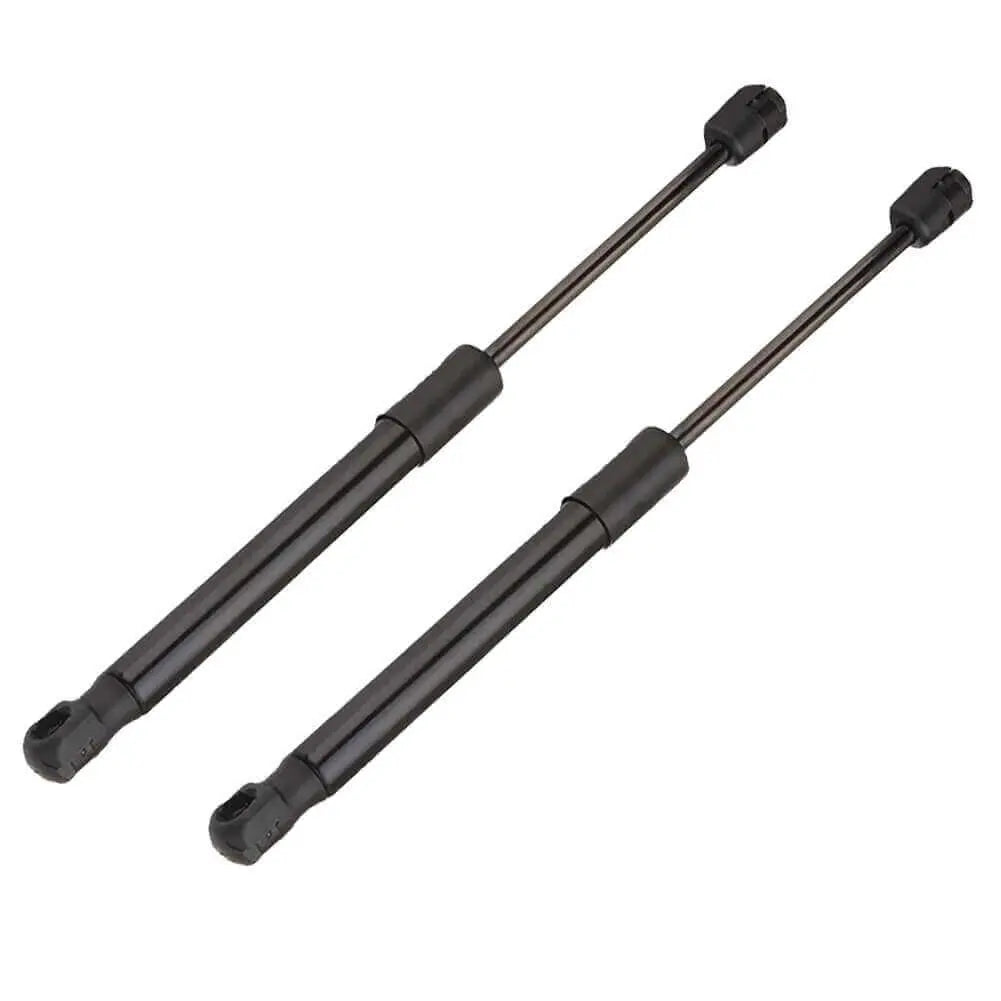
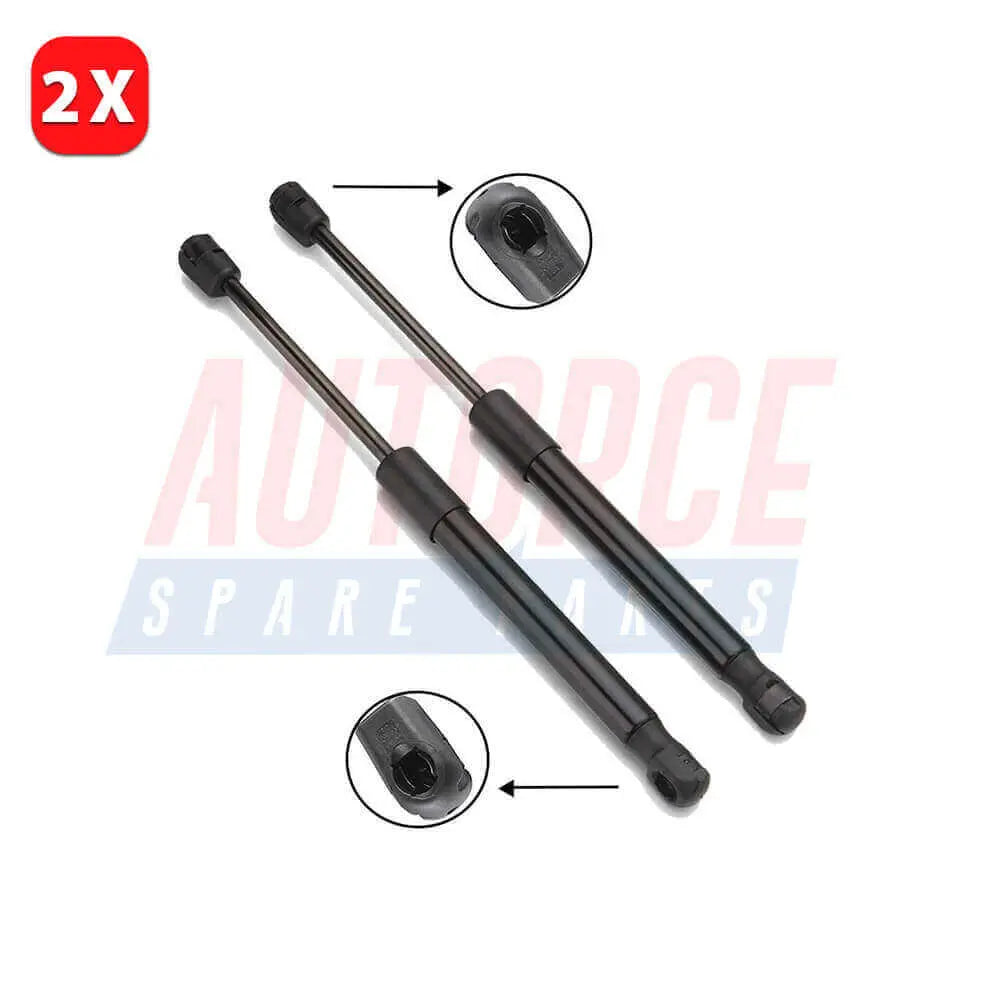
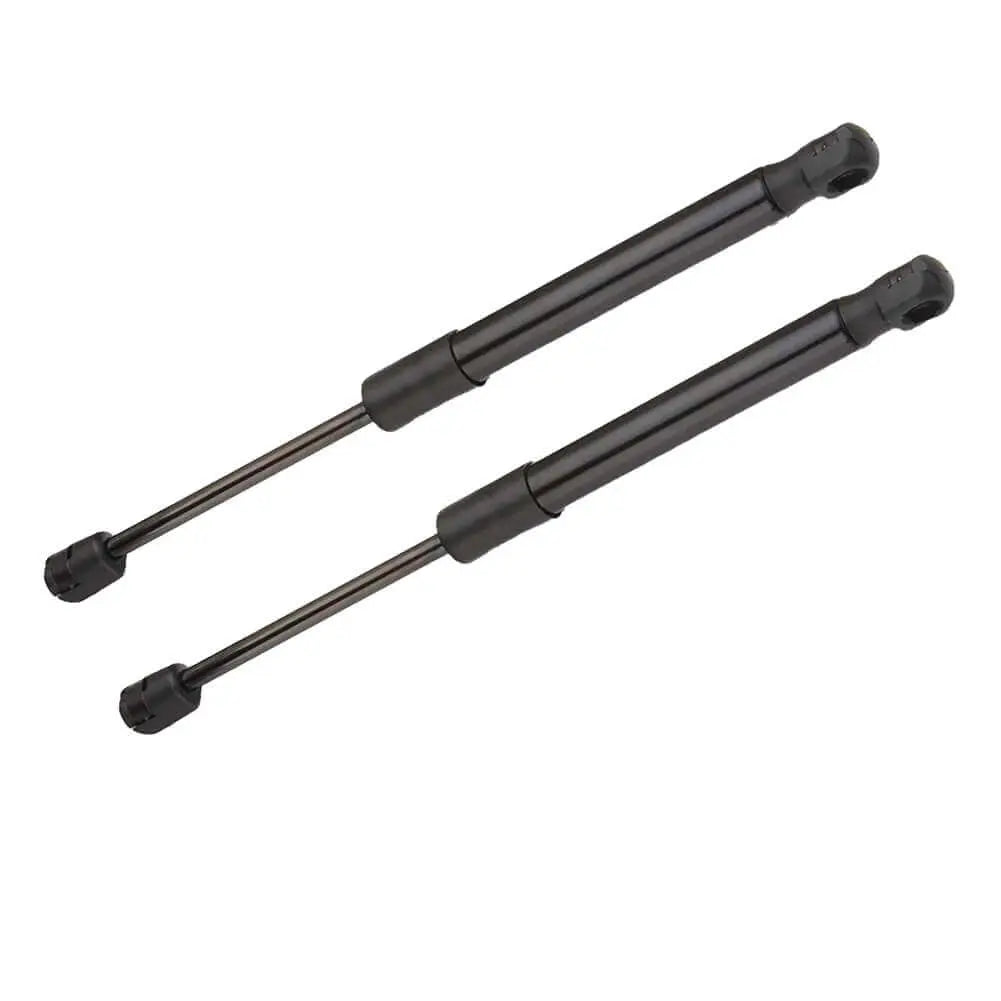
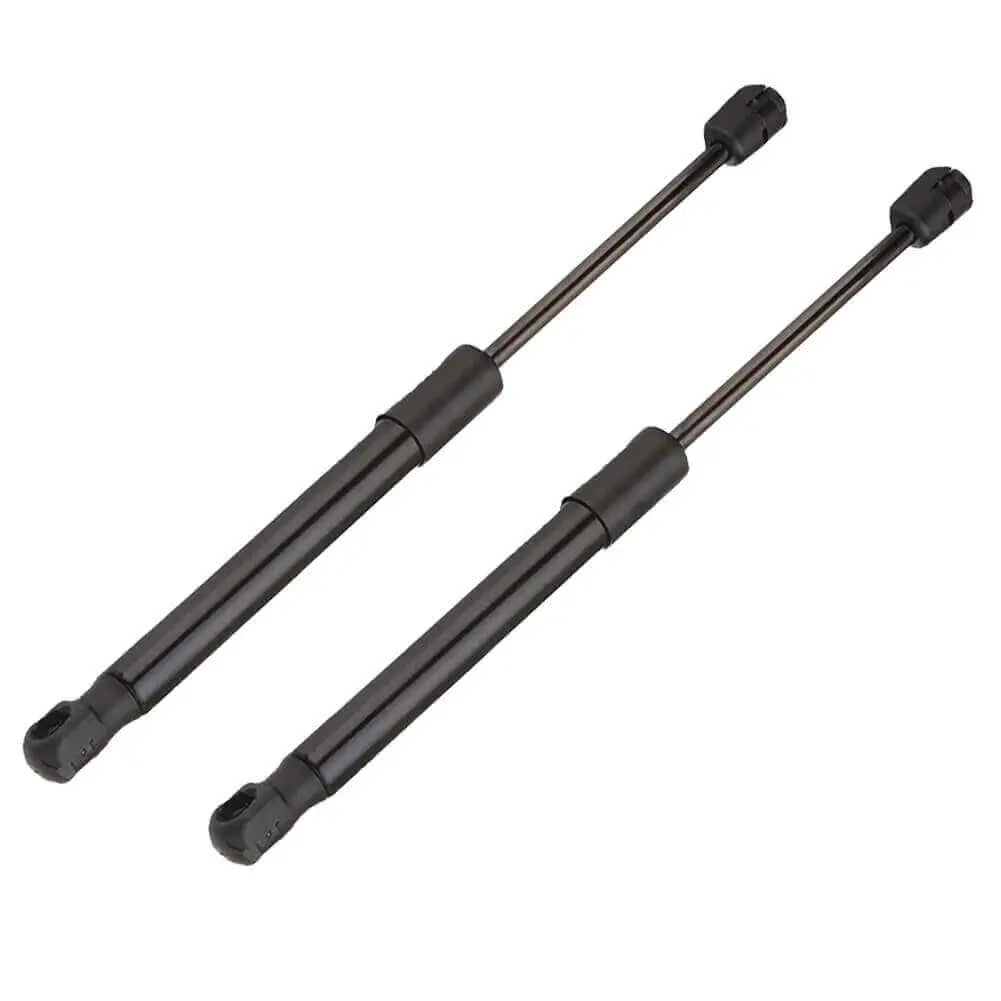
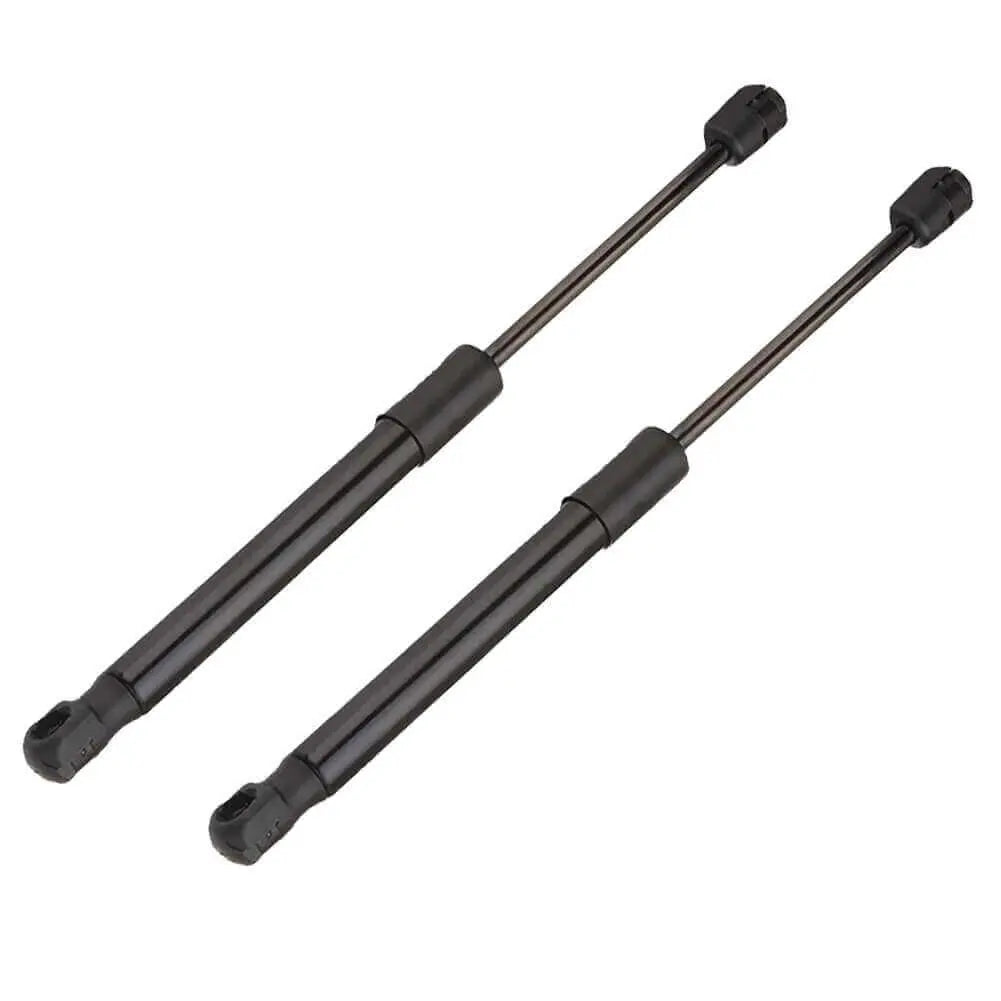
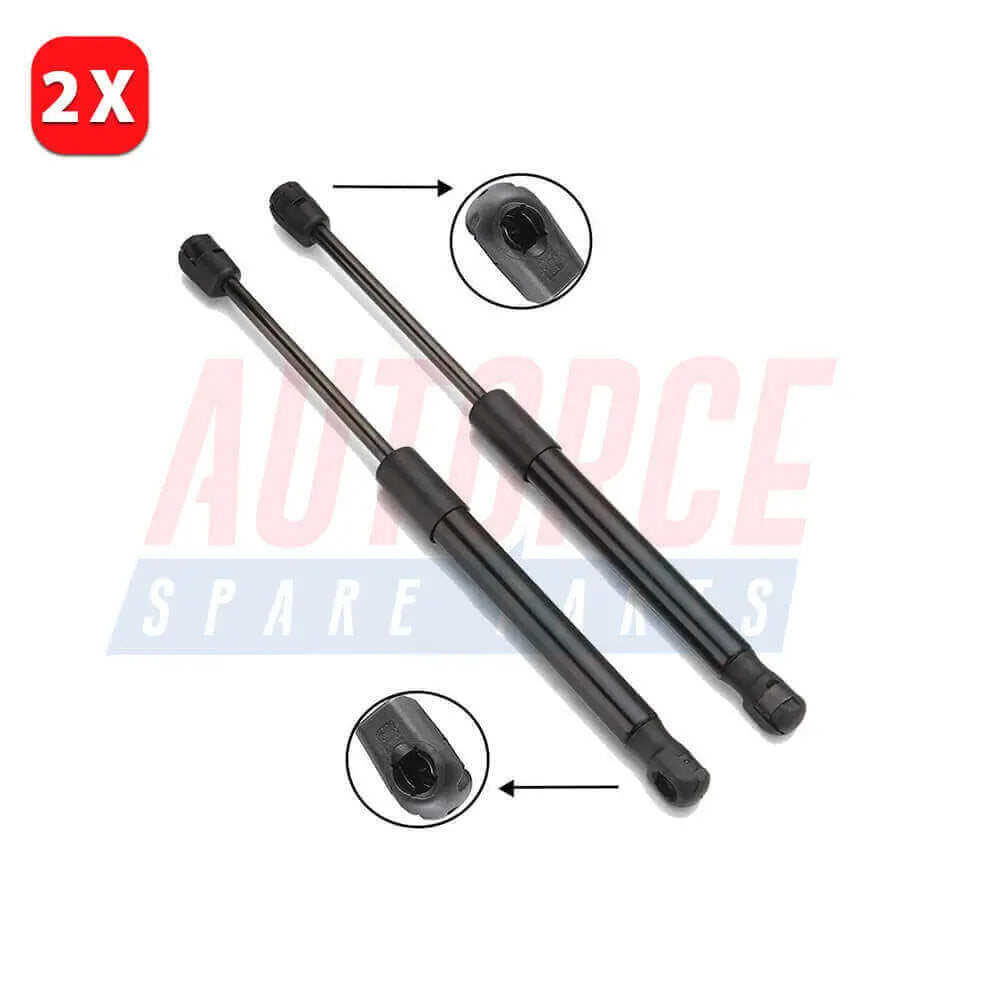
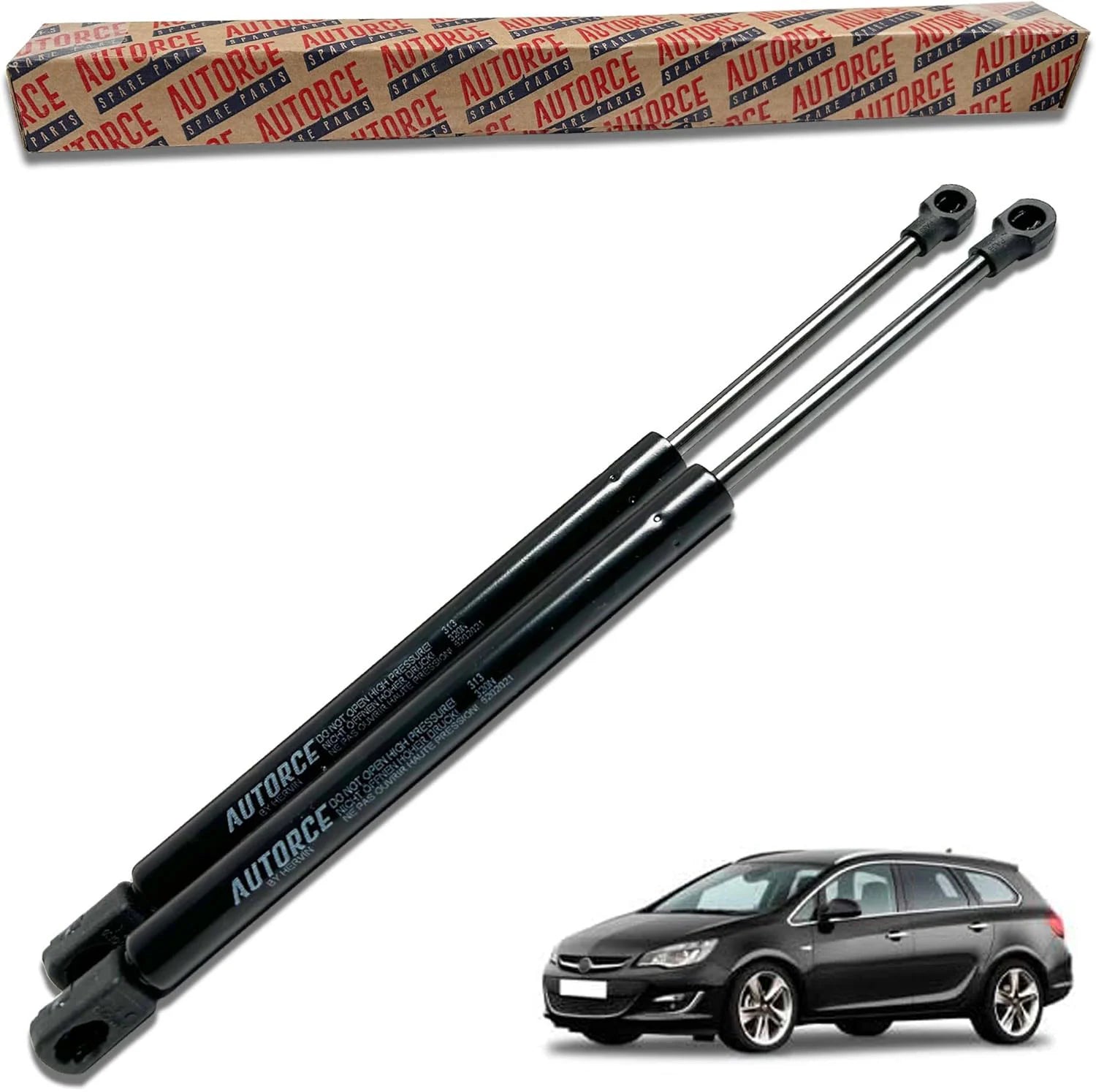
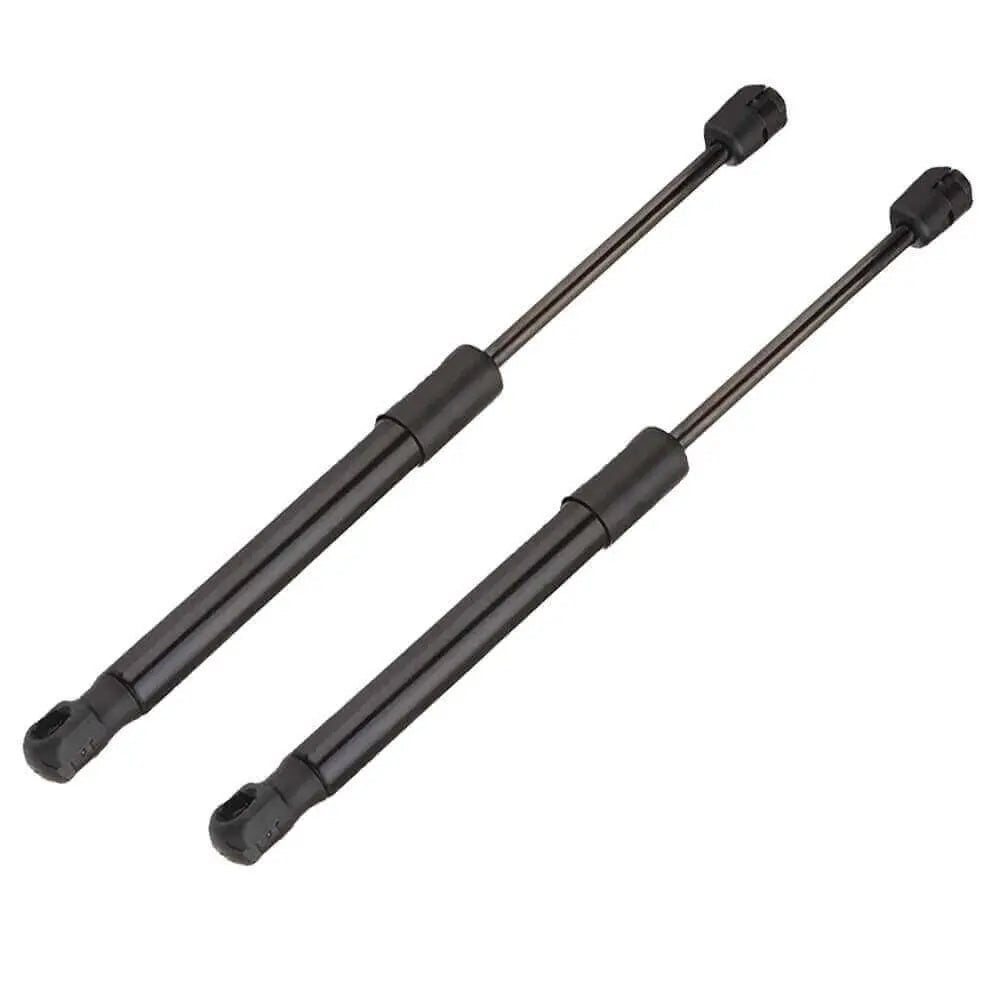
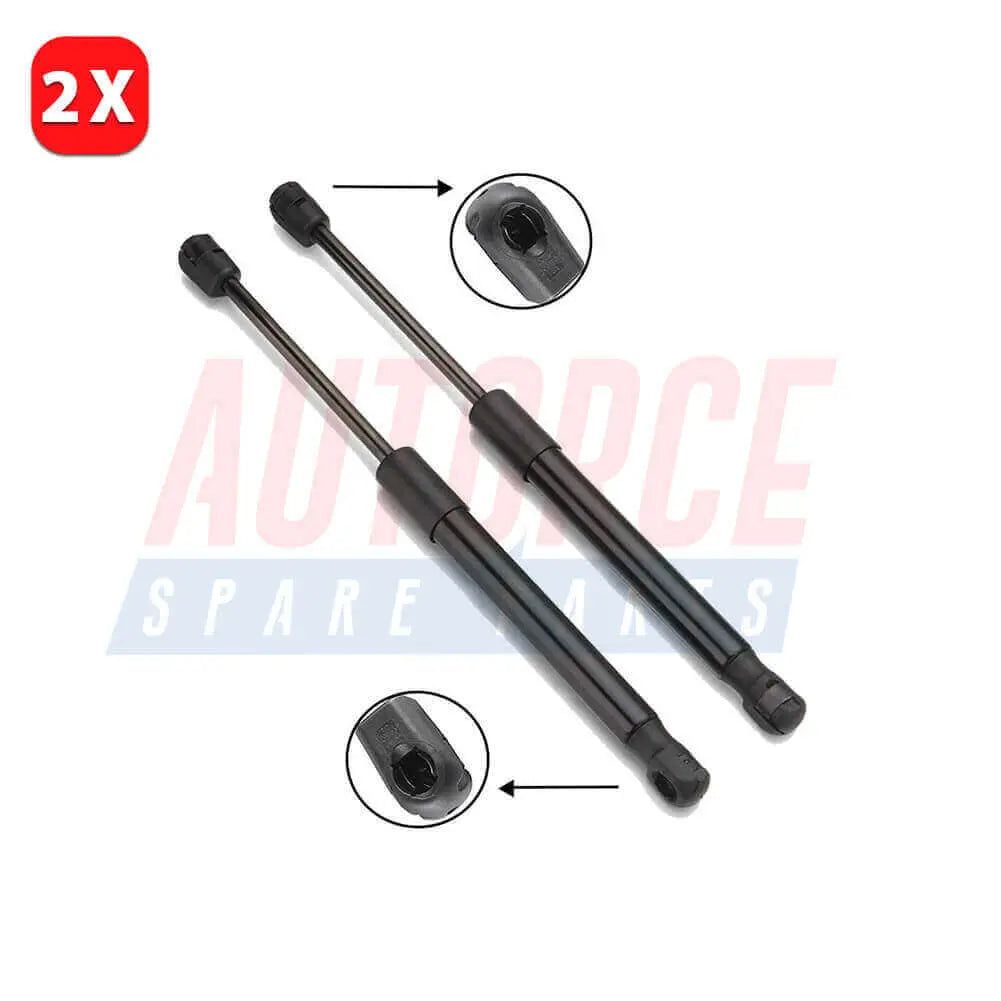
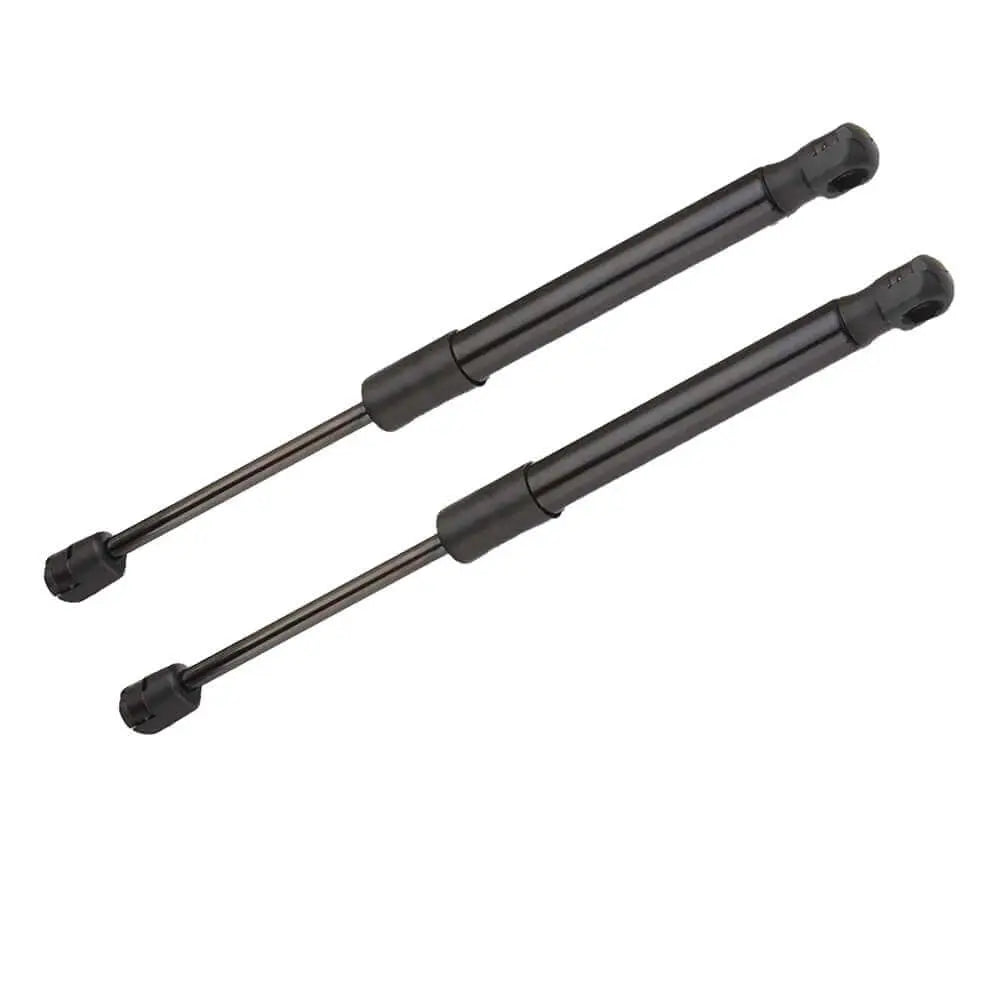
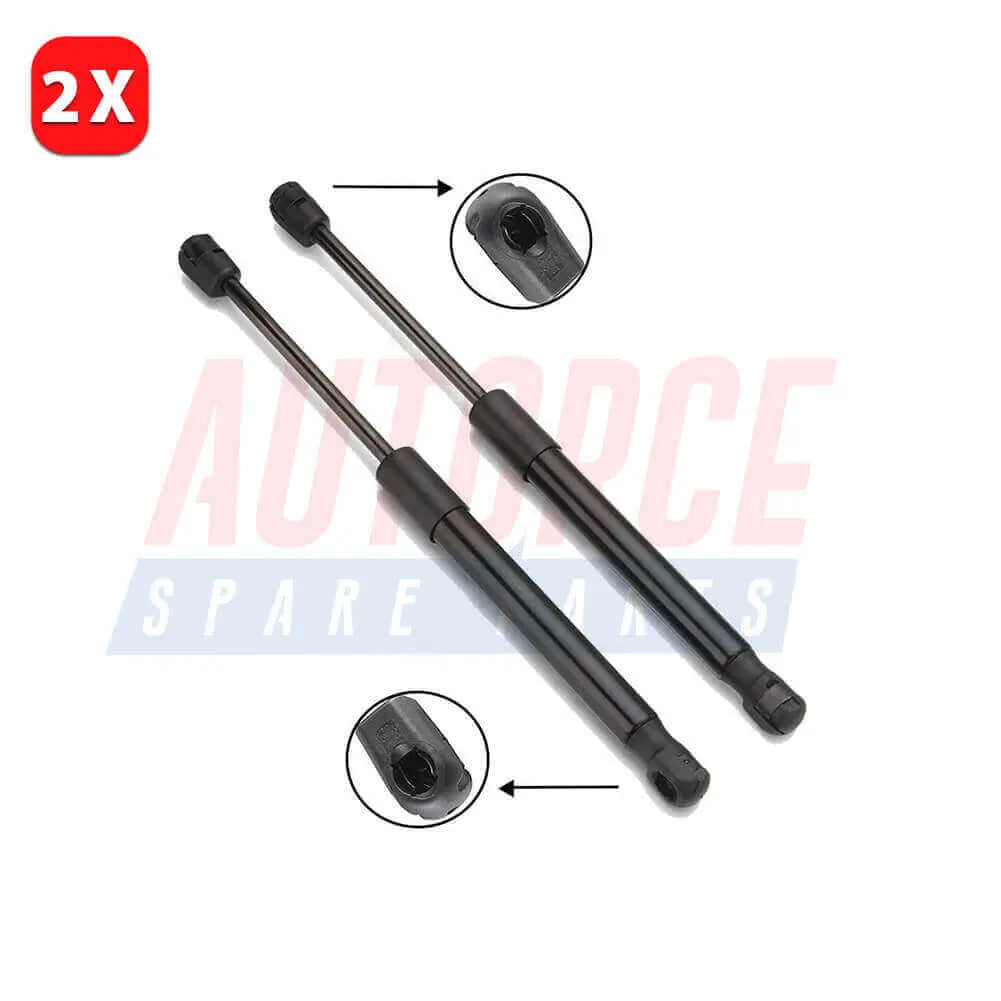
Gas springs are a type of hydraulic actuator that use compressed gas to generate force. They consist of a cylinder filled with a gas (typically nitrogen) and a piston that moves within the cylinder. The piston is attached to a rod that extends outside the cylinder and is used to push or pull on another object. When the gas inside the cylinder is compressed, it creates a force that pushes the piston and rod outward. When the gas is released, the piston and rod are pulled back into the cylinder.
Gas springs are typically designed with specific force and travel specifications. The force generated by a gas spring is determined by the size of the cylinder, the pressure of the gas inside it, and the area of the piston. The travel of a gas spring refers to the distance that the rod can move in and out of the cylinder. Gas springs are available in a wide range of sizes, forces, and travels, making them versatile and adaptable to many different applications.
How do Gas Springs Work in Vehicles?
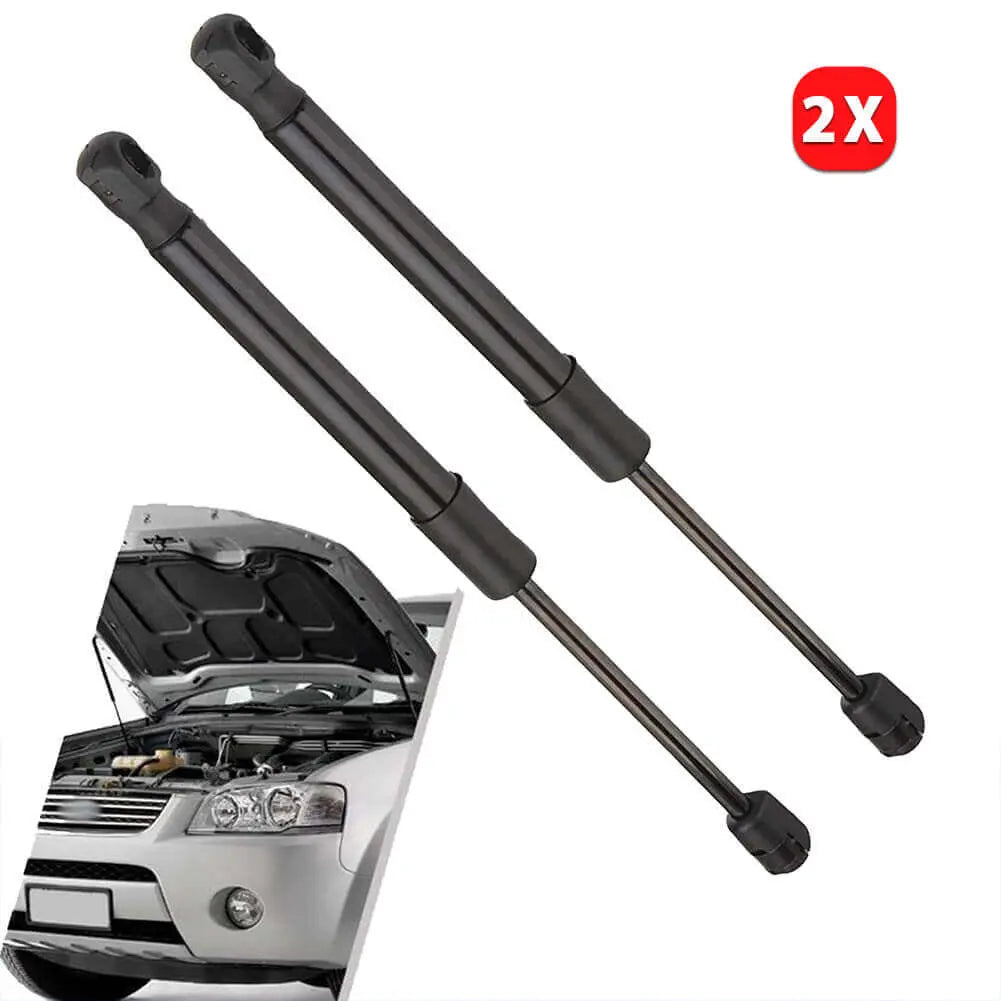
Gas springs are used in vehicles to provide controlled movement of various parts, such as hoods, trunks, and tailgates. In these applications, gas springs are typically installed in pairs, with one spring on each side of the part being lifted or supported. The gas springs are attached to the vehicle frame on one end and the part being lifted or supported on the other end.
When the part is opened or lifted, the gas springs extend, generating force to support the weight of the part and keep it in place. When the part is closed or lowered, the gas springs compress, providing a cushioning effect and controlling the rate at which the part moves. Gas springs can also be used in seats and other areas of the vehicle where controlled movement is necessary.
Factors to Consider When Using Gas Springs in Vehicles
When selecting and using gas springs in vehicles, there are several factors to consider to ensure optimal performance and safety. These include:
Load capacity: Gas springs must be rated to support the weight of the part they are lifting or supporting. It's important to choose a gas spring with a load capacity that matches the weight of the part, to ensure that it can be lifted and supported safely.
Travel distance: Gas springs should be selected based on the distance that the part needs to travel. The travel distance of the gas spring should be equal to or slightly greater than the distance the part needs to move.
Mounting orientation: Gas springs are designed to be mounted in specific orientations (e.g., horizontal or vertical), and should be installed according to the manufacturer's instructions.
Temperature range: Gas springs can be affected by temperature changes, and their performance can be impacted if they are used outside of their recommended temperature range.
Maintenance: Gas springs should be inspected regularly for signs of wear or damage, and should be replaced if they are no longer functioning properly.
Conclusion
Gas springs are an essential component of modern vehicle design, providing the force necessary to lift, support, and control various parts of a car, truck, or other vehicle. When selecting and using gas springs in vehicles, it's important to consider factors such as load capacity, travel distance, mounting orientation, temperature range, and maintenance requirements to ensure optimal performance and safety.
What are Gas Springs?
Gas springs are a type of hydraulic actuator that use compressed gas to generate force. They consist of a cylinder filled with a gas (typically nitrogen) and a piston that moves within the cylinder. The piston is attached to a rod that extends outside the cylinder and is used to push or pull on another object. When the gas inside the cylinder is compressed, it creates a force that pushes the piston and rod outward. When the gas is released, the piston and rod are pulled back into the cylinder.
Gas springs are typically designed with specific force and travel specifications. The force generated by a gas spring is determined by the size of the cylinder, the pressure of the gas inside it, and the area of the piston. The travel of a gas spring refers to the distance that the rod can move in and out of the cylinder. Gas springs are available in a wide range of sizes, forces, and travels, making them versatile and adaptable to many different applications.
How do Gas Springs Work in Vehicles?
Gas springs are used in vehicles to provide controlled movement of various parts, such as hoods, trunks, and tailgates. In these applications, gas springs are typically installed in pairs, with one spring on each side of the part being lifted or supported. The gas springs are attached to the vehicle frame on one end and the part being lifted or supported on the other end.
When the part is opened or lifted, the gas springs extend, generating force to support the weight of the part and keep it in place. When the part is closed or lowered, the gas springs compress, providing a cushioning effect and controlling the rate at which the part moves. Gas springs can also be used in seats and other areas of the vehicle where controlled movement is necessary.
Factors to Consider When Using Gas Springs in Vehicles
When selecting and using gas springs in vehicles, there are several factors to consider to ensure optimal performance and safety. These include:
Load capacity: Gas springs must be rated to support the weight of the part they are lifting or supporting. It's important to choose a gas spring with a load capacity that matches the weight of the part, to ensure that it can be lifted and supported safely.
Travel distance: Gas springs should be selected based on the distance that the part needs to travel. The travel distance of the gas spring should be equal to or slightly greater than the distance the part needs to move.
Mounting orientation: Gas springs are designed to be mounted in specific orientations (e.g., horizontal or vertical), and should be installed according to the manufacturer's instructions.
Temperature range: Gas springs can be affected by temperature changes, and their performance can be impacted if they are used outside of their recommended temperature range.
Maintenance: Gas springs should be inspected regularly for signs of wear or damage, and should be replaced if they are no longer functioning properly.
Conclusion
Gas springs are an essential component of modern vehicle design, providing the force necessary to lift, support, and control various parts of a car, truck, or other vehicle. When selecting and using gas springs in vehicles, it's important to consider factors such as load capacity, travel distance, mounting orientation, temperature range, and maintenance requirements to ensure optimal performance and safety.
Showing 49 - 72 of 265 products
Display
View


Pair Rear Tailgate Boot Gas Struts for Opel Combo X19 620N 3555223
Sale price£19.90
No reviews
In stock

Pair Rear Tailgate Boot Gas Struts for BMW X1 E84 460N 51242990136
Sale price£16.90
No reviews
In stock

Pair Rear Tailgate Boot Gas Struts for BMW 3 Touring E46 E91 470N 51247127875
Sale price£15.90
No reviews
In stock

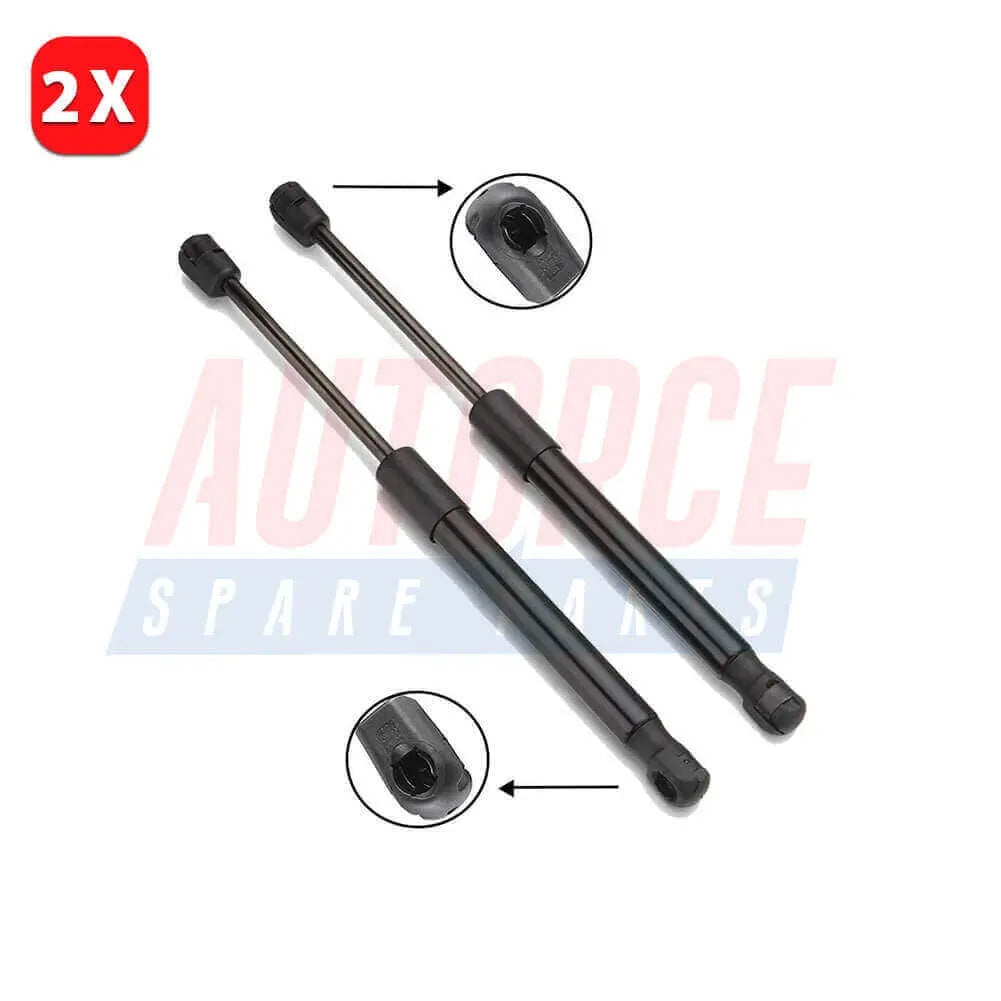
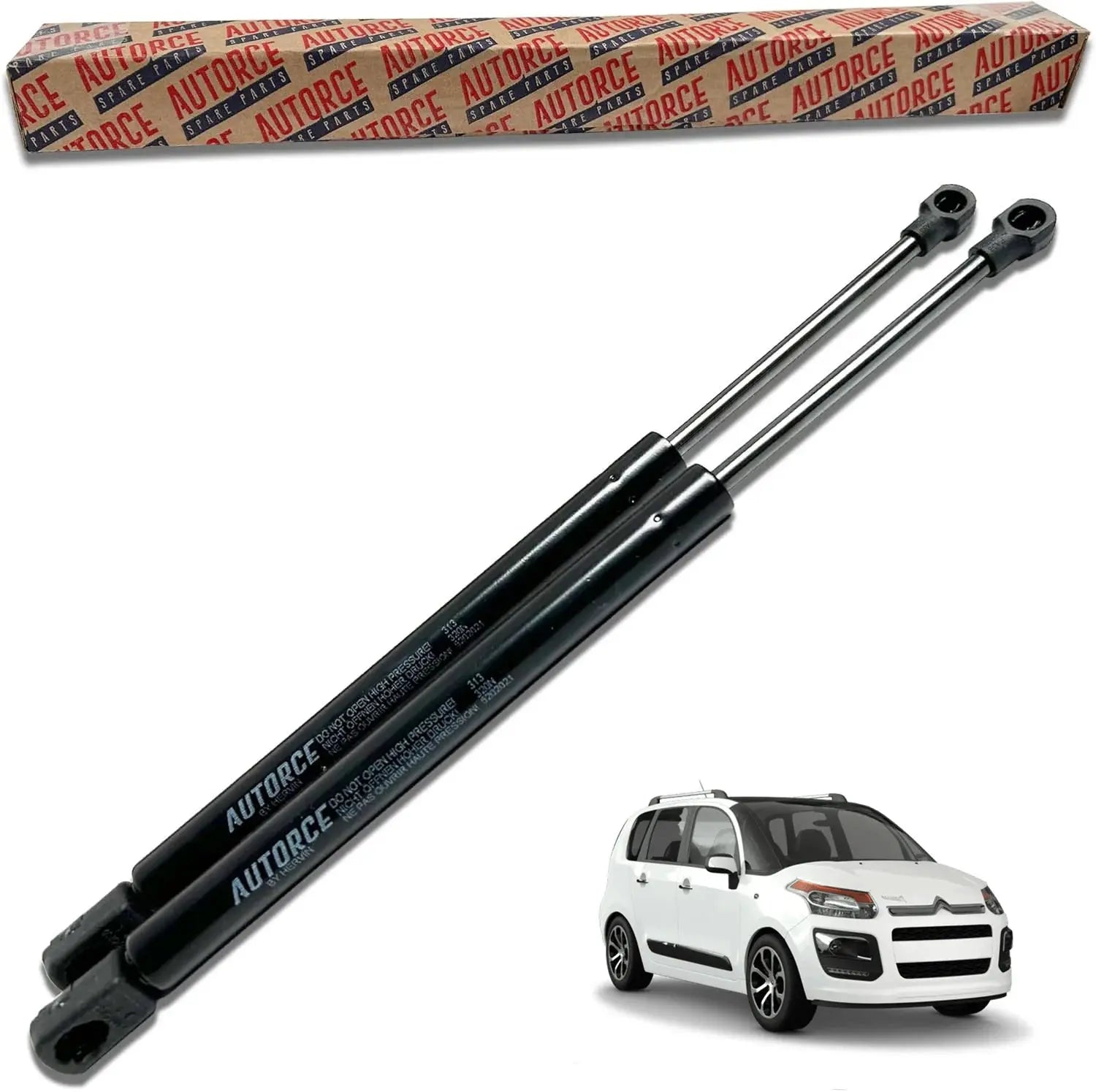
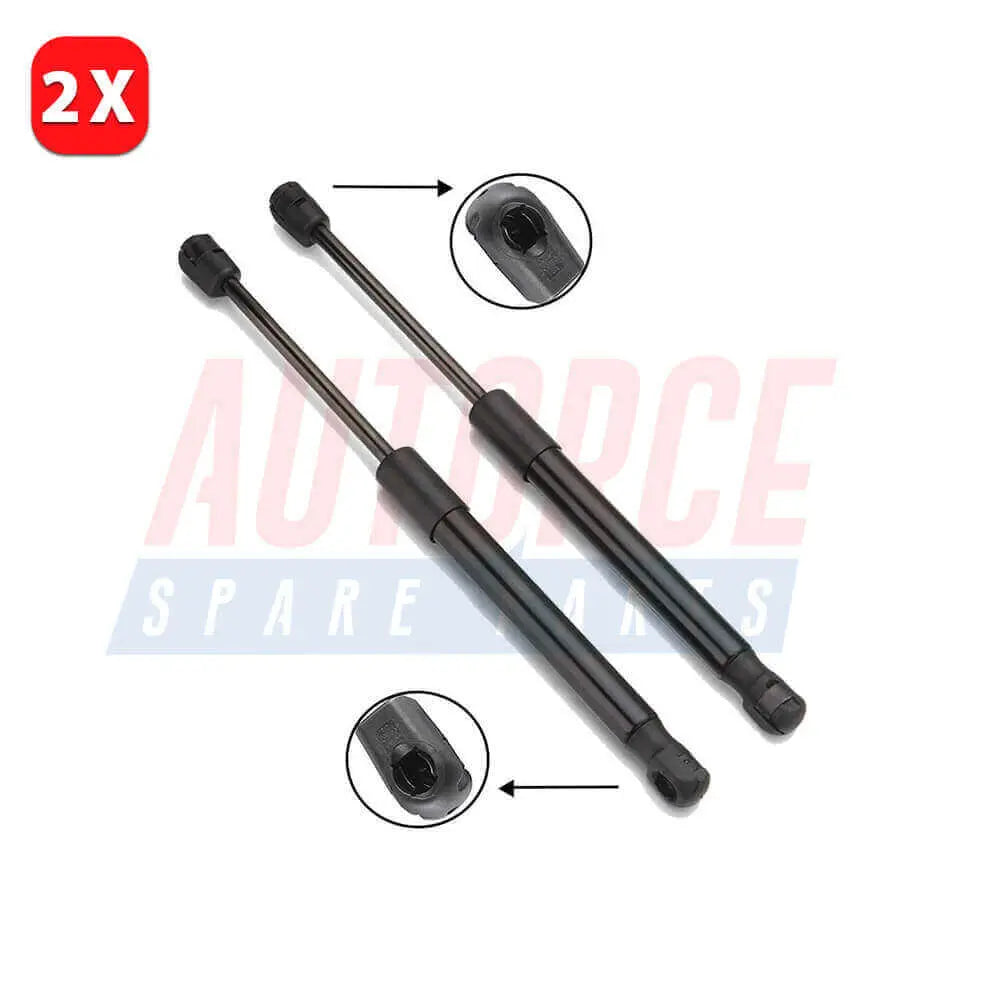
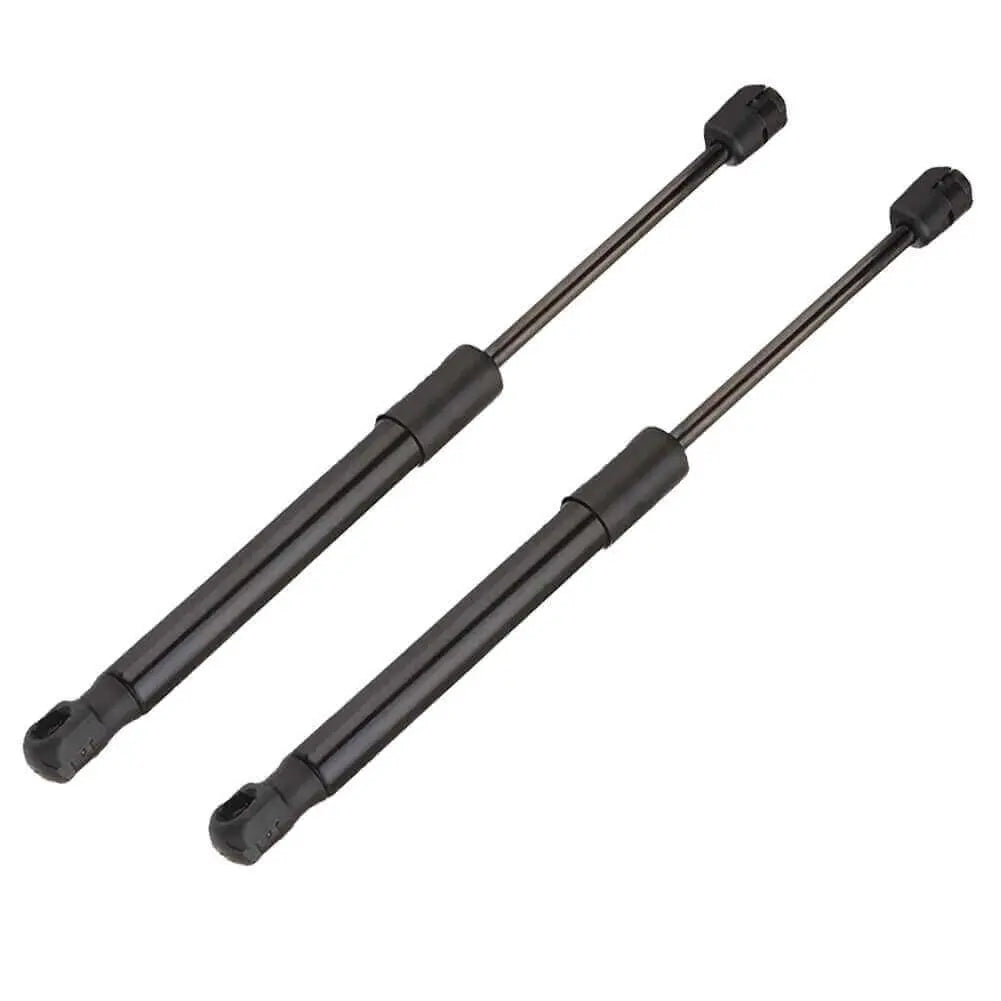
Pair Rear Tailgate Boot Gas Struts for Citroen C3 Picasso 420N 8731S1
Sale price£17.90
No reviews
In stockSave £4.09


Pair Rear Tailgate Boot Gas Struts for Nissan Micra V K14 420N 904505FA1A
Sale price£15.90
Regular price£19.99
No reviews
In stock

2 Pcs Rear Tailgate Boot Gas Struts For VW Jetta MK5 1K (2005 - 2010) 710 (N) 300 MM - 1K5827550C
Sale price£18.90
No reviews
In stock

Pair Rear Tailgate Boot Gas Struts for Skoda Roomster 5J 440N 5J7827550
Sale price£15.90
No reviews
In stock

Pair Rear Tailgate Boot Gas Struts for Audi A6 C6 Avant Allroad 650N 4F9827552B
Sale price£16.90
No reviews
In stock

Pair Rear Tailgate Boot Gas Struts for VW Polo IV 9N Hatchback 380N 6Q6827550
Sale price£16.90
No reviews
In stock

Pair Rear Tailgate Boot Gas Struts for Opel Vivaro X83 X82 750N 91168256
Sale price£18.90
No reviews
In stock

Pair Rear Tailgate Boot Gas Struts for Audi A3 Hatchback 8P1 460N 8P3827552B
Sale price£16.90
No reviews
In stock

Pair Rear Tailgate Boot Gas Struts for Nissan Qashqai MK1 355N 90450JD01B
Sale price£17.90
No reviews
In stock

Pair Rear Tailgate Boot Gas Struts for Rover 75 Tourer RJ 560N BHE500050
Sale price£16.90
No reviews
In stock

Pair Rear Tailgate Boot Gas Struts for Audi A4 Avant B6 B7 530N 8E9827552G
Sale price£17.90
No reviews
In stock

Pair Rear Tailgate Boot Gas Struts for Volvo XC90 MK1 380N 30634580
Sale price£16.90
No reviews
In stock

Pair Rear Tailgate Boot Gas Struts for Vauxhall Opel Meriva A 520N 5132262
Sale price£16.90
No reviews
In stock

Pair Rear Tailgate Boot Gas Struts for Peugeot 307 SW Estate 570N 8731F8
Sale price£15.95
No reviews
In stock

Pair Rear Tailgate Boot Gas Struts for Ford Focus MK2 Hatchback 530N 4M51A406A10AB
Sale price£17.89
No reviews
In stockSave £3.00


Pair Rear Tailgate Boot Gas Struts for Citroen C3 MK1 Nissan Micra MK5 420N 8731G3
Sale price£15.90
Regular price£18.90
No reviews
In stock

Pair Front Bonnet Hood Gas Struts For BMW 3 Series E46 580N 51238202688
Sale price£17.89
No reviews
In stock

Pair Rear Tailgate Boot Gas Struts for Citroen Berlingo 660N 8731E0
Sale price£16.90
1 review
In stock

Pair Rear Tailgate Boot Gas Struts for Opel Corsa C X01 370N 9114311
Sale price£16.49
No reviews
In stockSave £3.00


Pair Rear Tailgate Boot Gas Struts for VW Transporter T3 T25 Caravelle 300N 251829331B
Sale price£14.90
Regular price£17.90
No reviews
In stock

Pair Rear Tailgate Boot Gas Struts for Range Rover P38A 300N ALR1050
Sale price£13.90
No reviews
In stock
Filters (0)