Shop by Category
Gas springs
265 products
Showing 145 - 168 of 265 products
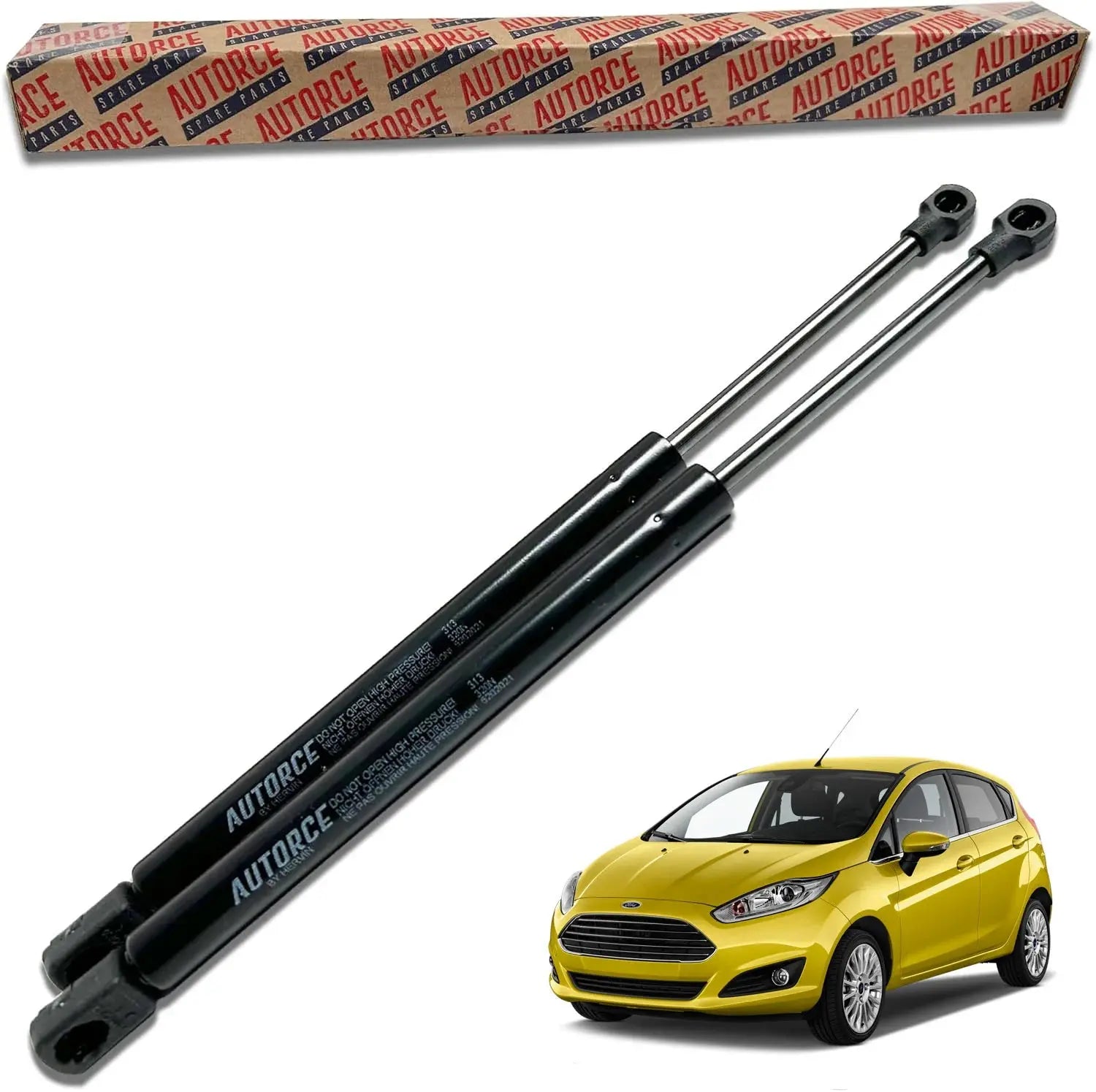
Vehicle gas springs are a critical component of modern vehicle design, providing the force necessary to lift, support, and control various parts of a car, truck, or other vehicle. Gas springs are commonly used in hoods, trunks, and tailgates, as well as in seats, doors, and other areas where controlled movement is necessary. In this article, we'll take a closer look at what gas springs are, how they work, and some of the key factors to consider when selecting and using them in your vehicle.
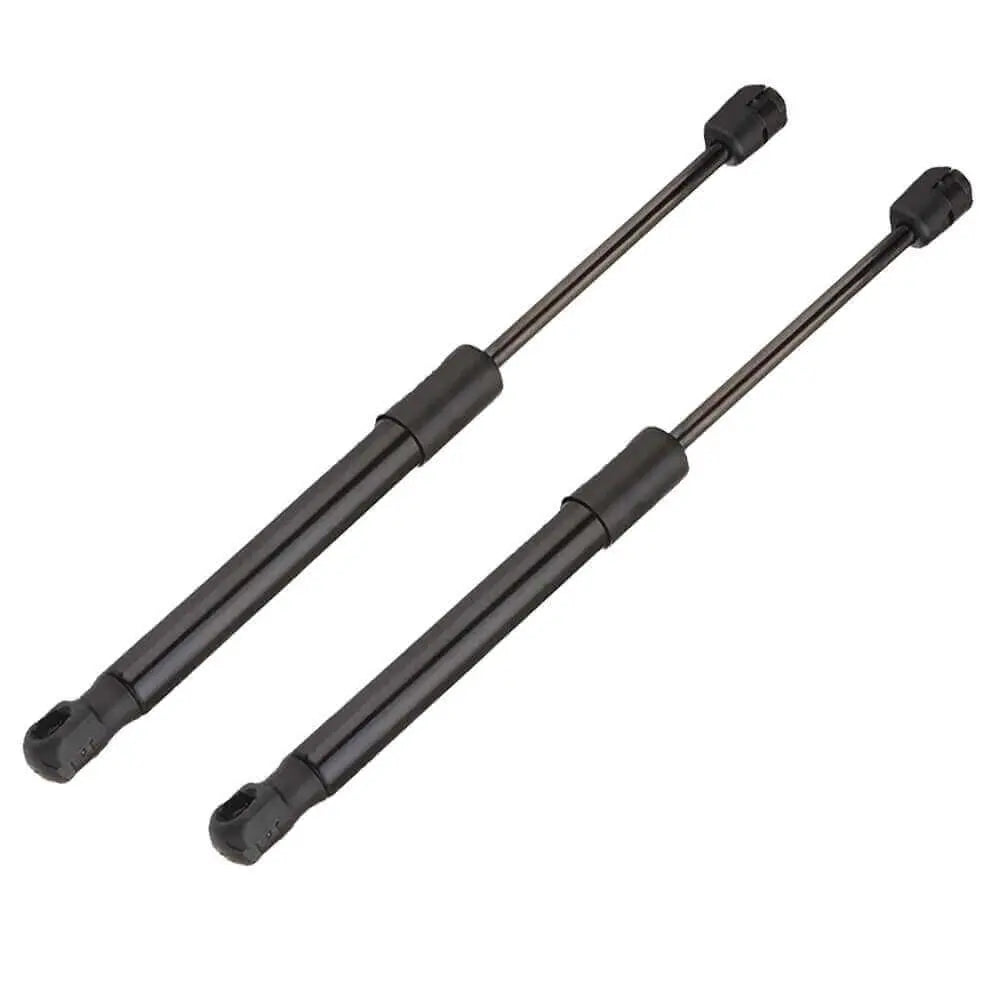
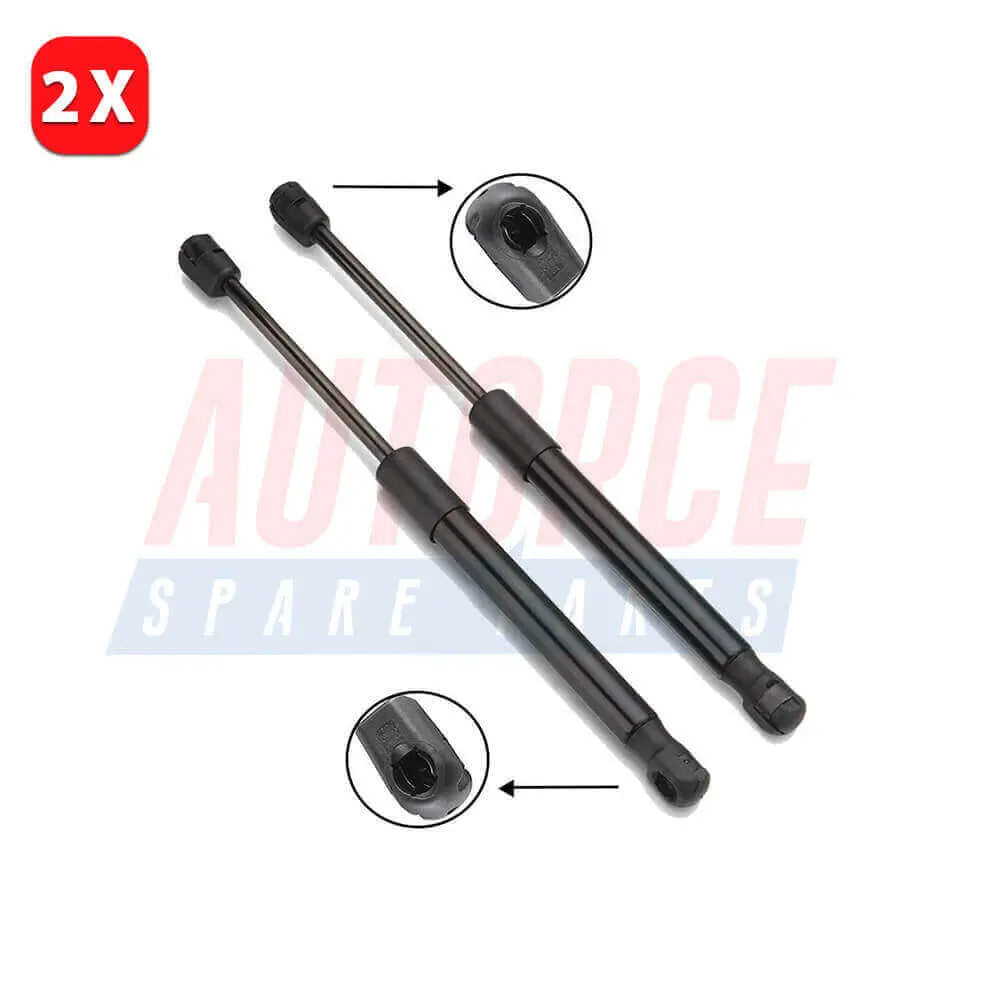
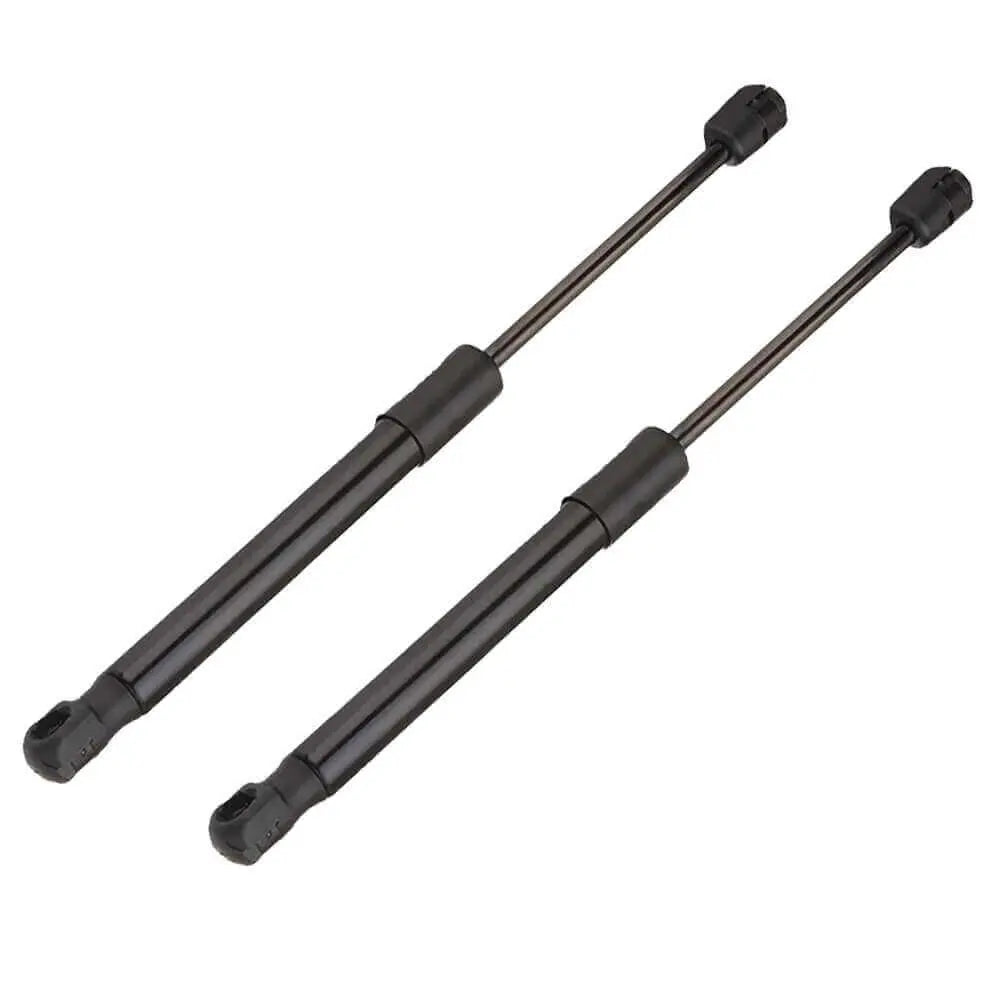
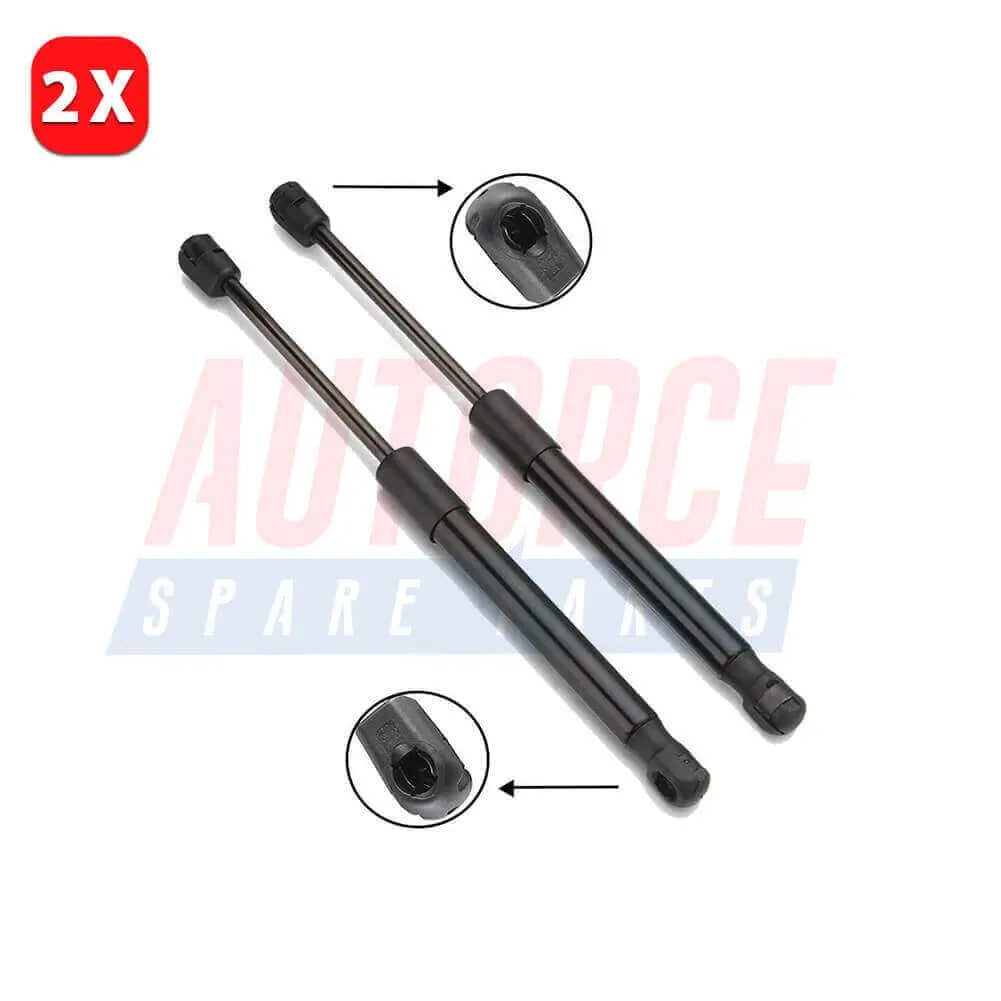
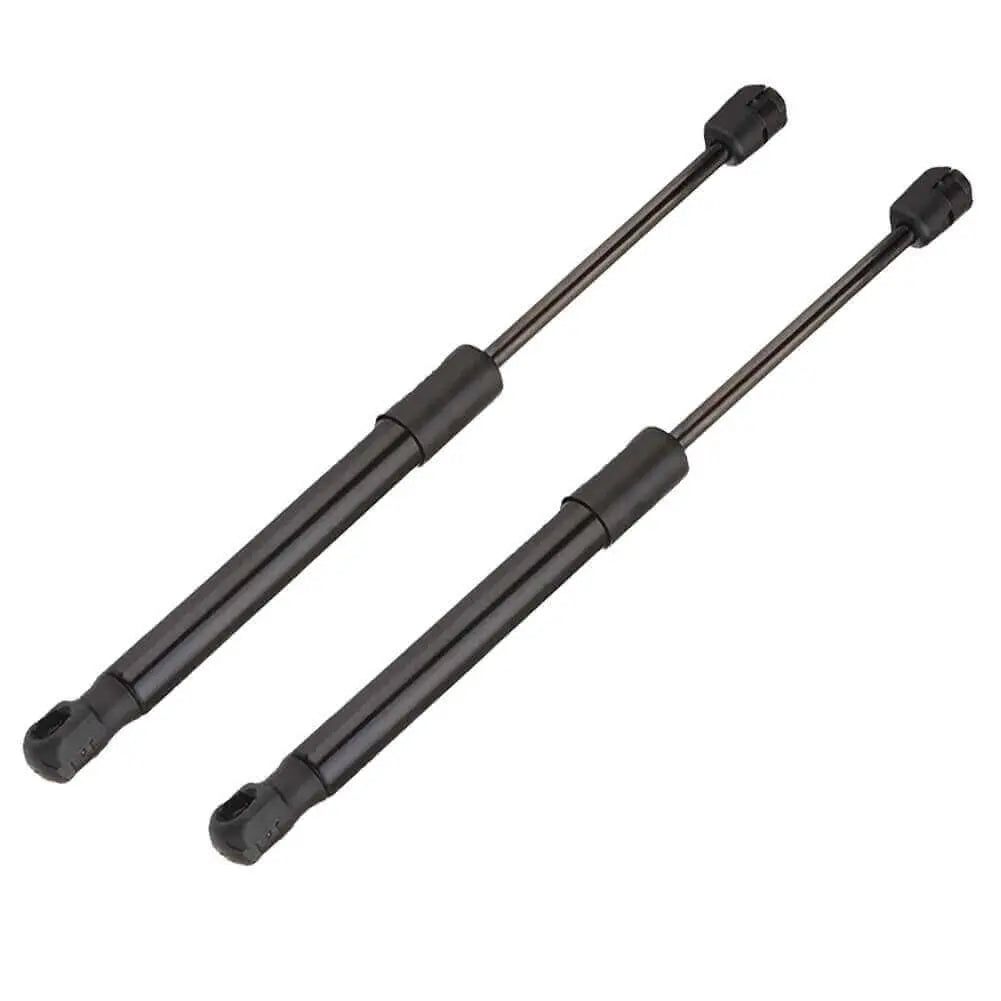
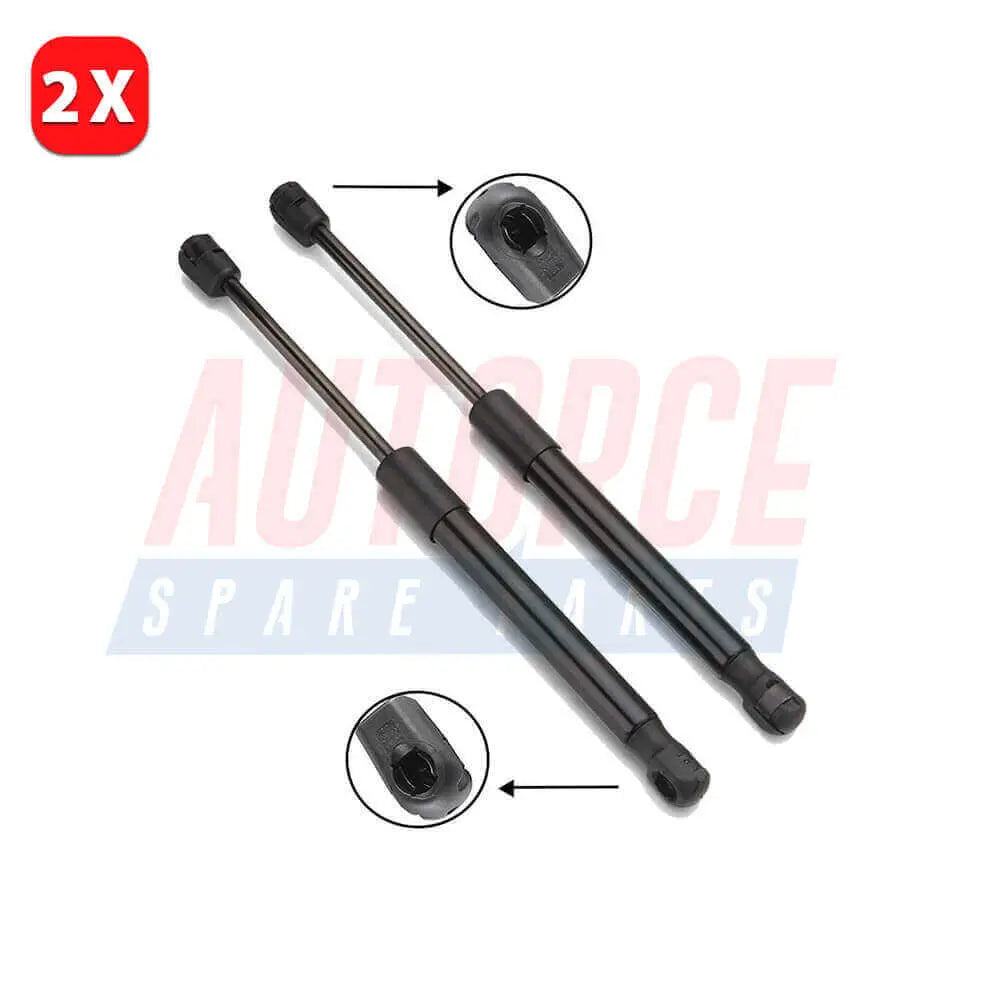
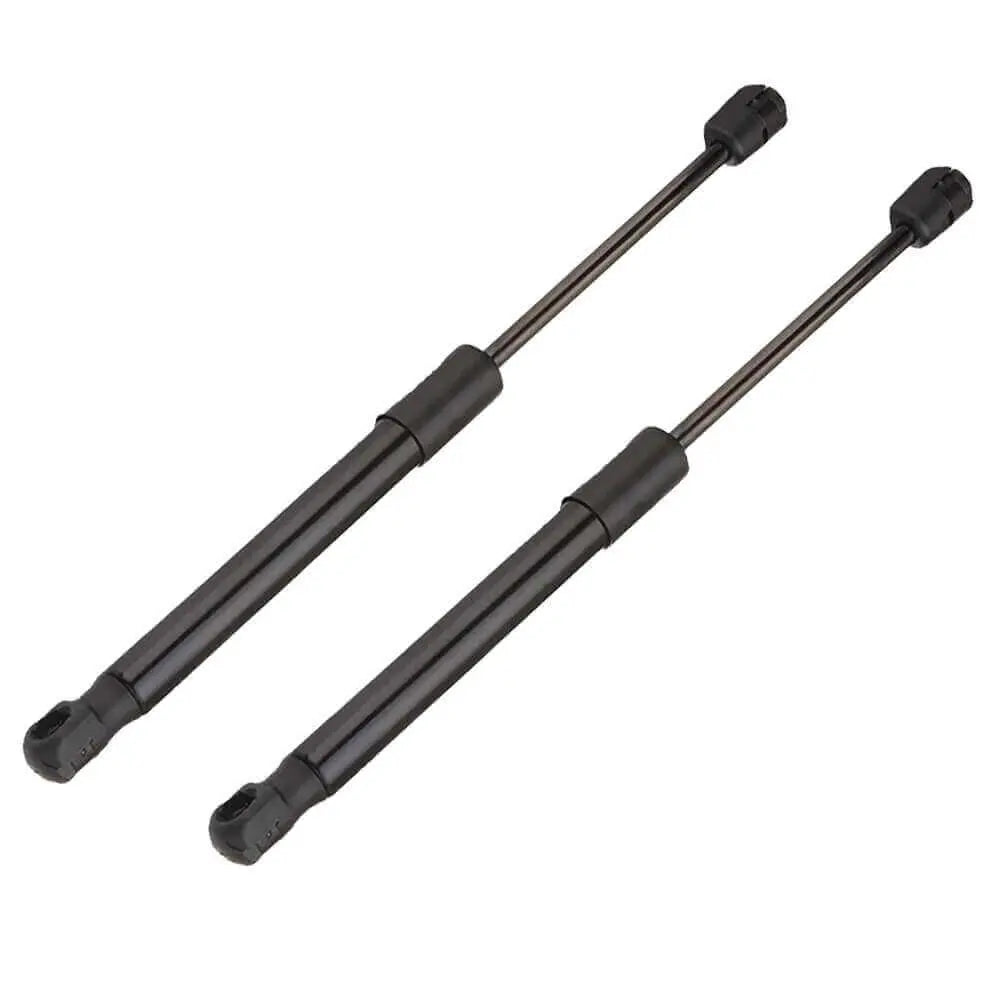
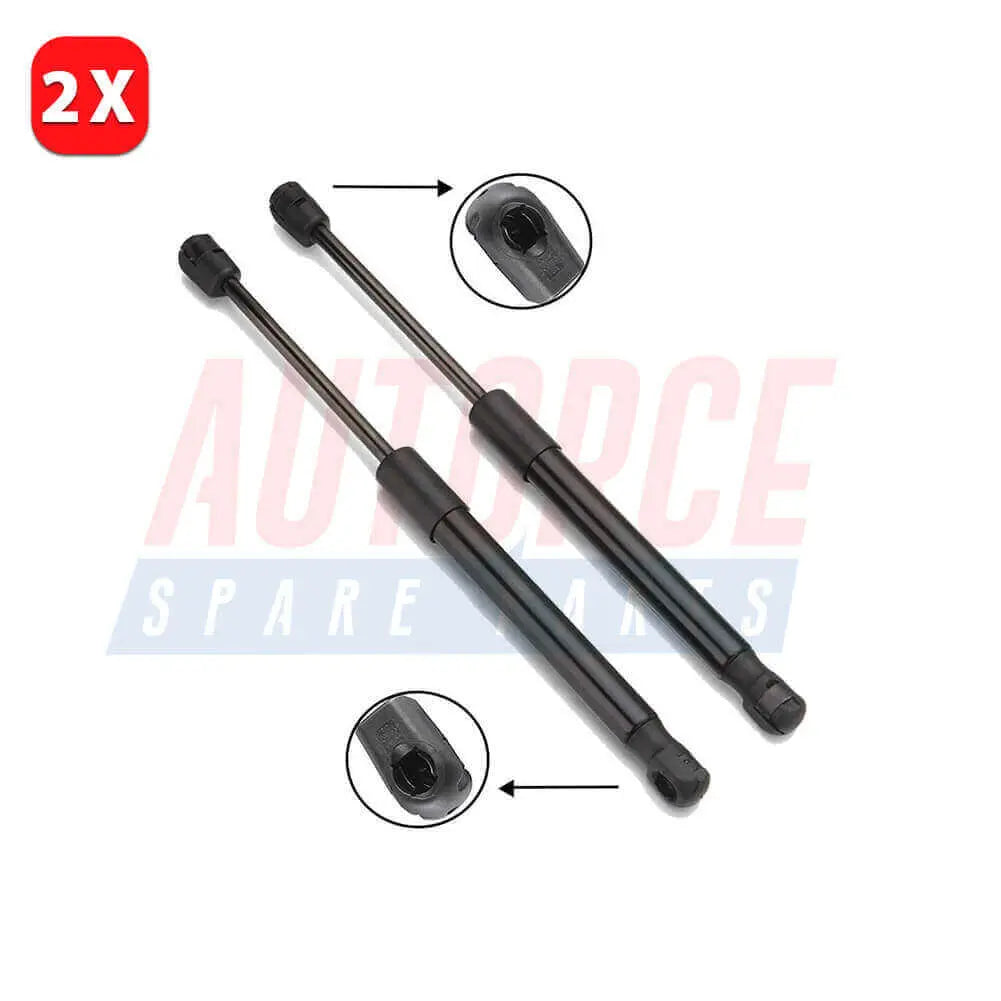
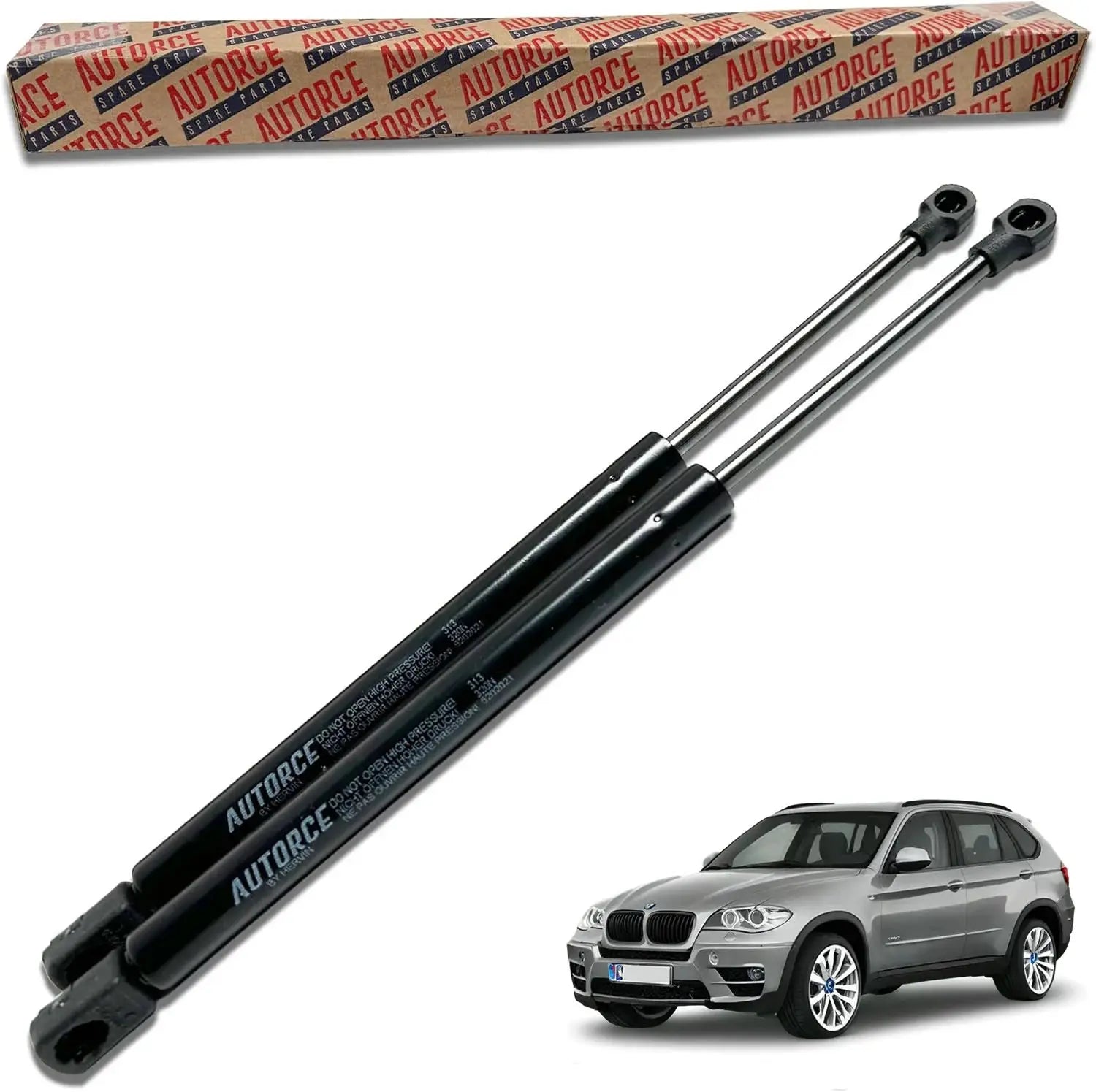
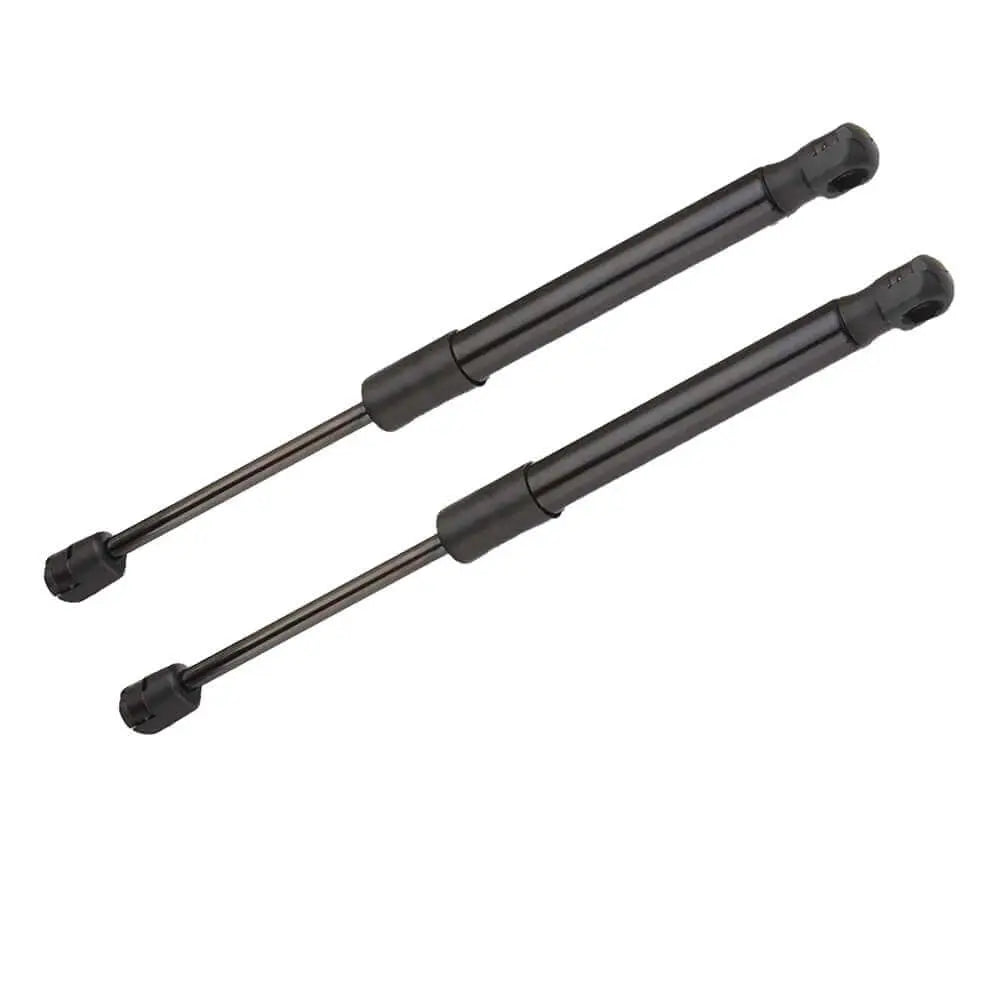
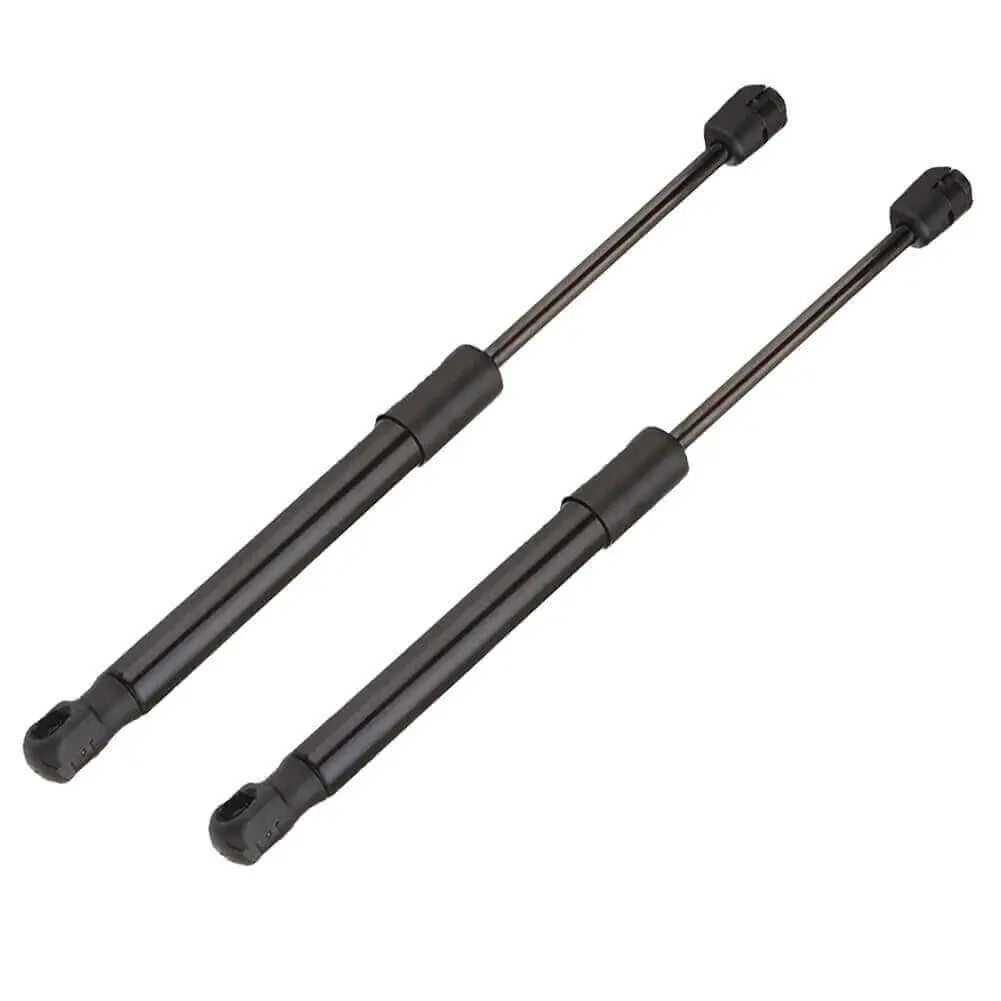
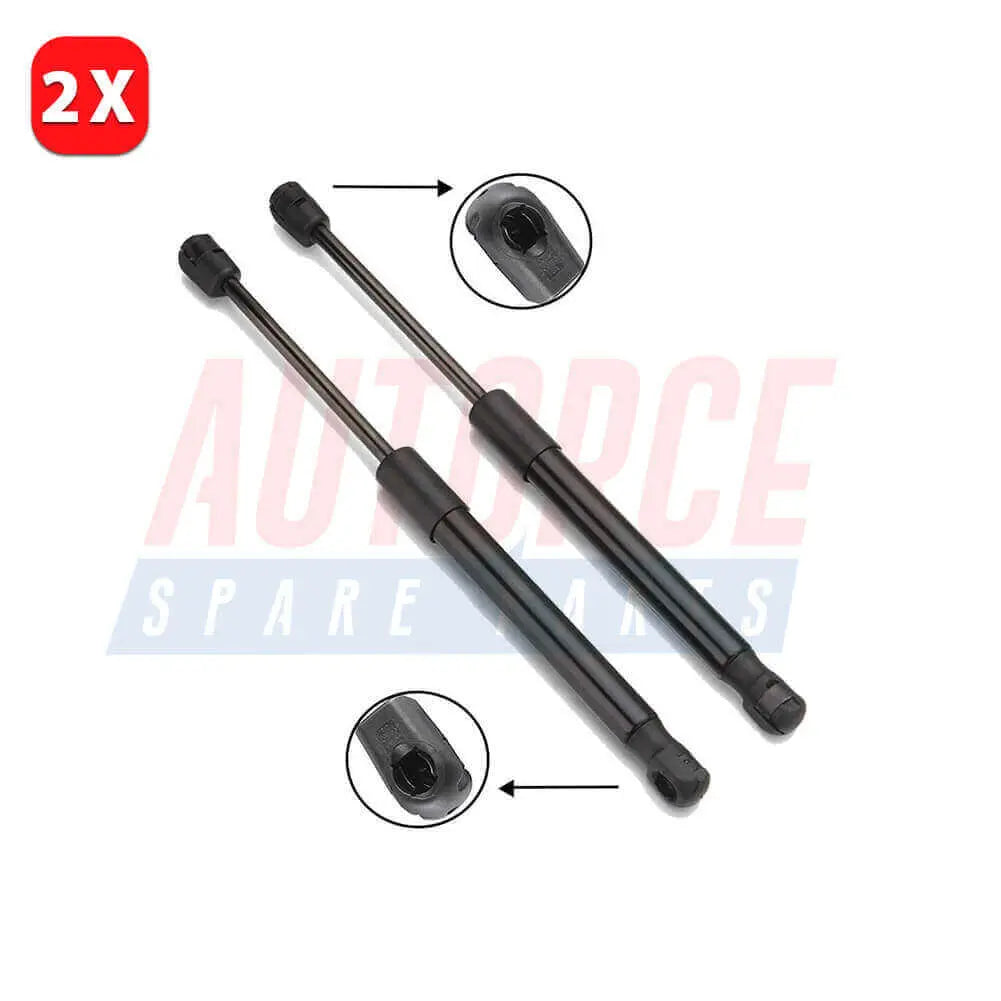
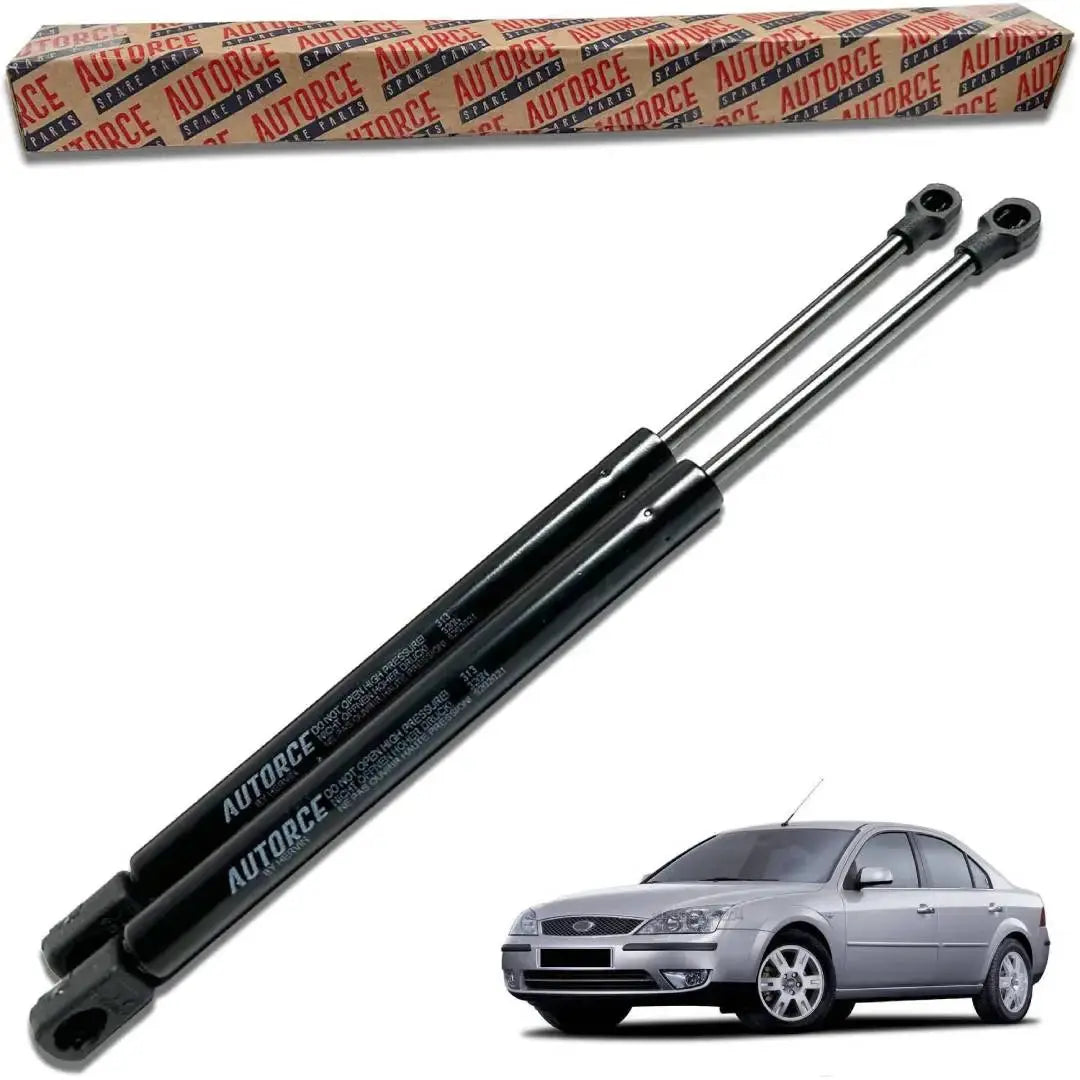
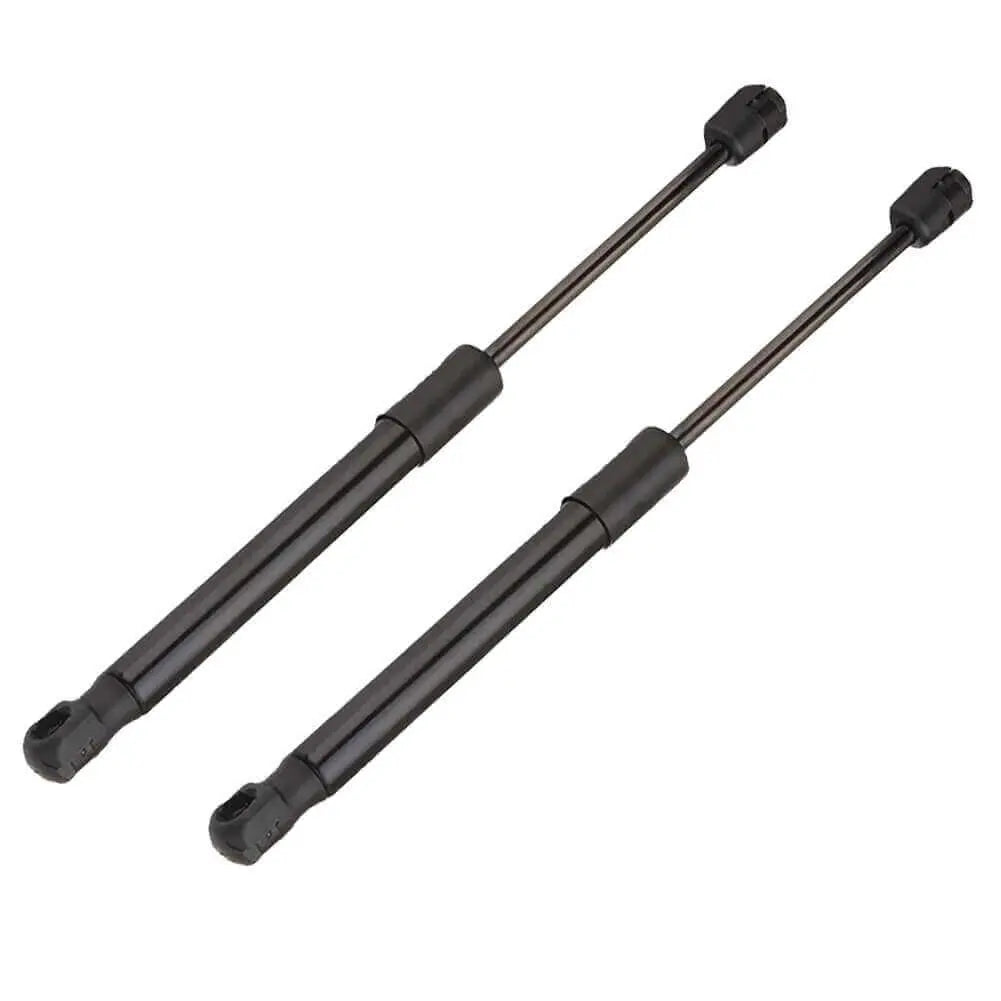
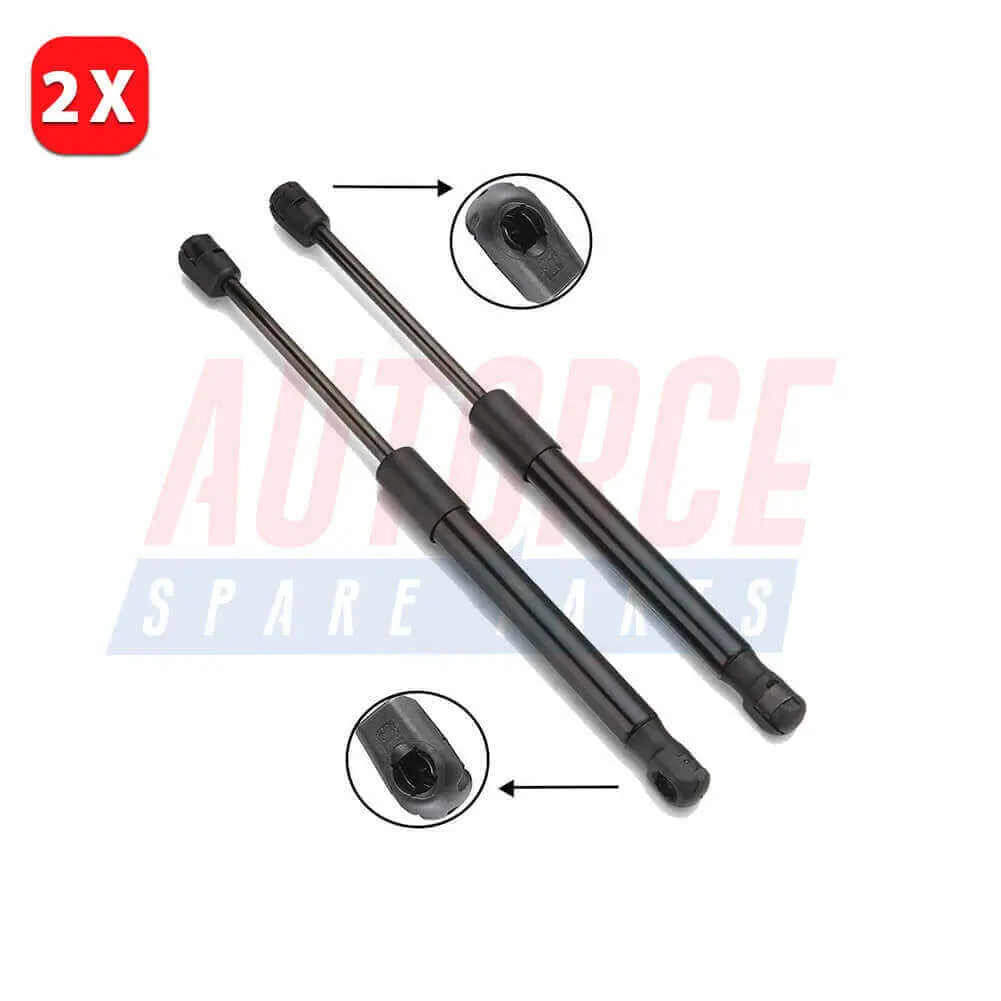
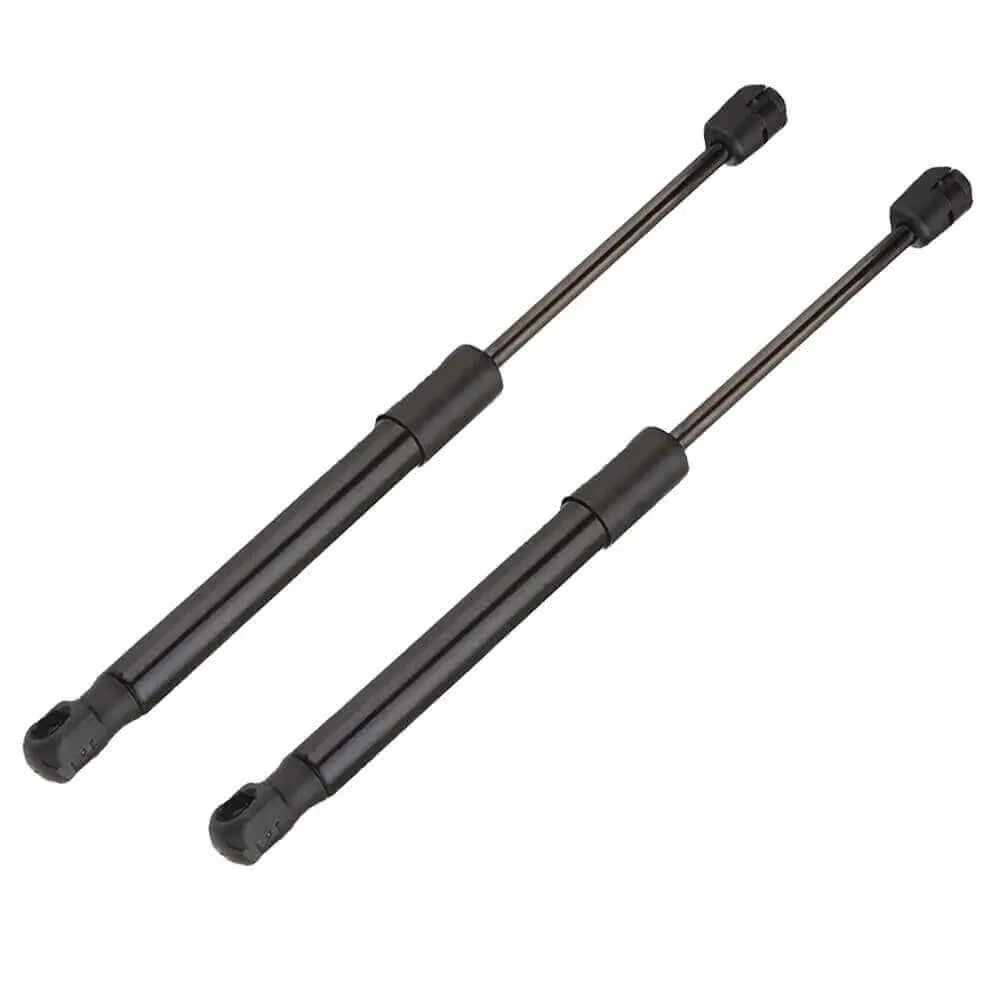
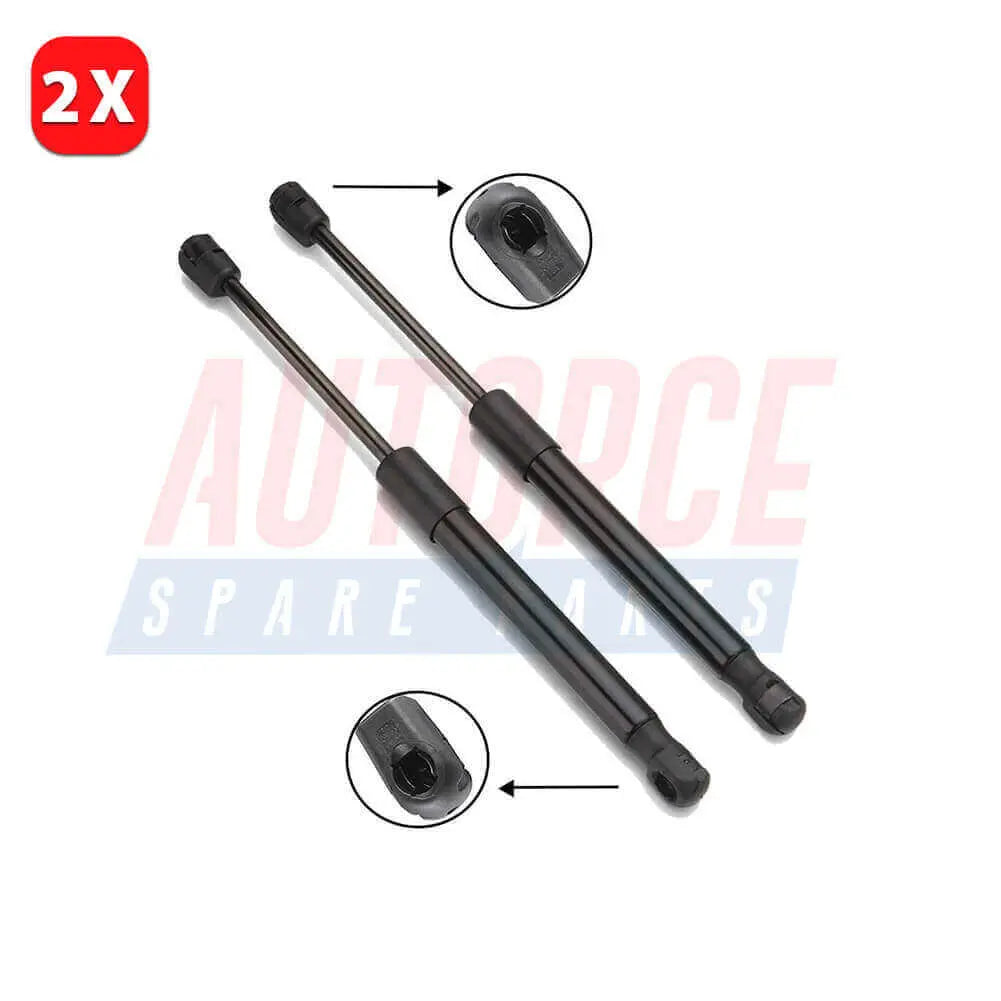
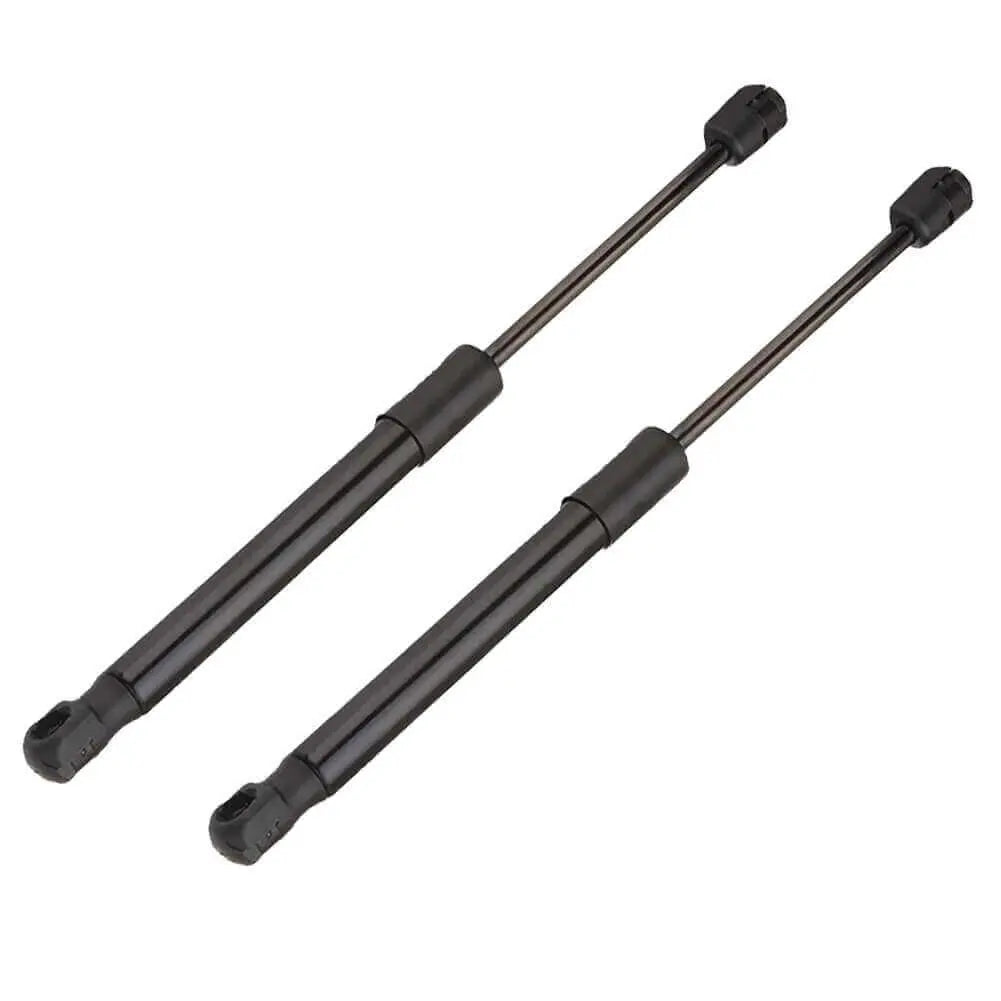
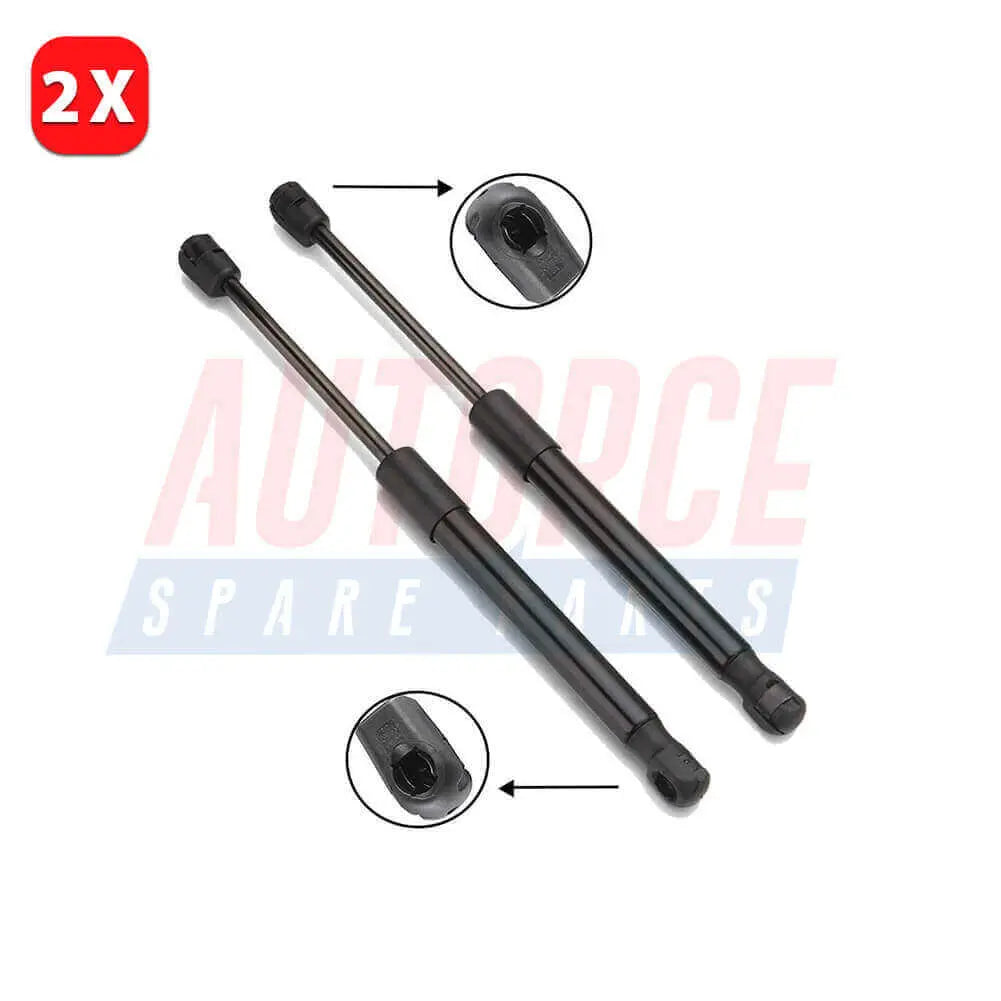
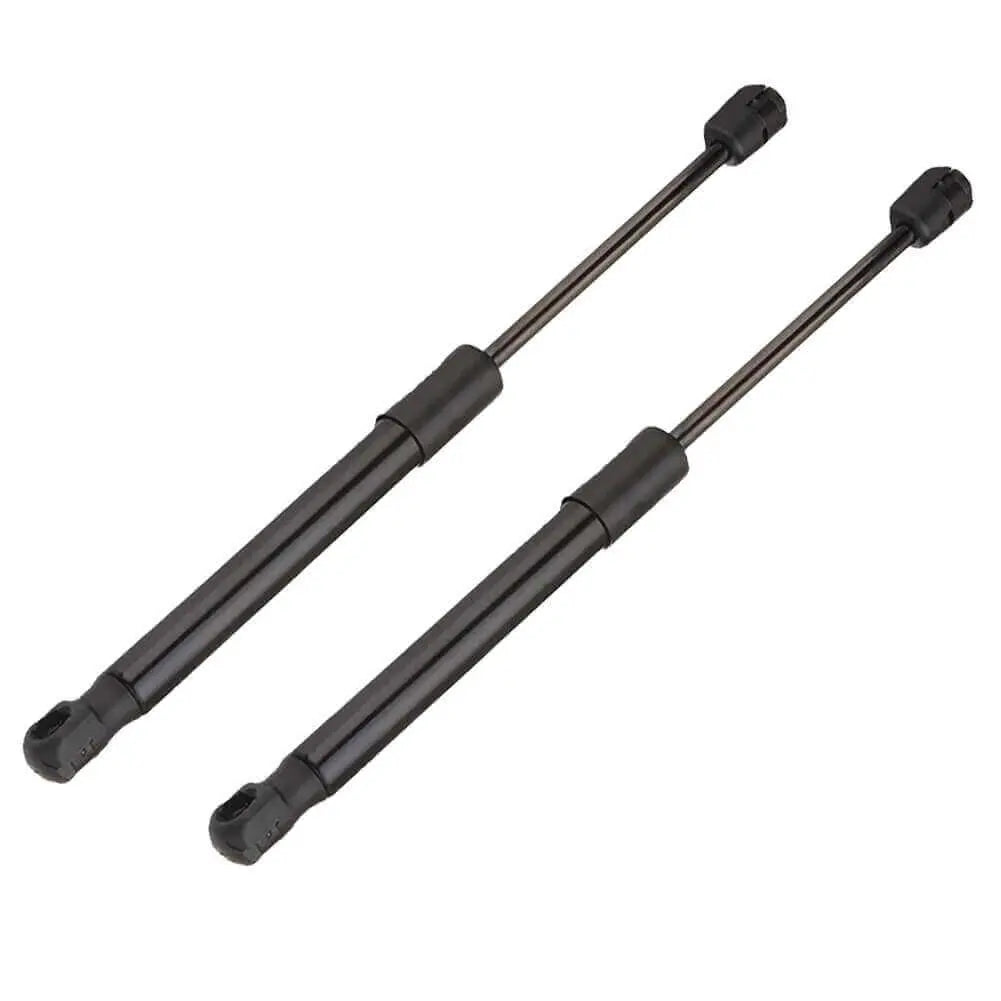
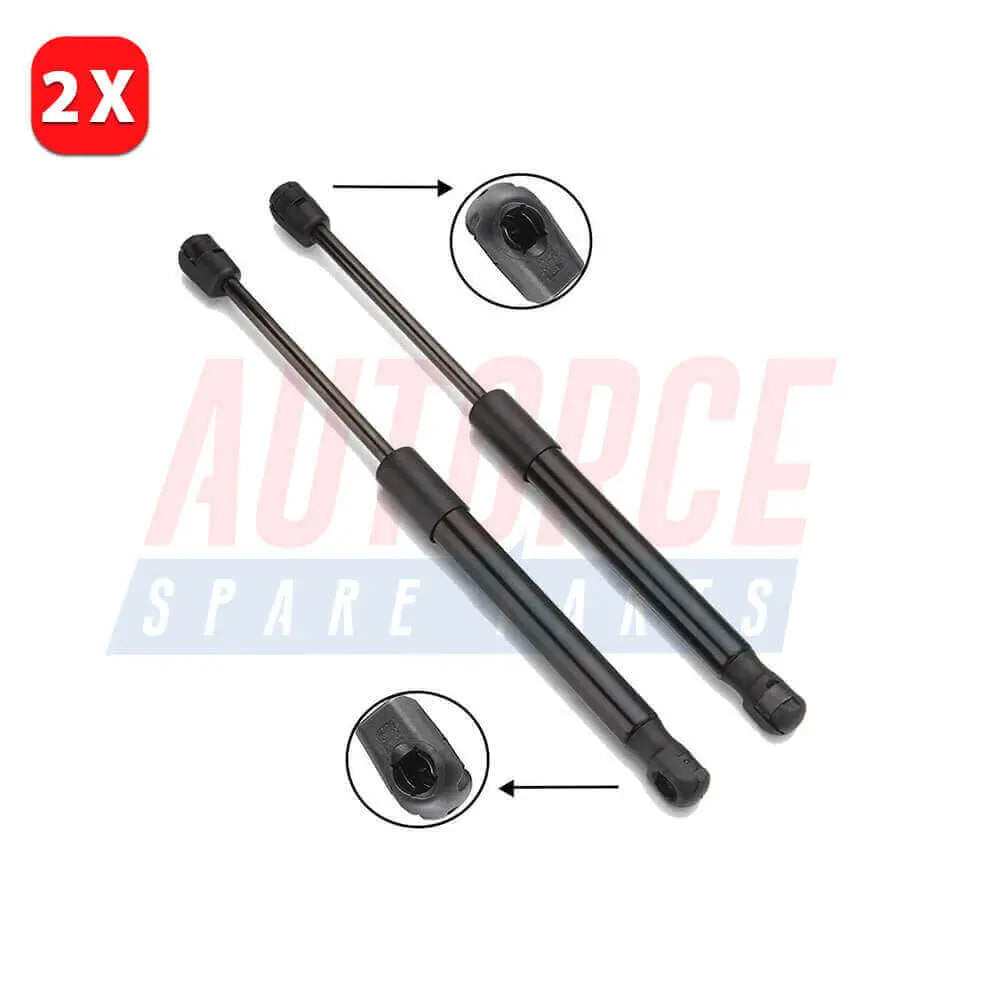
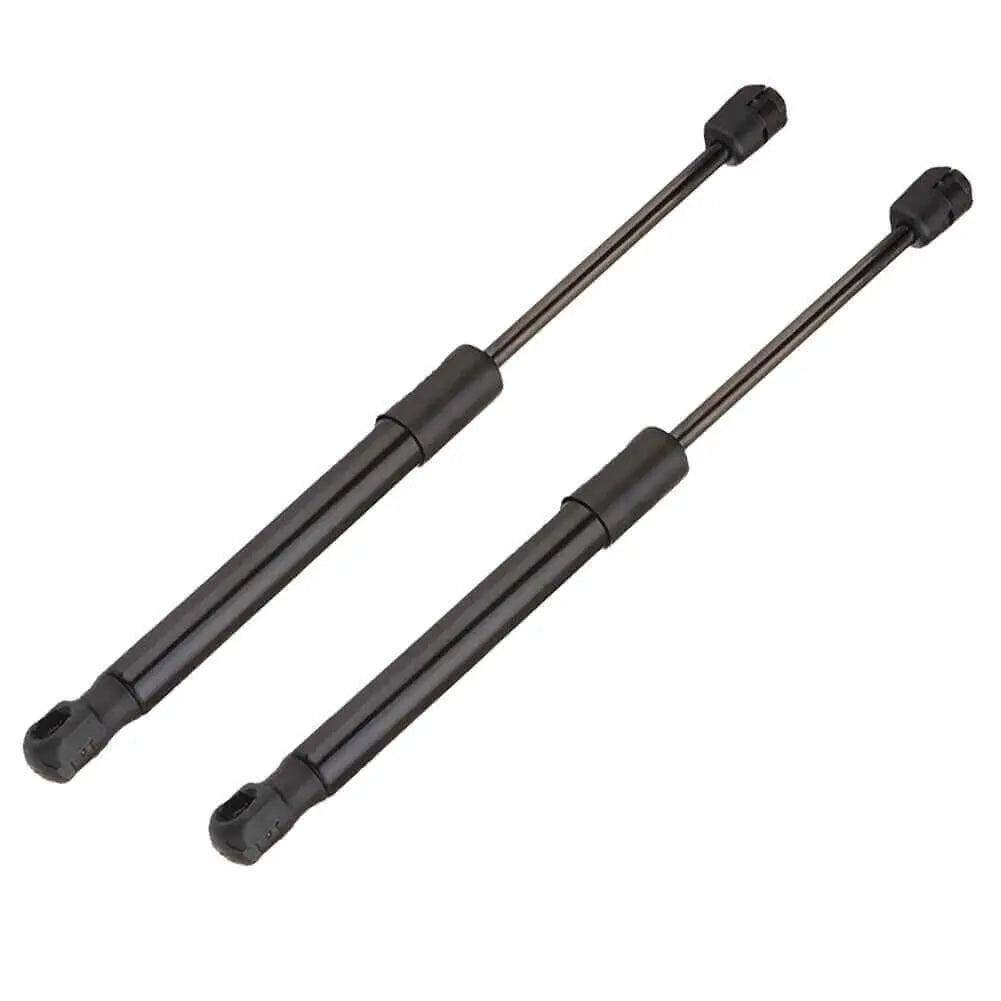
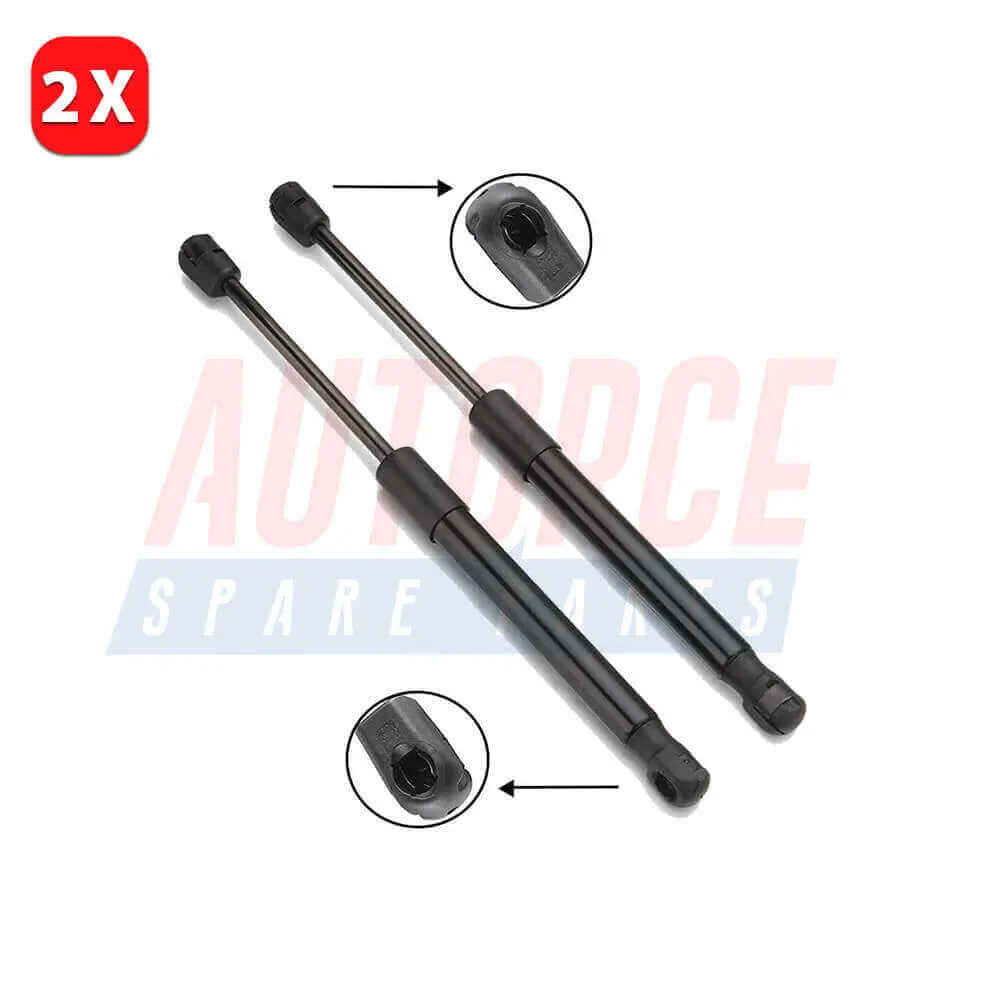
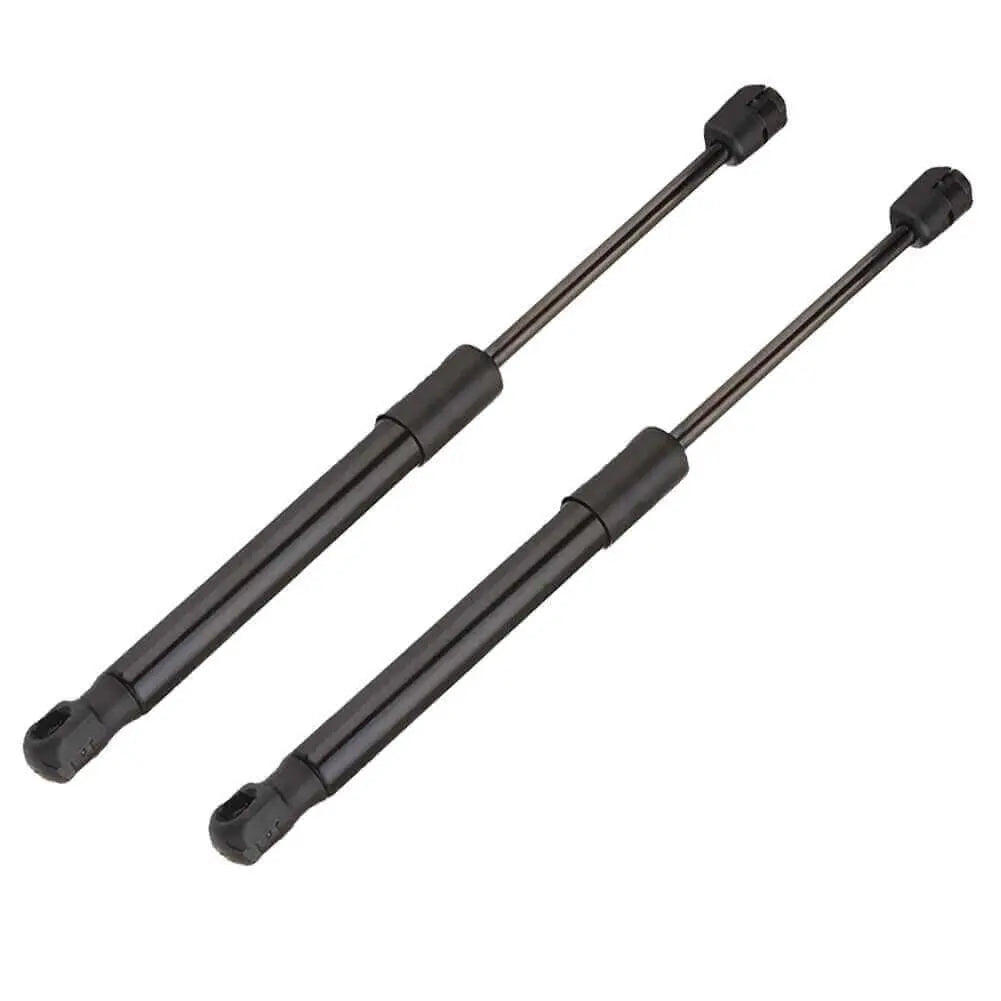
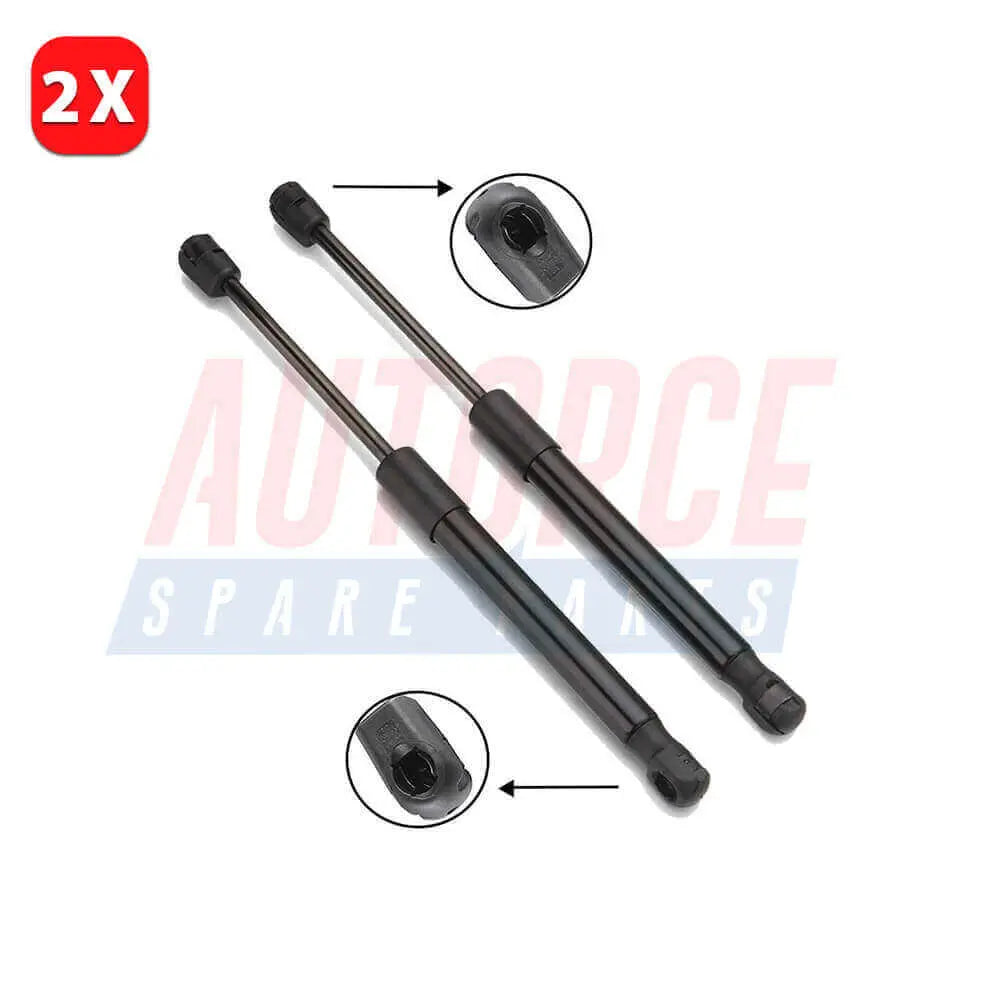
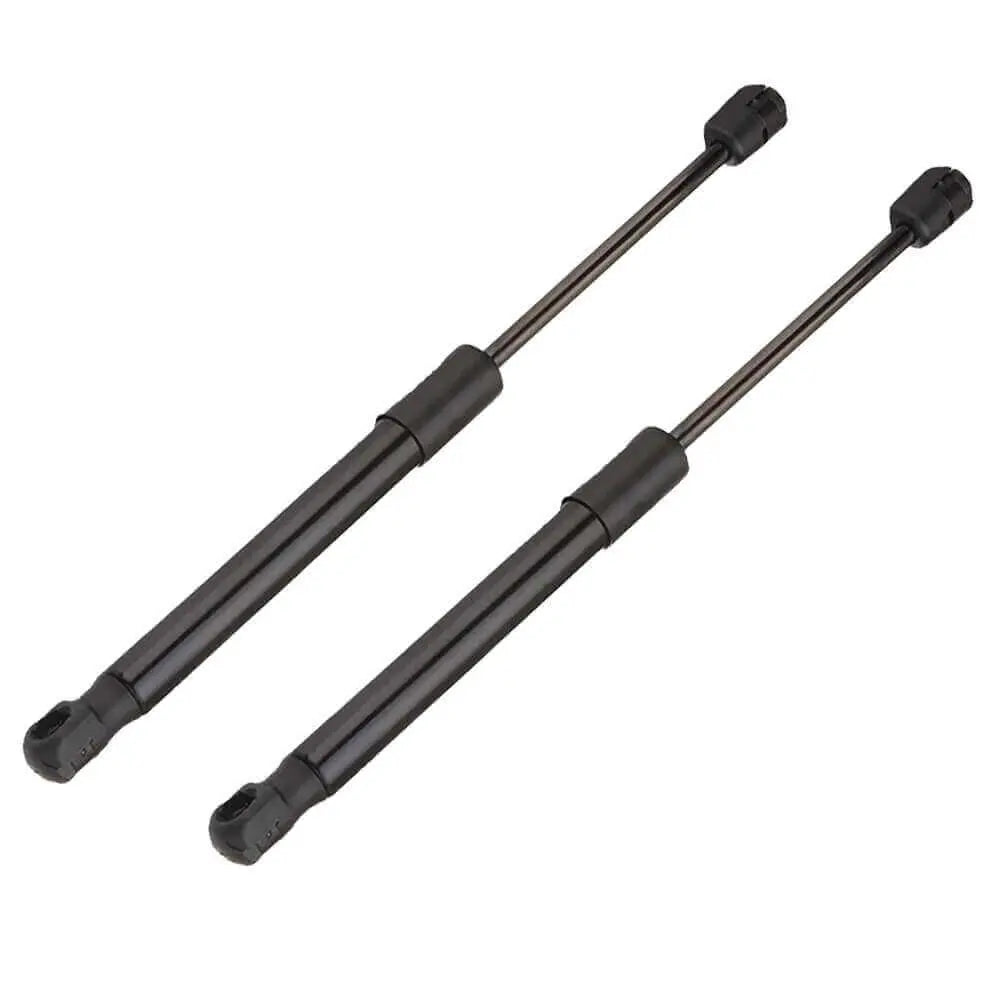
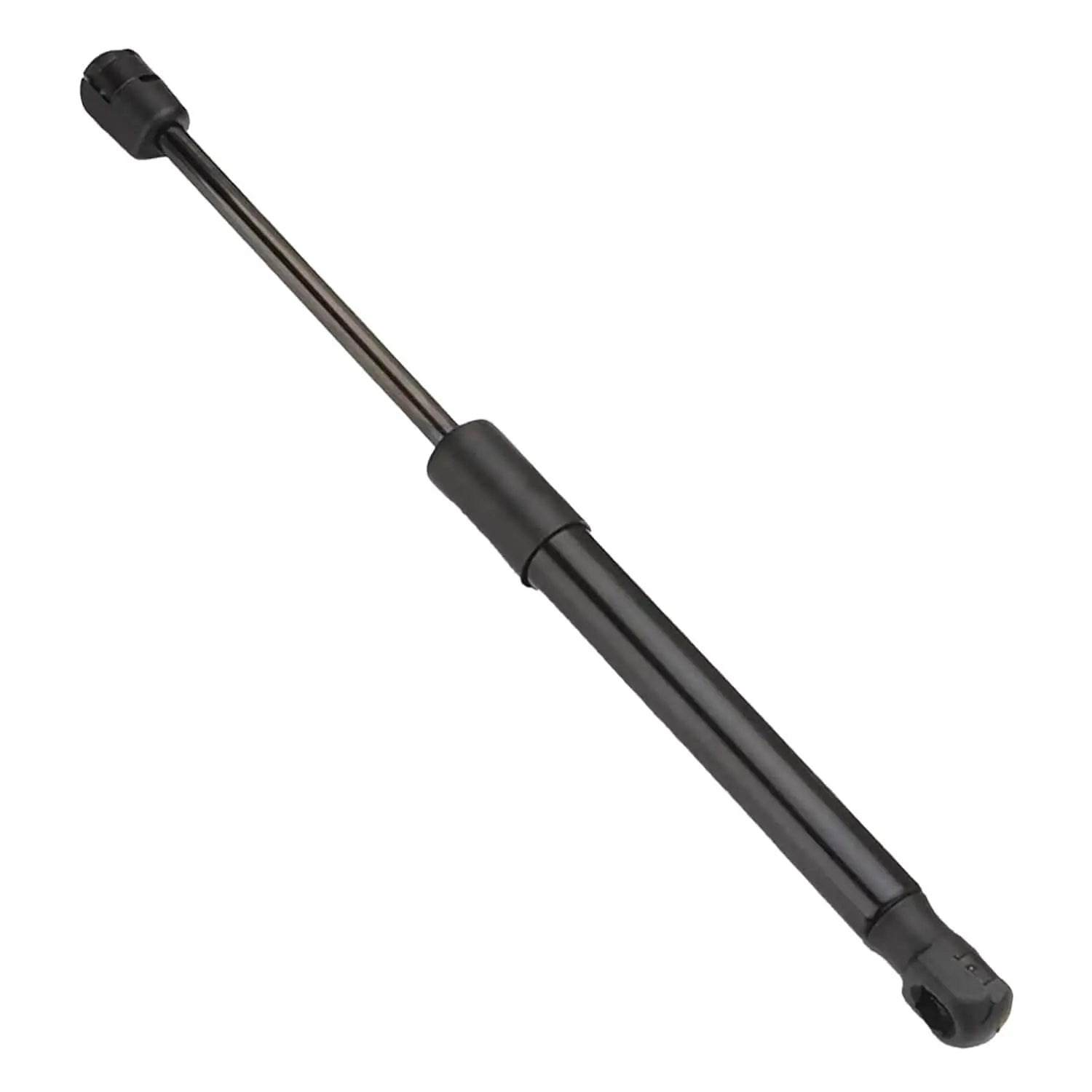
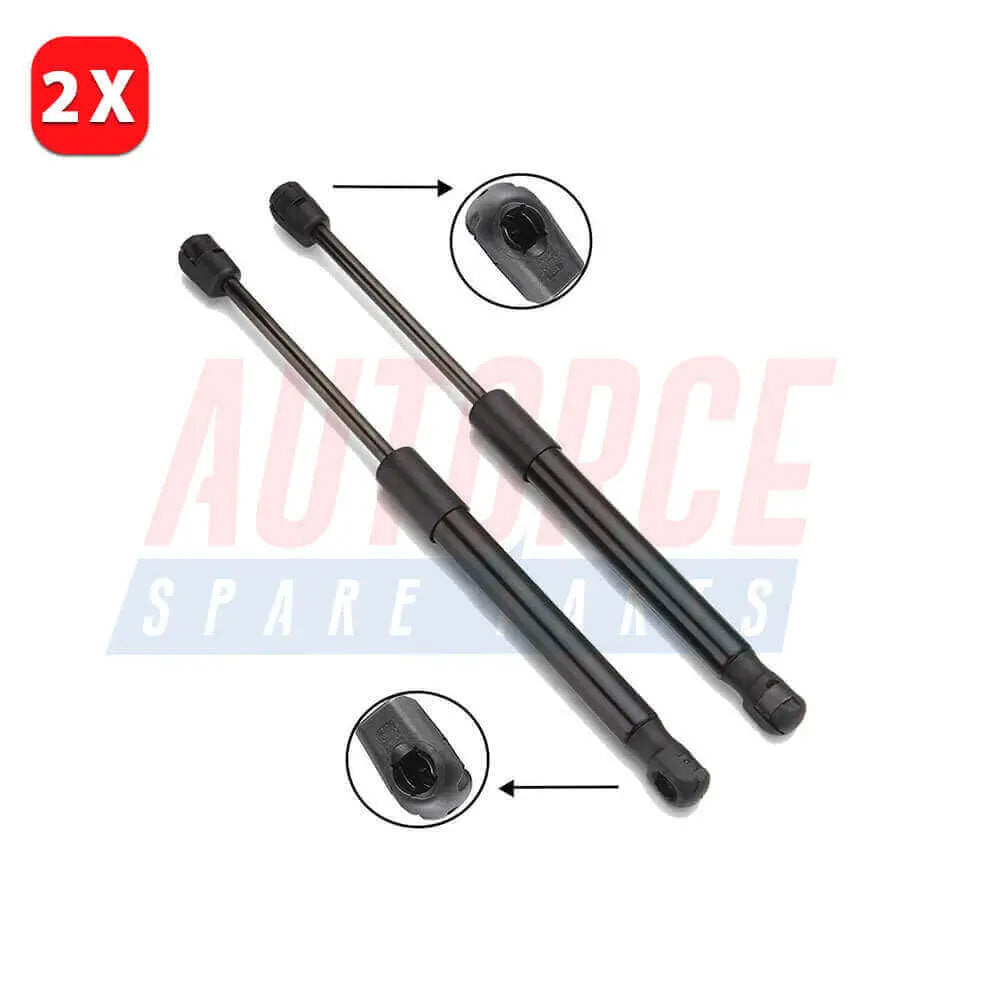
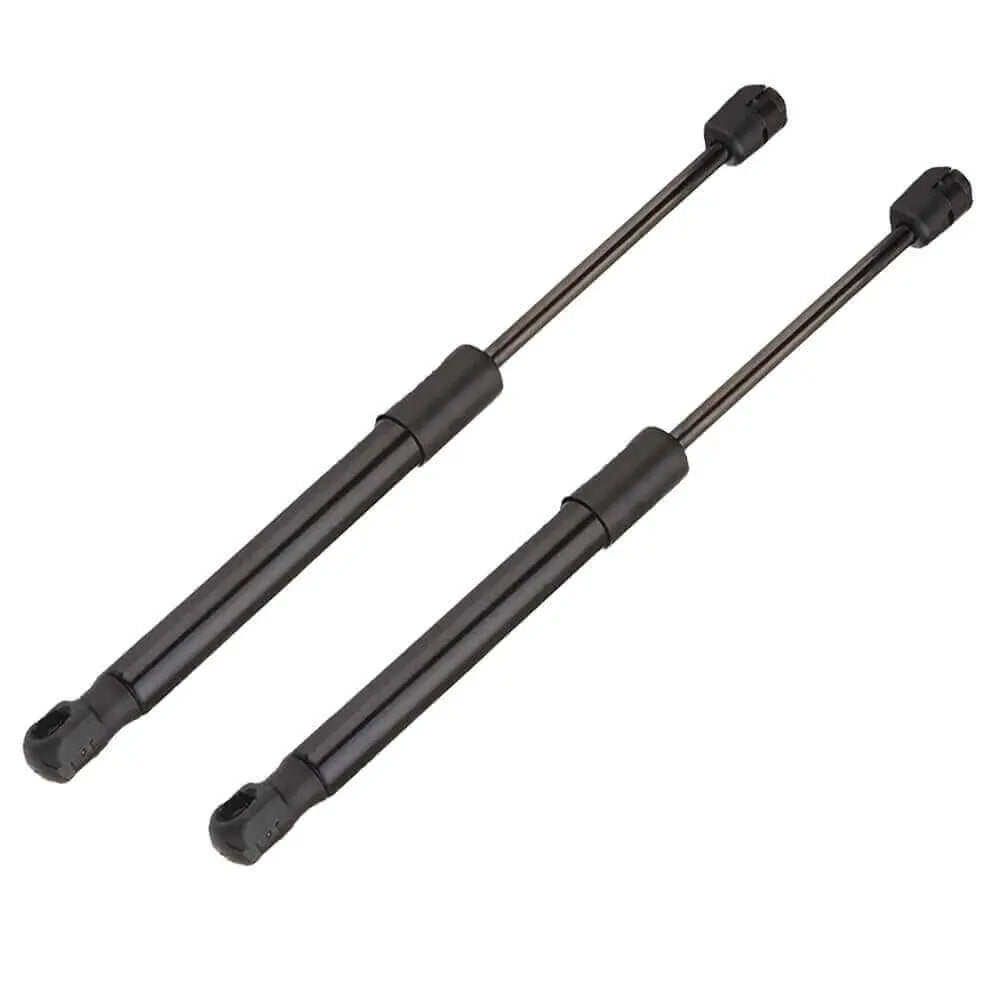
Gas springs are a type of hydraulic actuator that use compressed gas to generate force. They consist of a cylinder filled with a gas (typically nitrogen) and a piston that moves within the cylinder. The piston is attached to a rod that extends outside the cylinder and is used to push or pull on another object. When the gas inside the cylinder is compressed, it creates a force that pushes the piston and rod outward. When the gas is released, the piston and rod are pulled back into the cylinder.
Gas springs are typically designed with specific force and travel specifications. The force generated by a gas spring is determined by the size of the cylinder, the pressure of the gas inside it, and the area of the piston. The travel of a gas spring refers to the distance that the rod can move in and out of the cylinder. Gas springs are available in a wide range of sizes, forces, and travels, making them versatile and adaptable to many different applications.
How do Gas Springs Work in Vehicles?
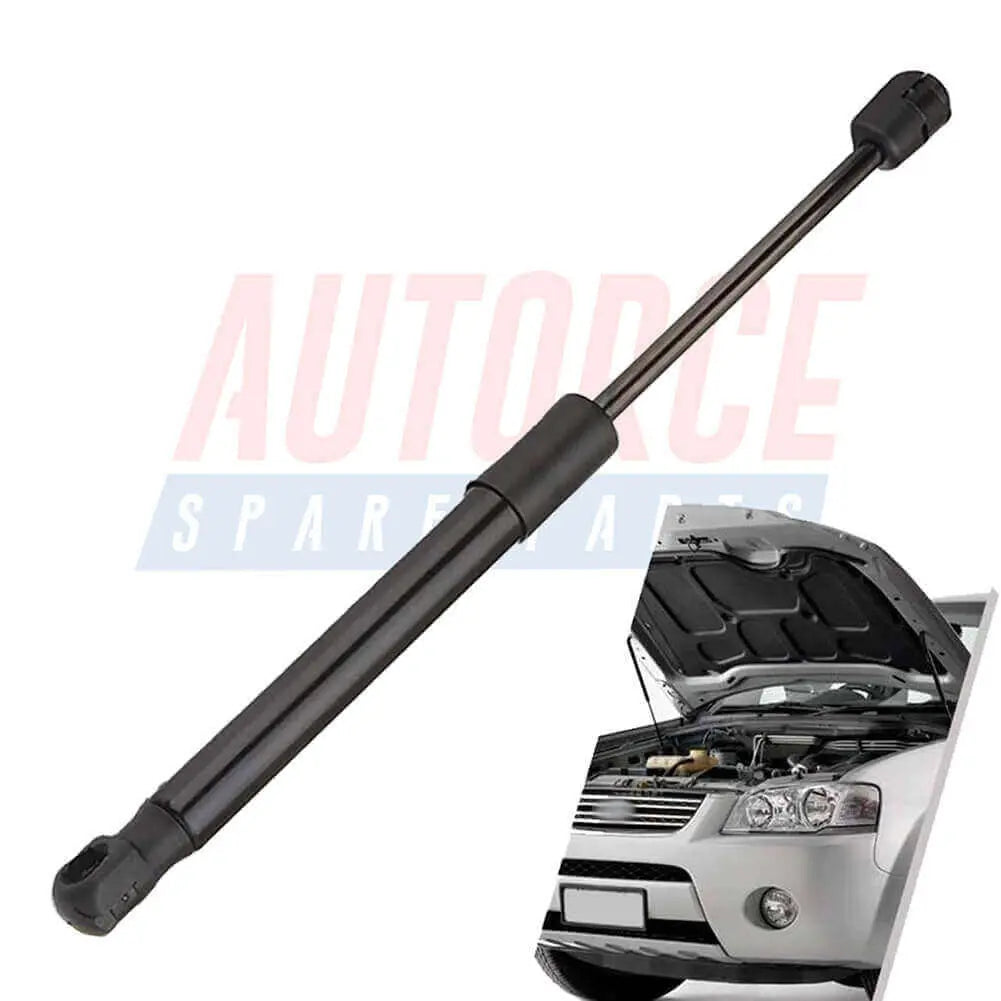
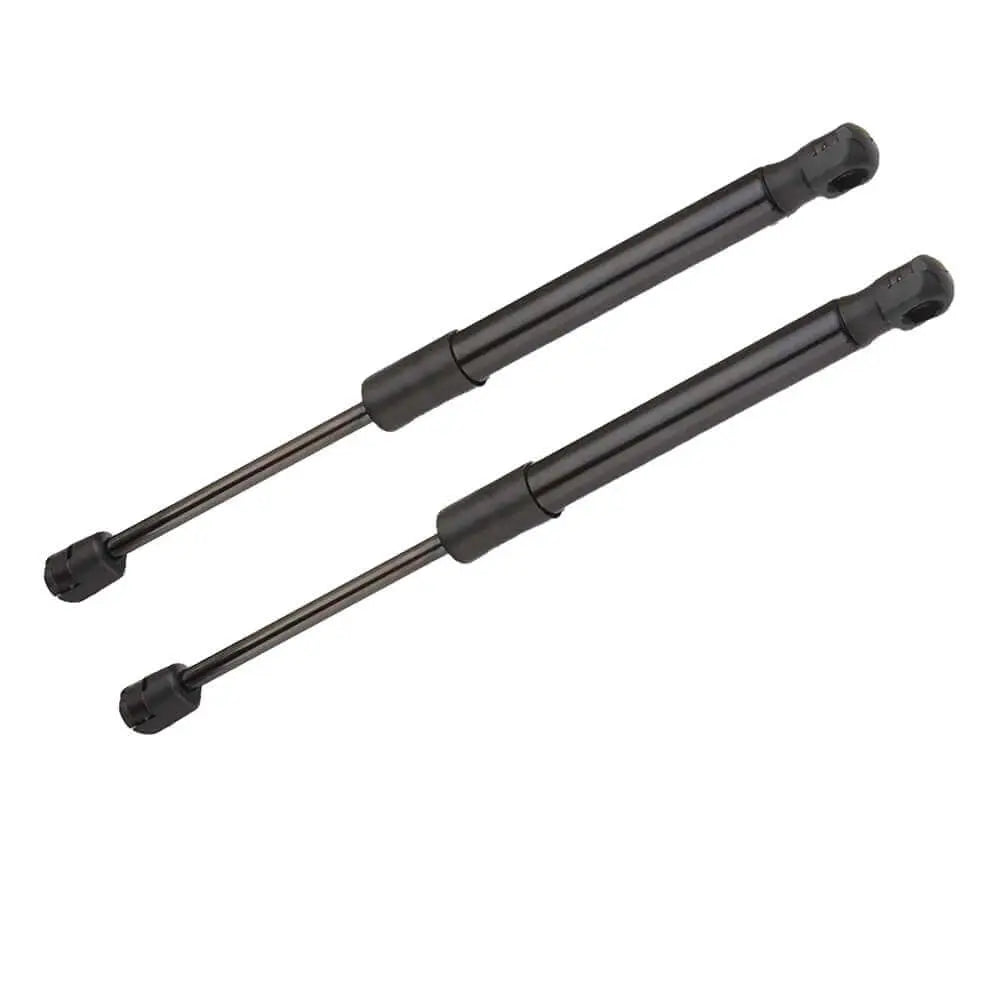
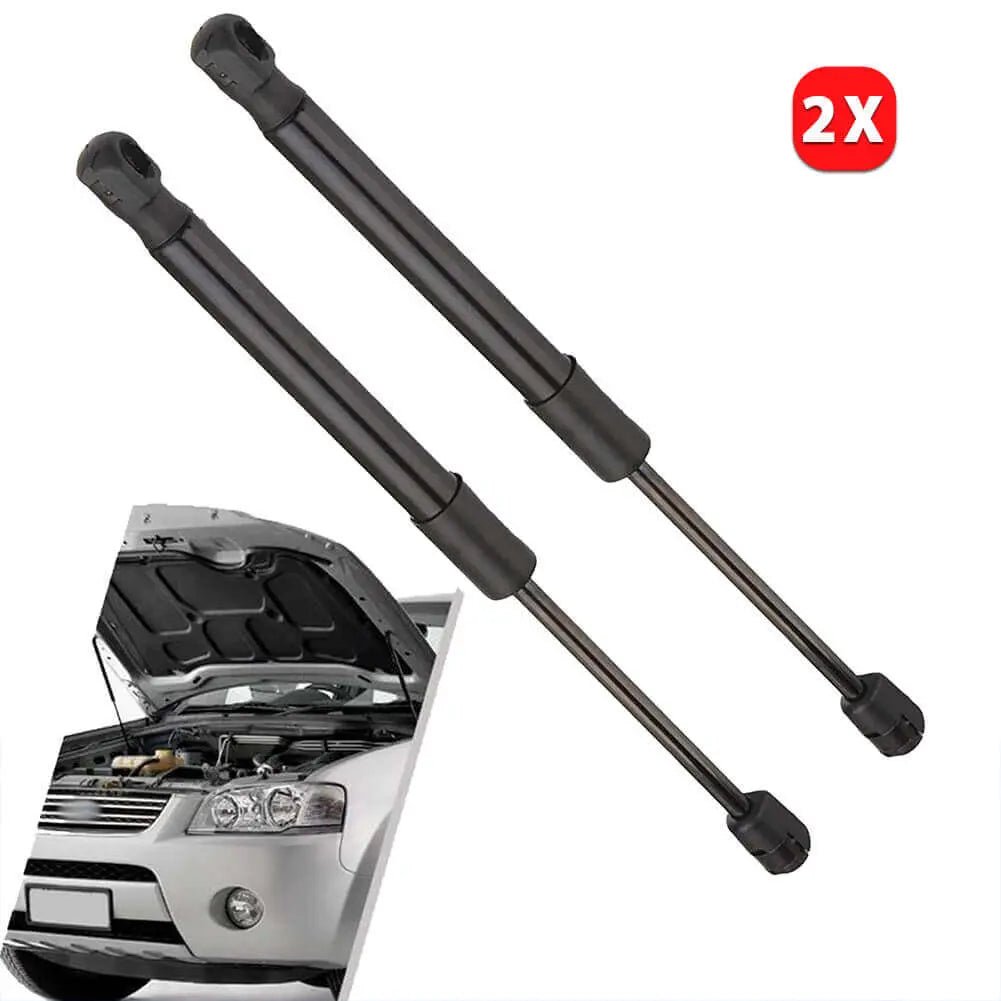
Gas springs are used in vehicles to provide controlled movement of various parts, such as hoods, trunks, and tailgates. In these applications, gas springs are typically installed in pairs, with one spring on each side of the part being lifted or supported. The gas springs are attached to the vehicle frame on one end and the part being lifted or supported on the other end.
When the part is opened or lifted, the gas springs extend, generating force to support the weight of the part and keep it in place. When the part is closed or lowered, the gas springs compress, providing a cushioning effect and controlling the rate at which the part moves. Gas springs can also be used in seats and other areas of the vehicle where controlled movement is necessary.
Factors to Consider When Using Gas Springs in Vehicles
When selecting and using gas springs in vehicles, there are several factors to consider to ensure optimal performance and safety. These include:
Load capacity: Gas springs must be rated to support the weight of the part they are lifting or supporting. It's important to choose a gas spring with a load capacity that matches the weight of the part, to ensure that it can be lifted and supported safely.
Travel distance: Gas springs should be selected based on the distance that the part needs to travel. The travel distance of the gas spring should be equal to or slightly greater than the distance the part needs to move.
Mounting orientation: Gas springs are designed to be mounted in specific orientations (e.g., horizontal or vertical), and should be installed according to the manufacturer's instructions.
Temperature range: Gas springs can be affected by temperature changes, and their performance can be impacted if they are used outside of their recommended temperature range.
Maintenance: Gas springs should be inspected regularly for signs of wear or damage, and should be replaced if they are no longer functioning properly.
Conclusion
Gas springs are an essential component of modern vehicle design, providing the force necessary to lift, support, and control various parts of a car, truck, or other vehicle. When selecting and using gas springs in vehicles, it's important to consider factors such as load capacity, travel distance, mounting orientation, temperature range, and maintenance requirements to ensure optimal performance and safety.
What are Gas Springs?
Gas springs are a type of hydraulic actuator that use compressed gas to generate force. They consist of a cylinder filled with a gas (typically nitrogen) and a piston that moves within the cylinder. The piston is attached to a rod that extends outside the cylinder and is used to push or pull on another object. When the gas inside the cylinder is compressed, it creates a force that pushes the piston and rod outward. When the gas is released, the piston and rod are pulled back into the cylinder.
Gas springs are typically designed with specific force and travel specifications. The force generated by a gas spring is determined by the size of the cylinder, the pressure of the gas inside it, and the area of the piston. The travel of a gas spring refers to the distance that the rod can move in and out of the cylinder. Gas springs are available in a wide range of sizes, forces, and travels, making them versatile and adaptable to many different applications.
How do Gas Springs Work in Vehicles?
Gas springs are used in vehicles to provide controlled movement of various parts, such as hoods, trunks, and tailgates. In these applications, gas springs are typically installed in pairs, with one spring on each side of the part being lifted or supported. The gas springs are attached to the vehicle frame on one end and the part being lifted or supported on the other end.
When the part is opened or lifted, the gas springs extend, generating force to support the weight of the part and keep it in place. When the part is closed or lowered, the gas springs compress, providing a cushioning effect and controlling the rate at which the part moves. Gas springs can also be used in seats and other areas of the vehicle where controlled movement is necessary.
Factors to Consider When Using Gas Springs in Vehicles
When selecting and using gas springs in vehicles, there are several factors to consider to ensure optimal performance and safety. These include:
Load capacity: Gas springs must be rated to support the weight of the part they are lifting or supporting. It's important to choose a gas spring with a load capacity that matches the weight of the part, to ensure that it can be lifted and supported safely.
Travel distance: Gas springs should be selected based on the distance that the part needs to travel. The travel distance of the gas spring should be equal to or slightly greater than the distance the part needs to move.
Mounting orientation: Gas springs are designed to be mounted in specific orientations (e.g., horizontal or vertical), and should be installed according to the manufacturer's instructions.
Temperature range: Gas springs can be affected by temperature changes, and their performance can be impacted if they are used outside of their recommended temperature range.
Maintenance: Gas springs should be inspected regularly for signs of wear or damage, and should be replaced if they are no longer functioning properly.
Conclusion
Gas springs are an essential component of modern vehicle design, providing the force necessary to lift, support, and control various parts of a car, truck, or other vehicle. When selecting and using gas springs in vehicles, it's important to consider factors such as load capacity, travel distance, mounting orientation, temperature range, and maintenance requirements to ensure optimal performance and safety.
Showing 145 - 168 of 265 products
Display
View


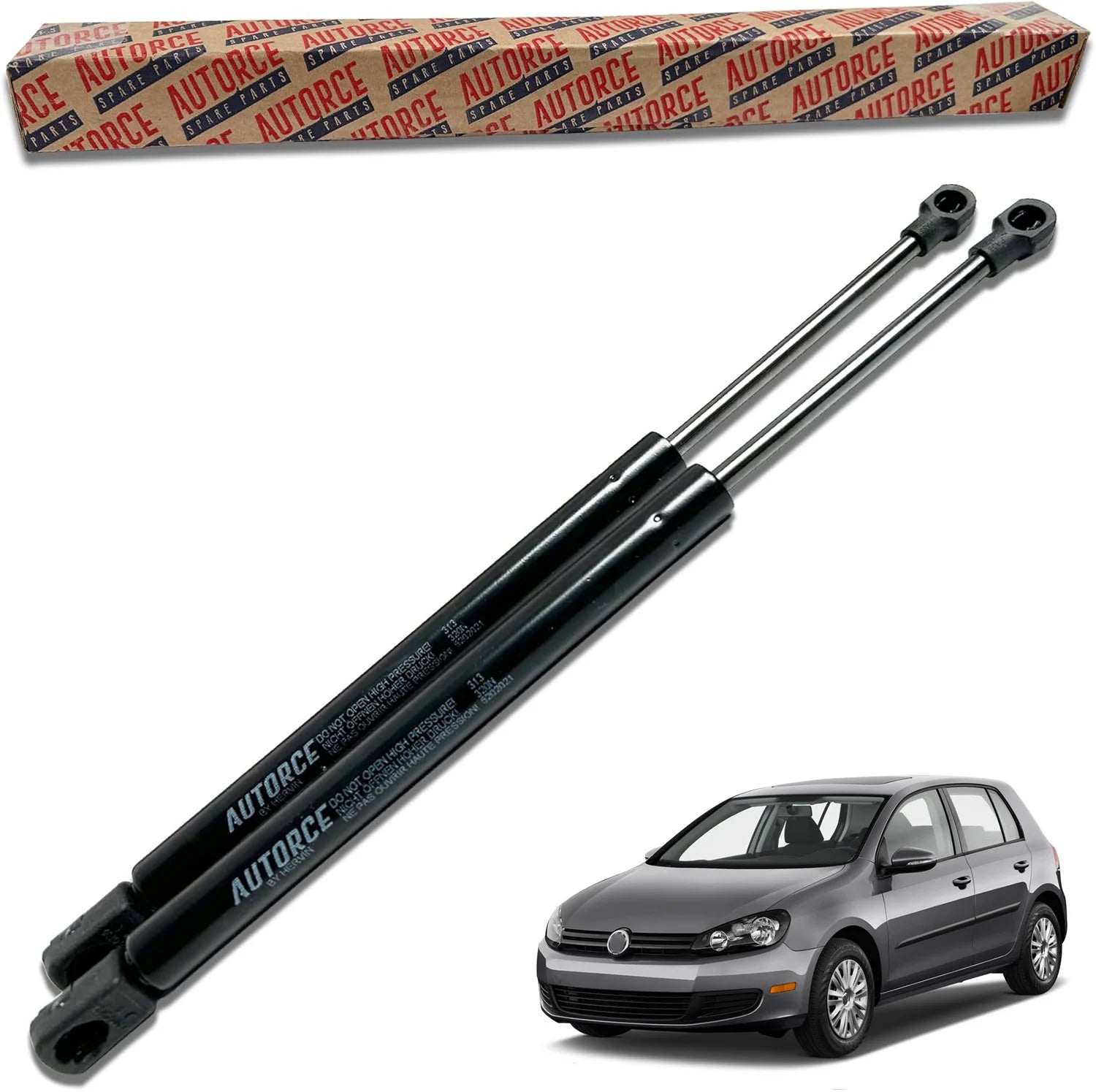
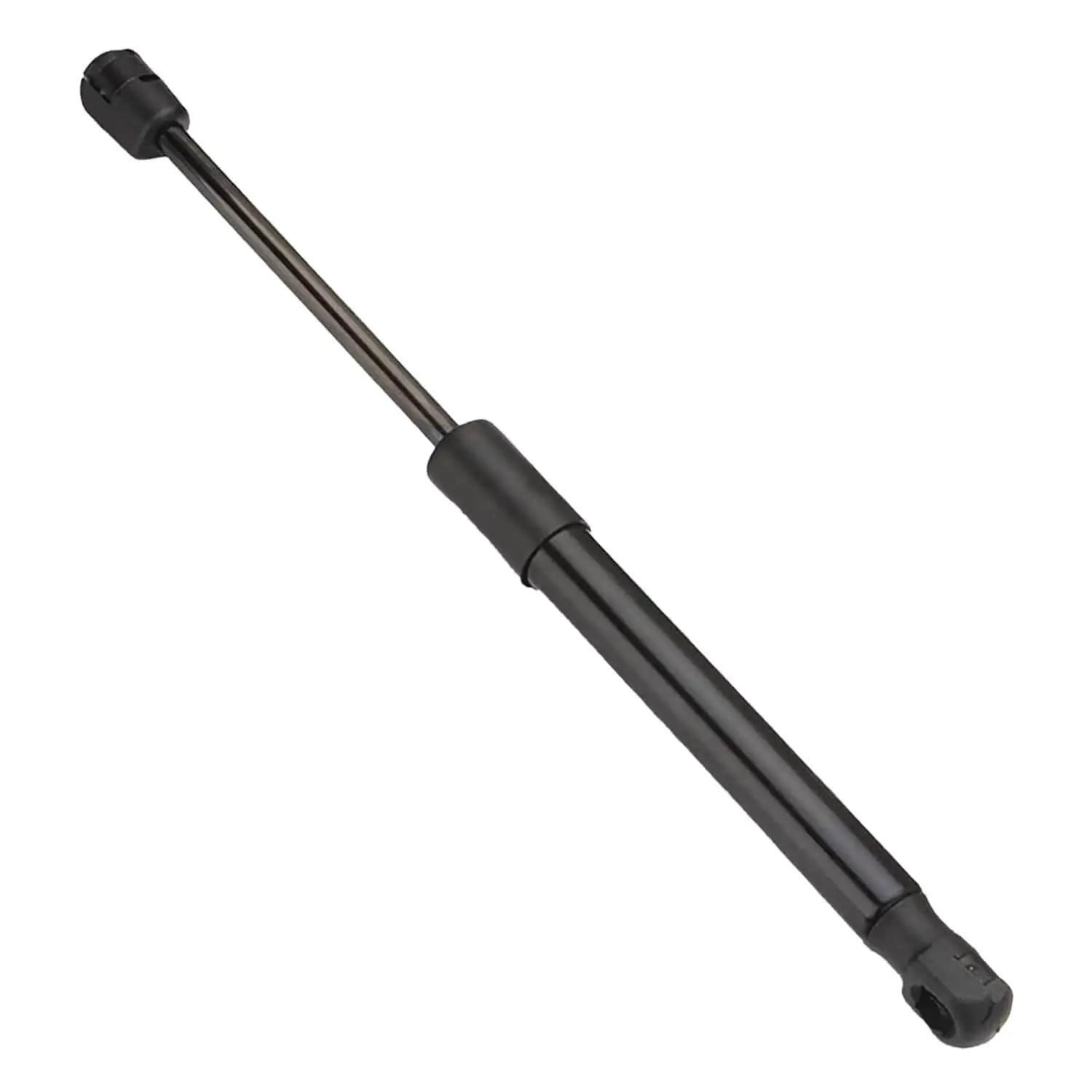
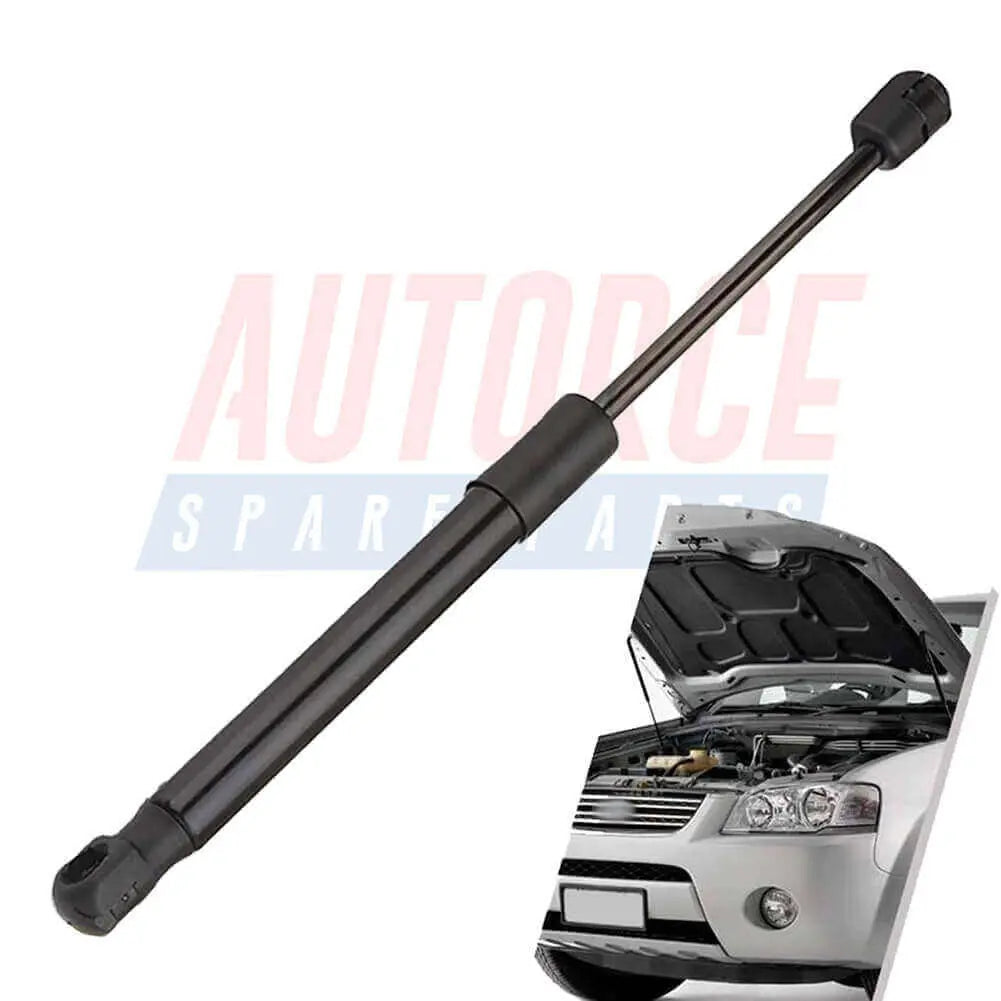
Single Front Bonnet Hood Gas Strut For Mini R55 R56 R57 R58 R59 700N 51237148864
Sale price£12.90
No reviews
In stock

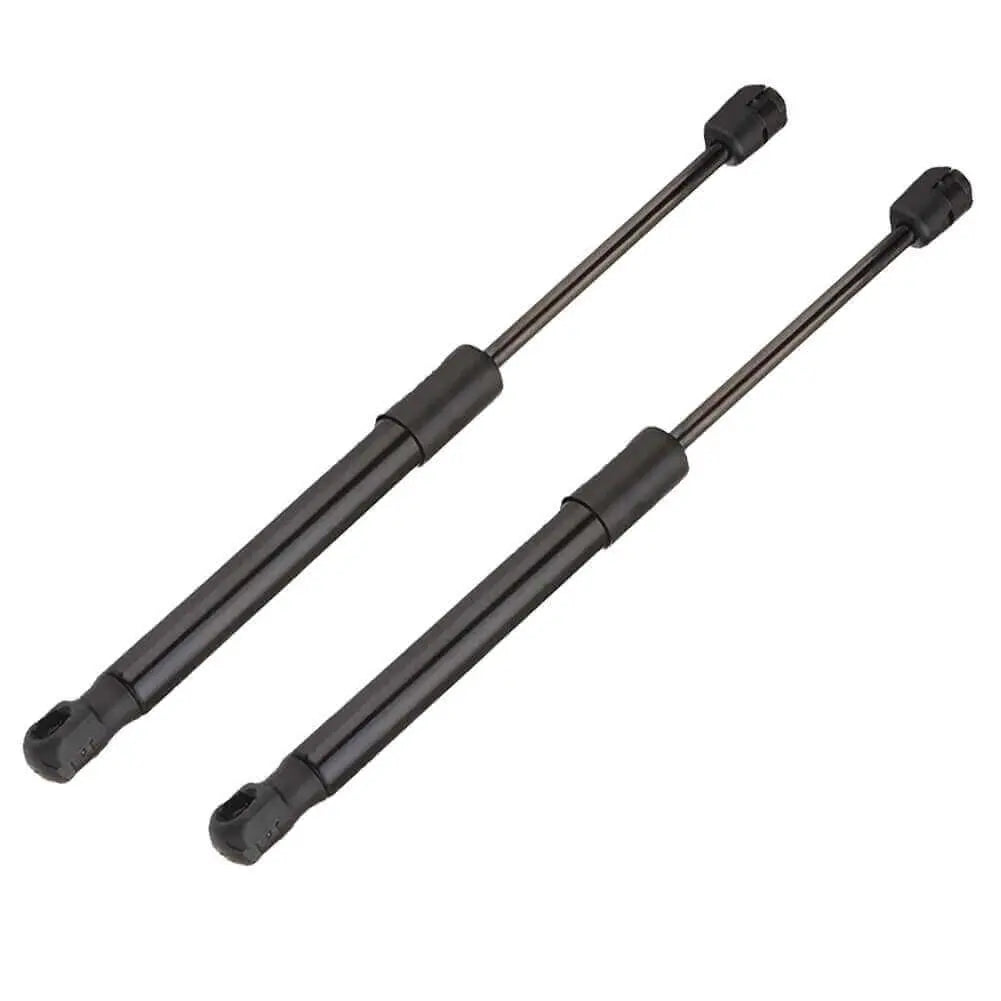
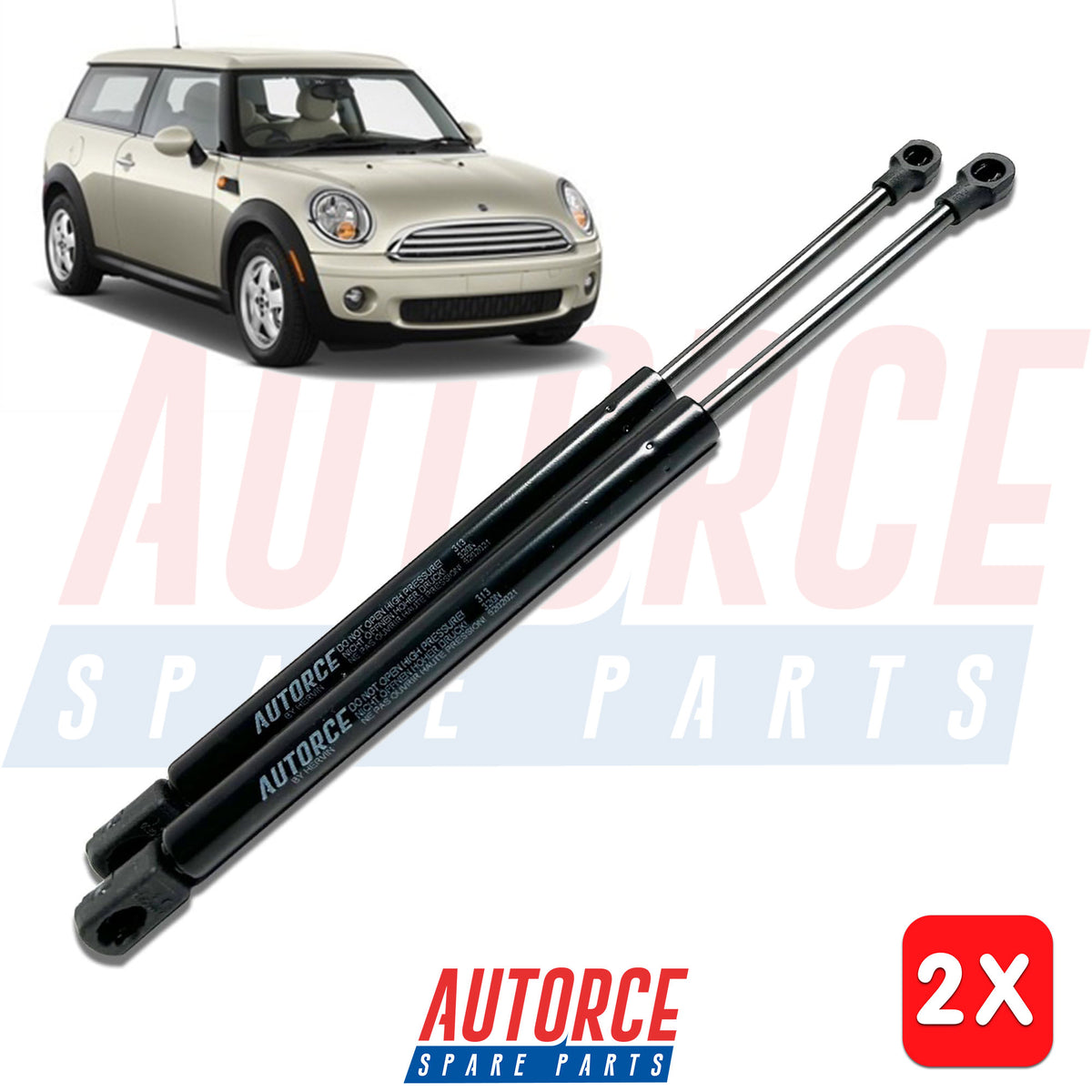
Pair Front Bonnet Hood Gas Struts For Mini R55 R56 R57 R58 R59 700N 51237148864
Sale price£14.90
No reviews
In stock

Pair Rear Tailgate Boot Gas Struts for Mini Clubman R55 160N 51247167442
Sale price£16.90
No reviews
In stock

Pair Front Bonnet Hood Gas Struts For Audi TT Coupe 8J3 440N 8J0823359C
Sale price£17.90
No reviews
In stock

Single Front Bonnet Hood Gas Strut For Audi A4 A5 B8 340N 8T0823359
Sale price£15.90
No reviews
In stock

Pair Rear Tailgate Boot Gas Struts for Skoda Octavia MK3 575N 5E5827550
Sale price£19.90
No reviews
In stock

Pair Front Bonnet Hood Gas Struts For Land Rover Freelander 2 410N LR001773
Sale price£17.90
No reviews
In stock

Pair Rear Tailgate Boot Gas Struts for Audi A3 Hatchback 8P1 490N 8P3827552A
Sale price£15.90
No reviews
In stock

Pair Rear Tailgate Boot Gas Struts for VW Passat B6 Saloon 390N 3C5827550A
Sale price£19.90
No reviews
In stock

Pair Rear Tailgate Boot Gas Struts for Ford S-Max MK1 WA6 670N 1434296
Sale price£18.90
No reviews
In stock

Pair Rear Tailgate Boot Gas Struts for Mercedes Benz W639 755N 6399800164
Sale price£19.90
No reviews
In stock

Single Front Bonnet Hood Gas Strut For Volvo XC70 S80 V70 450N 30649516
Sale price£14.90
No reviews
In stock

Pair Front Bonnet Hood Gas Struts For Volvo XC70 S80 V70 450N 30649516
Sale price£16.90
No reviews
In stock

Single Front Bonnet Hood Gas Strut For Audi A6 C6 180N 4F0823359
Sale price£15.90
No reviews
Sold out

Pair Rear Tailgate Boot Gas Struts for Range Rover Sport L320 755N 6H32406A10BB
Sale price£19.90
No reviews
In stock

Pair Rear Tailgate Boot Gas Struts for Toyota Auris E15 Hatchback 455N 6895002091
Sale price£24.90
No reviews
In stock

Pair Rear Tailgate Boot Gas Struts for Vauxhall Opel Corsa D Hatchback 245N 13182309
Sale price£16.90
No reviews
In stock

Pair Rear Tailgate Boot Gas Struts for Citroen C4 Grand Picasso 645N 8731.P0
Sale price£16.45
No reviews
In stock

Pair Rear Tailgate Boot Gas Struts for Honda Civic MK7 360N 74820S5SE01
Sale price£16.90
No reviews
In stock

Pair Rear Tailgate Boot Gas Struts for Seat Leon MK2 Hatchback 1P1 320N 1P0827550
Sale price£14.90
No reviews
In stock

Pair Rear Tailgate Boot Gas Struts for Citroen C4 MK1 Picasso UD 610N 8731P2
Sale price£21.90
No reviews
In stock

Pair Rear Tailgate Boot Gas Struts for Peugeot 206 SW 2E/K 535N 8731G5
Sale price£17.90
No reviews
Sold out

Pair Rear Tailgate Boot Gas Struts for Renault Trafic MK2 MK3 Bus Box 750N 8200162697
Sale price£18.90
No reviews
In stock

Pair Rear Tailgate Boot Gas Struts for Nissan Primastar NV300 X83 X82 750N 9045100QAA
Sale price£18.90
No reviews
In stock
Filters (0)